
Skin Care
Skincare is the practice of maintaining skin health, protecting its natural barrier, and addressing specific concerns like acne, aging, and scarring. Common skin issues include whiteheads, blackheads, pimples, cysts, post-acne marks, redness, and inflamed patches, most of which stem from a shared set of underlying causes. Retinoids, a group of vitamin A derivatives, are among the most well-studied solutions for these concerns: they speed up skin cell renewal, clear clogged pores, and reduce visible signs of aging. This category covers three core retinoid options: tretinoin, adapalene, and isotretinoin, each suited to different skin concerns and severity levels Read More

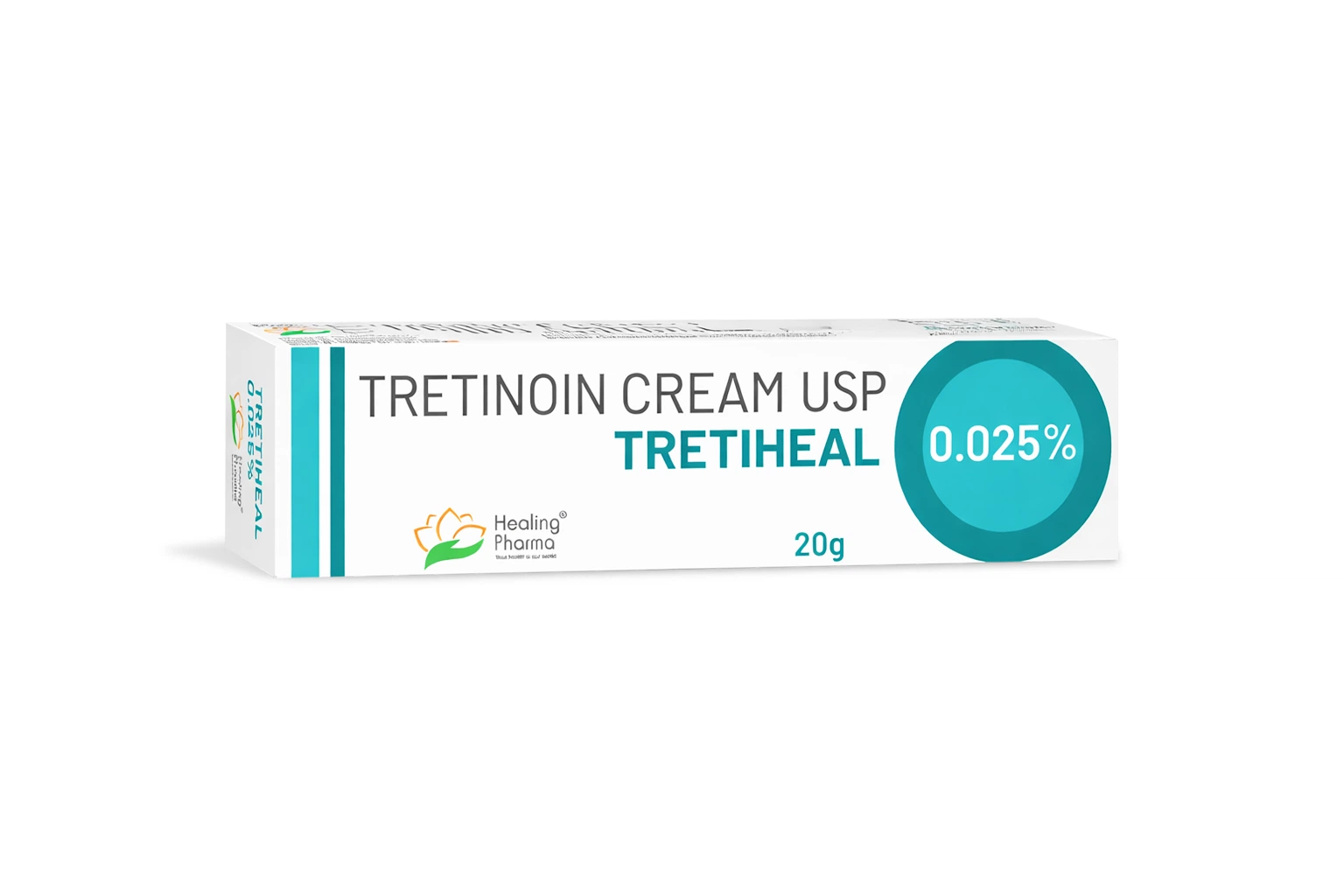
Tretinoin Cream Tretiheal 0.025%
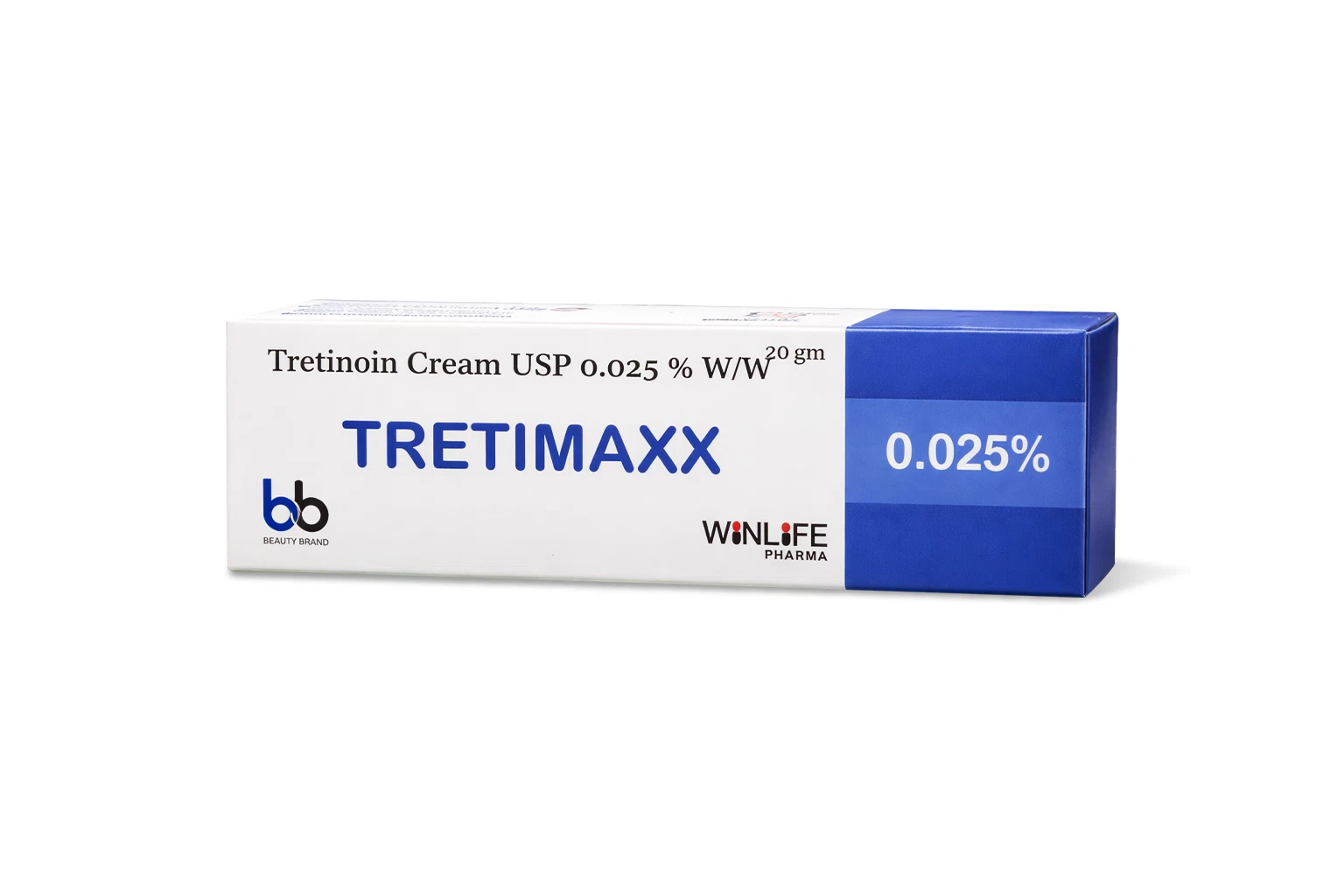
$33.00Rated 4.00 out of 5Shop Now This product has multiple variants. The options may be chosen on the product pageTretimaxx Cream 0.025%
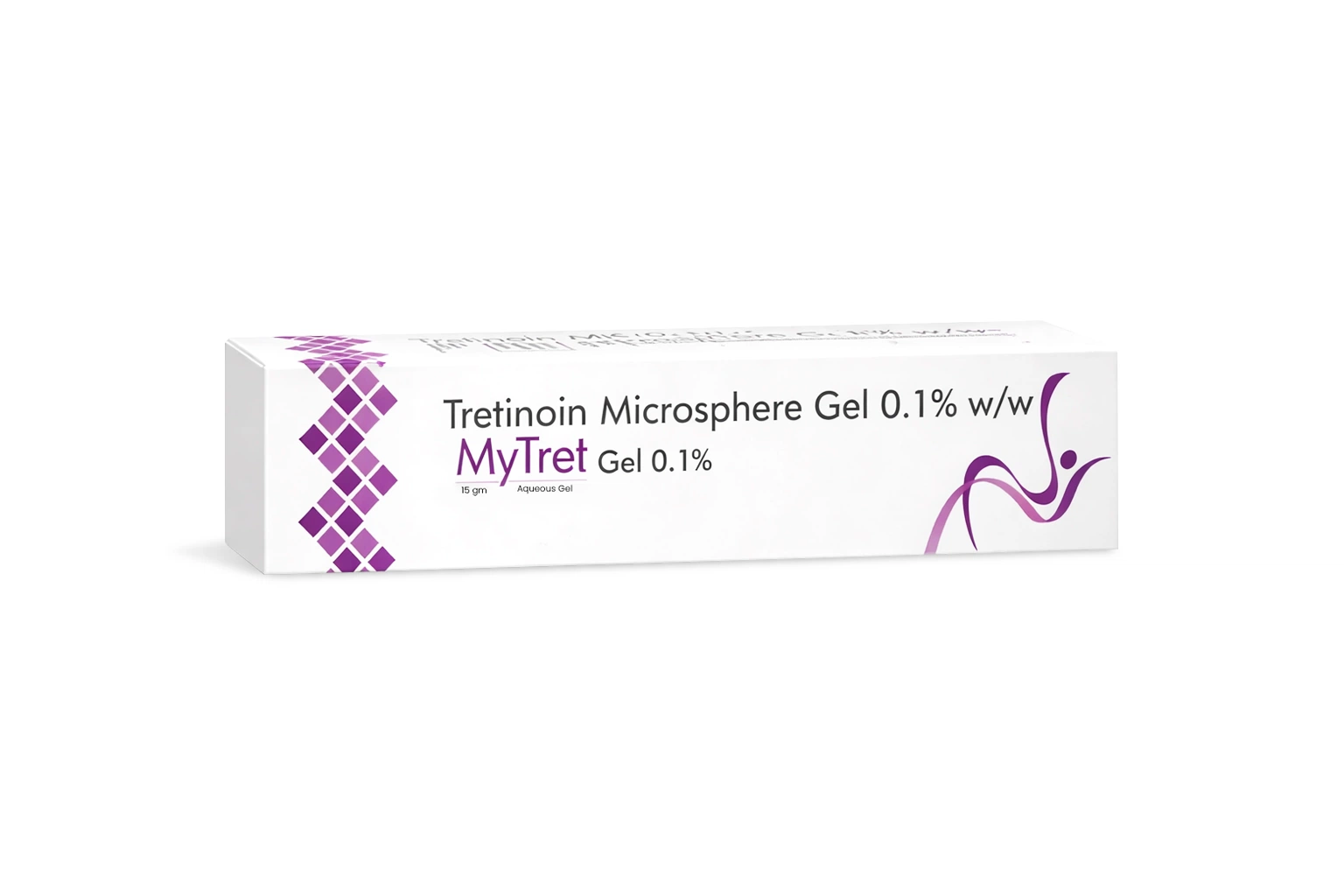
$33.00Rated 4.50 out of 5Shop Now This product has multiple variants. The options may be chosen on the product pageTretinoin Microsphere Gel 0.1%
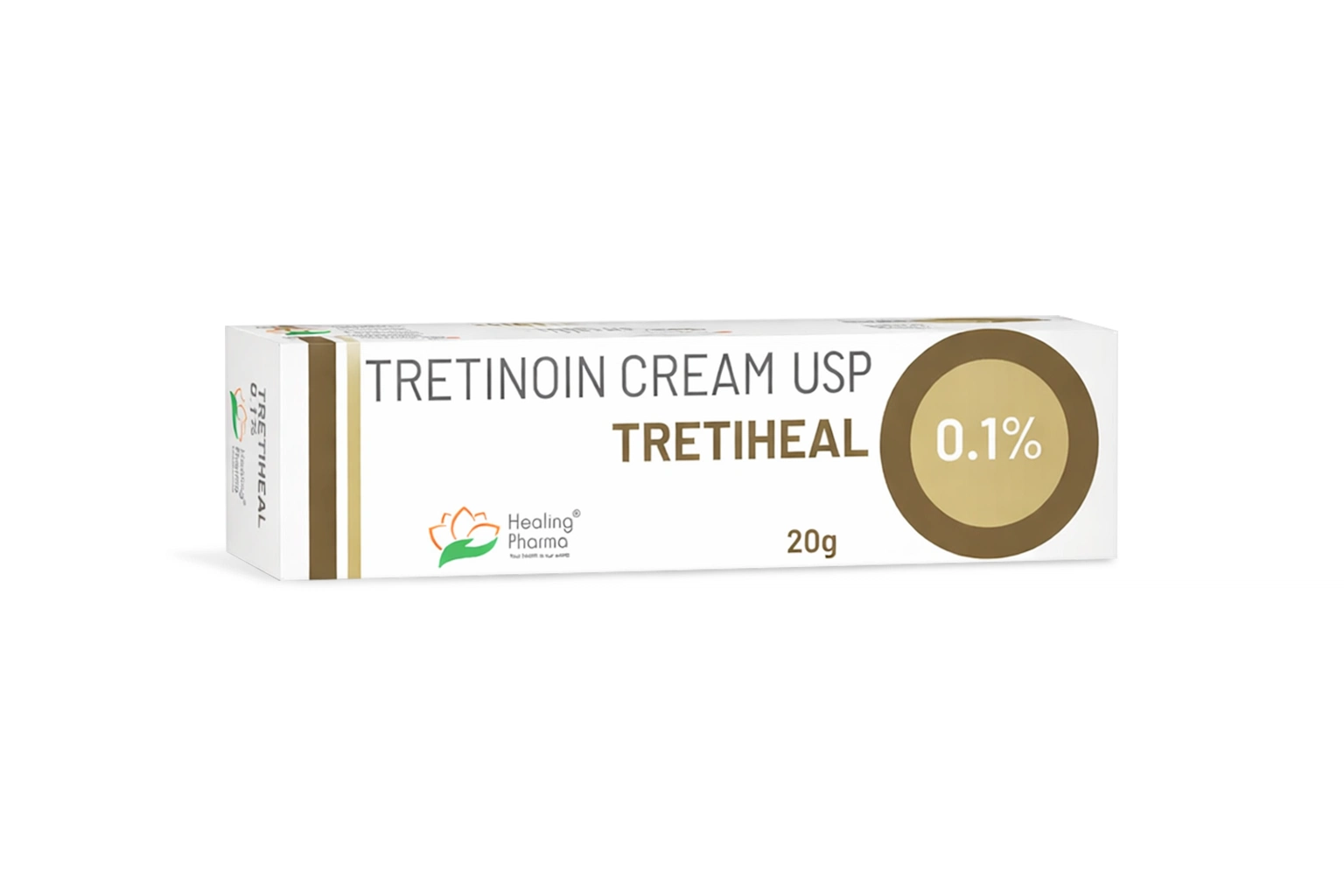
$33.00Rated 5.00 out of 5Shop Now This product has multiple variants. The options may be chosen on the product pageTretinoin Cream 0.1% Tretiheal
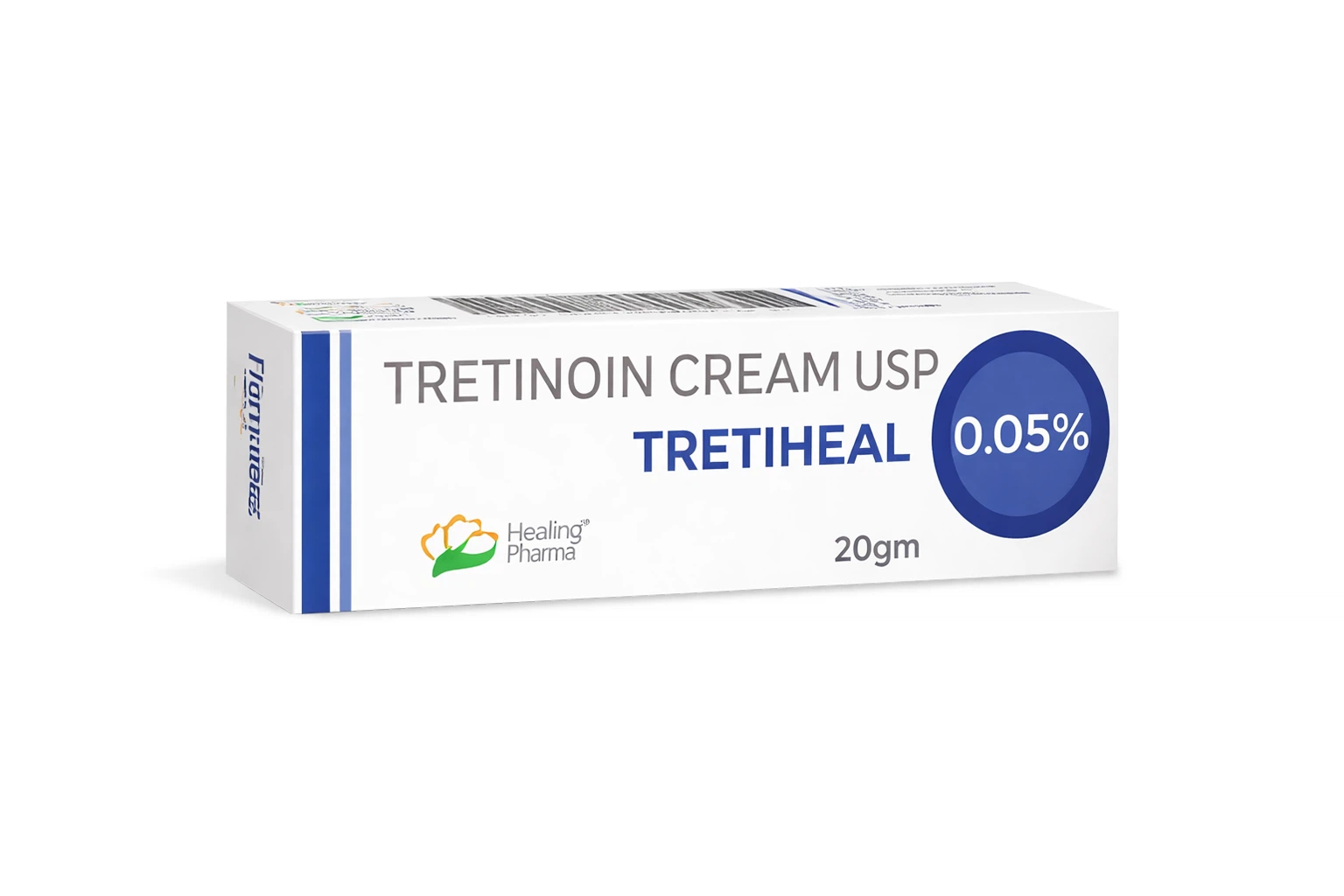
$19.00Rated 5.00 out of 5Shop Now This product has multiple variants. The options may be chosen on the product pageTretiheal Cream 0.05% 20g – Powerful Retinoid
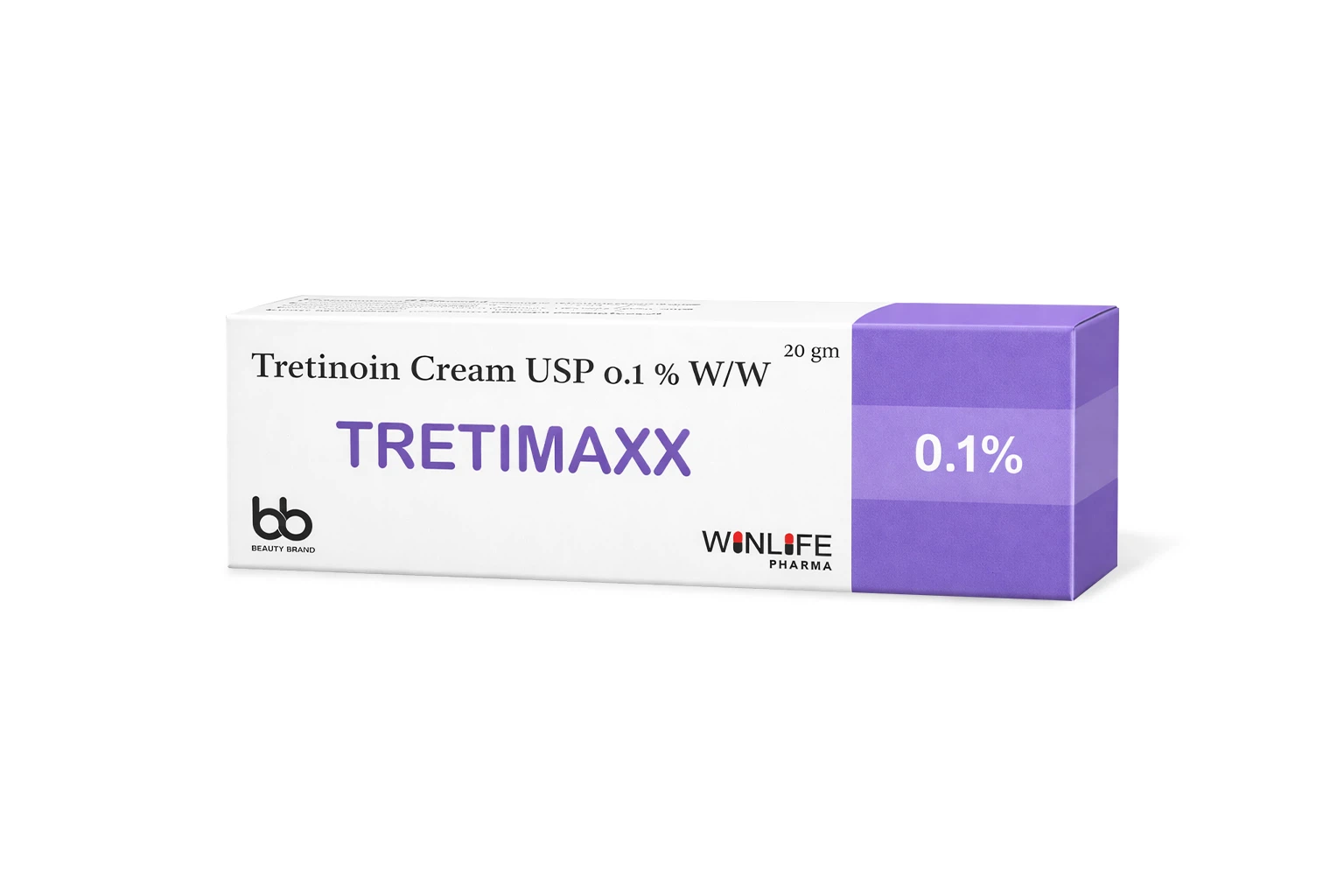
$33.00Rated 5.00 out of 5Shop Now This product has multiple variants. The options may be chosen on the product pageTRETIMAXX CREAM 0.1%
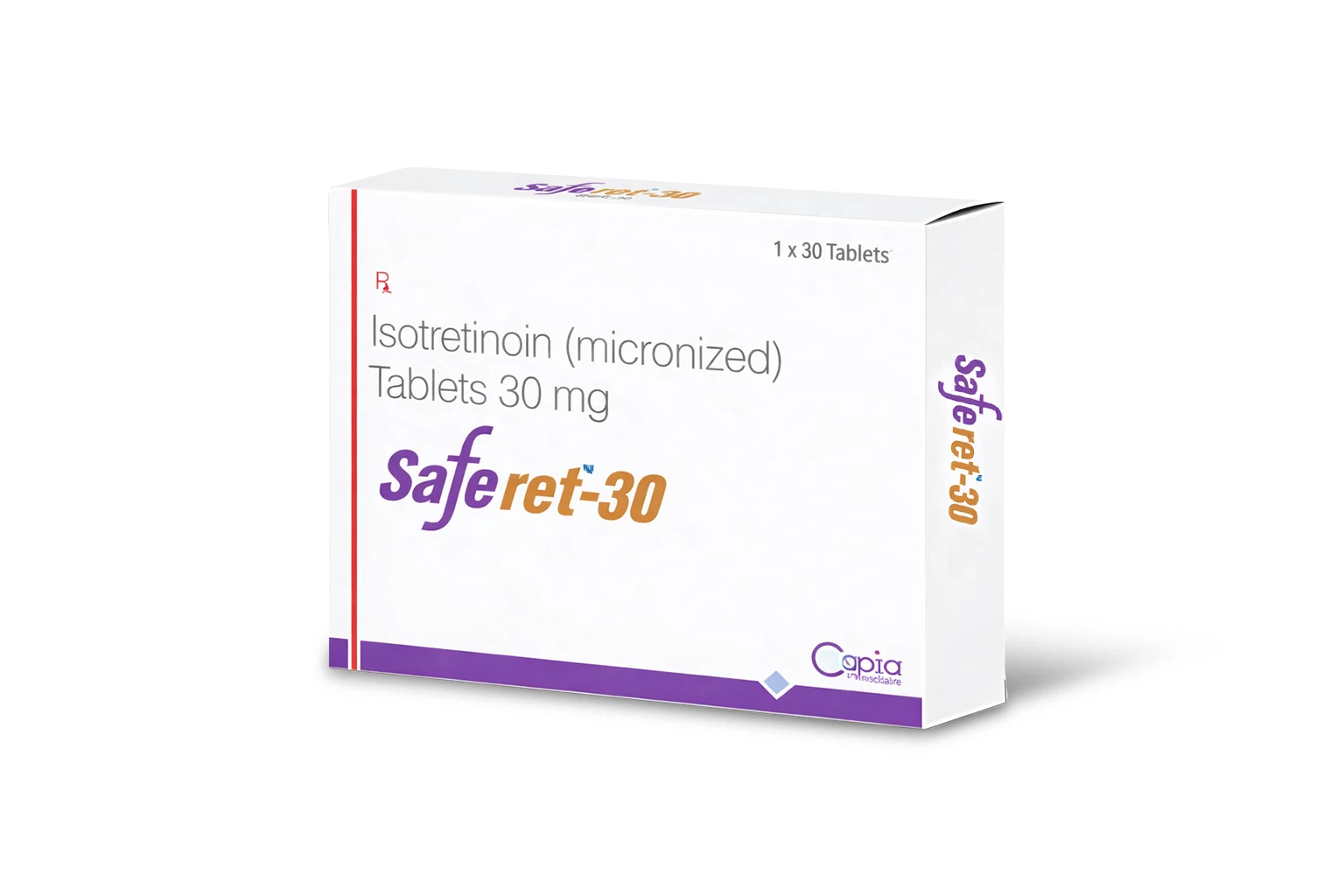
$29.00Rated 5.00 out of 5Shop Now This product has multiple variants. The options may be chosen on the product pageSaferet 30 Mg Capsule
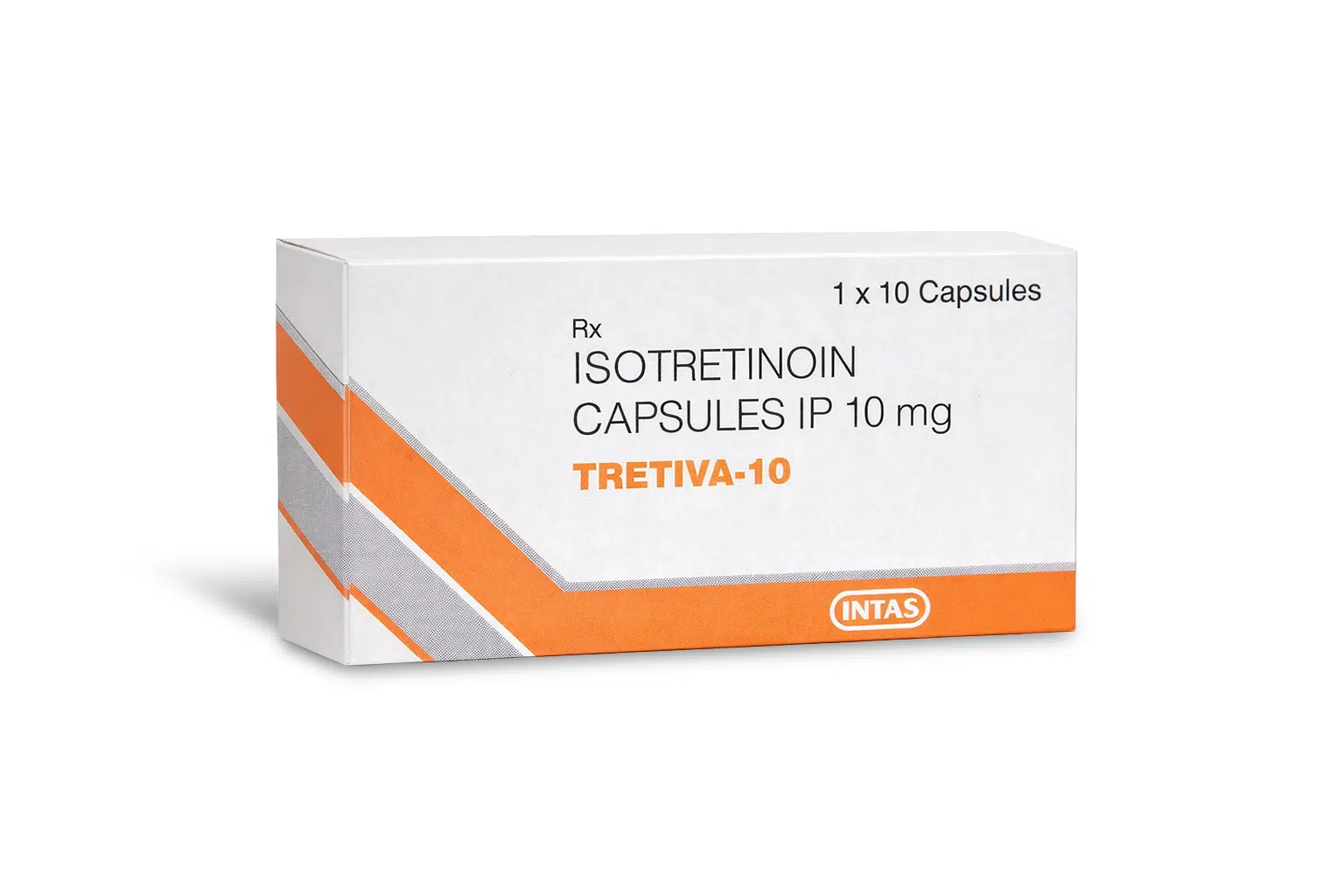
$28.00 – $86.00Price range: $28.00 through $86.00Rated 4.00 out of 5Shop Now This product has multiple variants. The options may be chosen on the product pageTretiva 10 Mg Capsule
$21.00 – $63.00Price range: $21.00 through $63.00Rated 4.00 out of 5Shop Now This product has multiple variants. The options may be chosen on the product pageIsotroin 20 mg Capsule
$24.00 – $72.00Price range: $24.00 through $72.00Rated 4.00 out of 5Shop Now This product has multiple variants. The options may be chosen on the product pageAccufine 30 Mg Capsule
$42.00 – $168.00Price range: $42.00 through $168.00Rated 4.00 out of 5Shop Now This product has multiple variants. The options may be chosen on the product pageAccufine 20 Mg Capsule
$65.00 – $195.00Price range: $65.00 through $195.00Rated 4.00 out of 5Shop Now This product has multiple variants. The options may be chosen on the product pageIsotretinoin Mepha Solucaps 10 mg
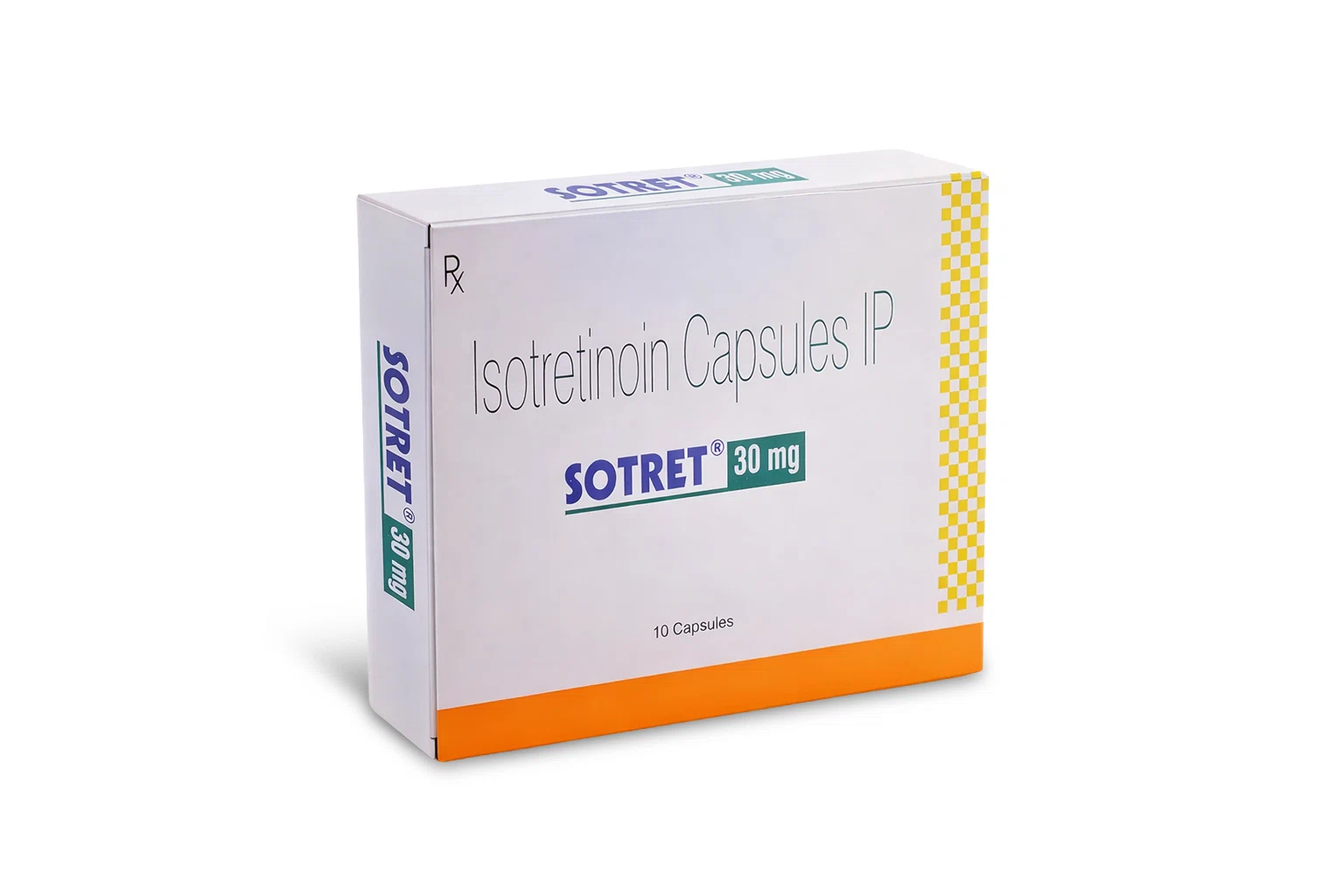
$38.00 – $126.00Price range: $38.00 through $126.00Rated 4.00 out of 5Shop Now This product has multiple variants. The options may be chosen on the product pageSotret 30 Mg Capsule
$28.00 – $83.00Price range: $28.00 through $83.00Rated 5.00 out of 5Shop Now This product has multiple variants. The options may be chosen on the product page
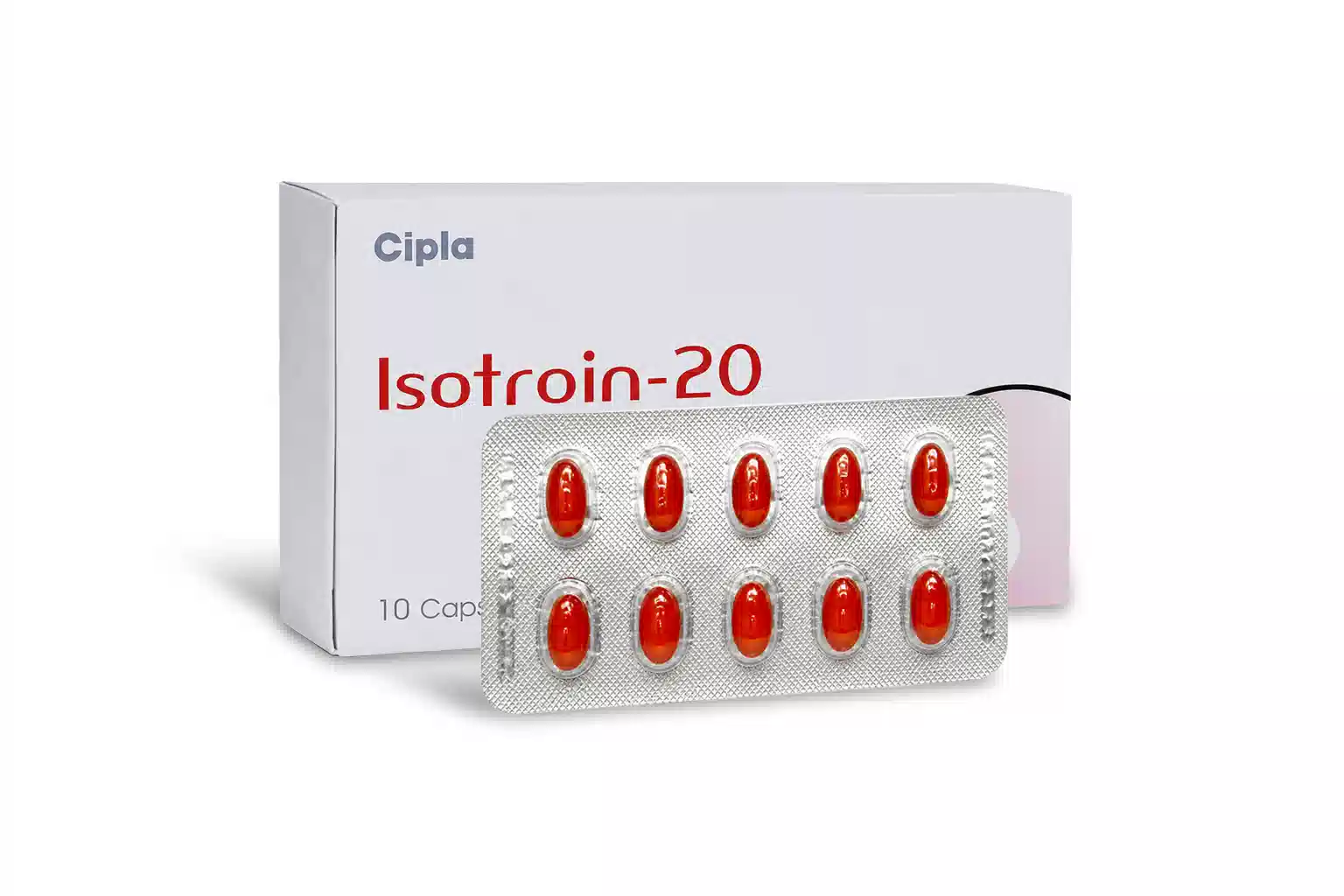
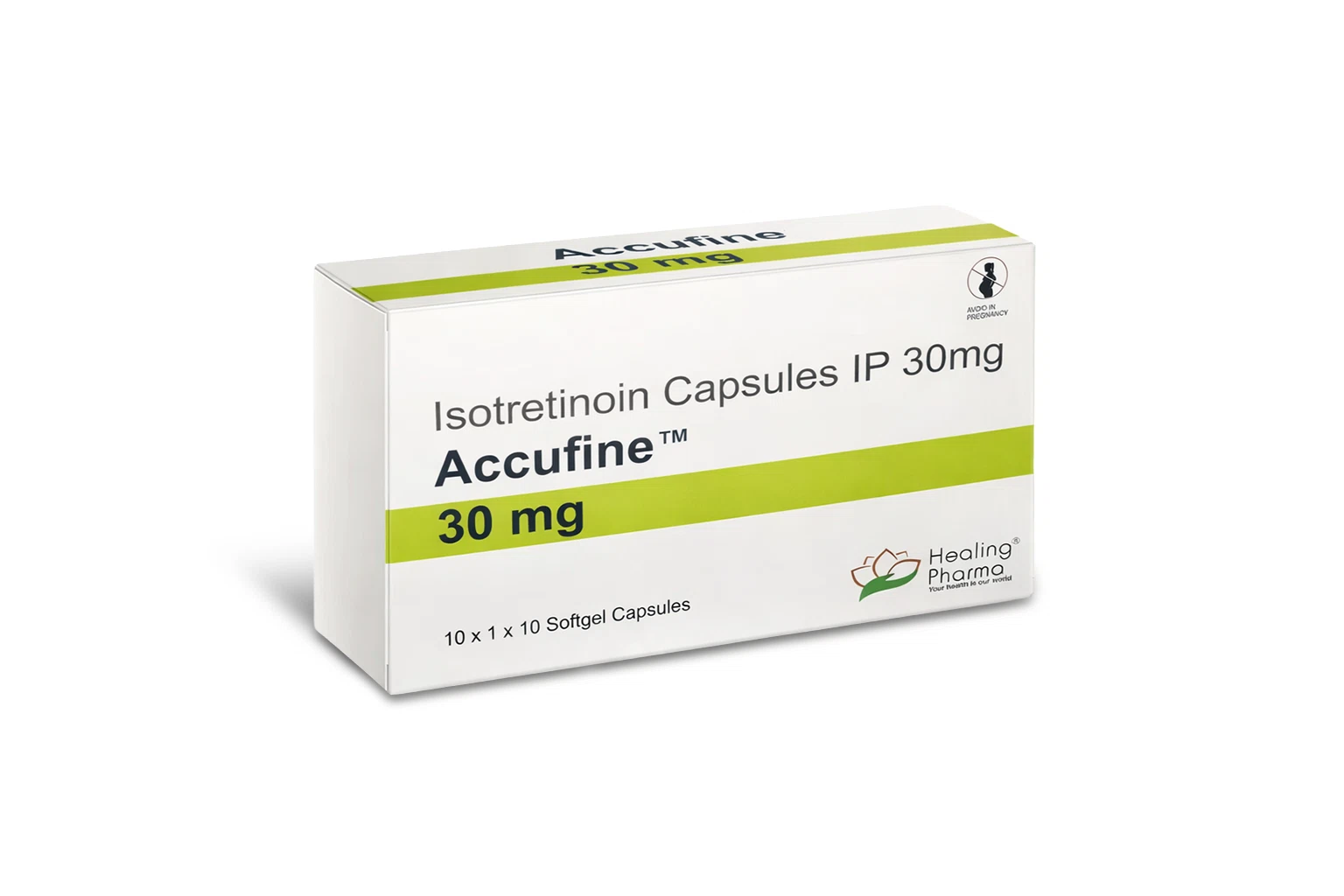
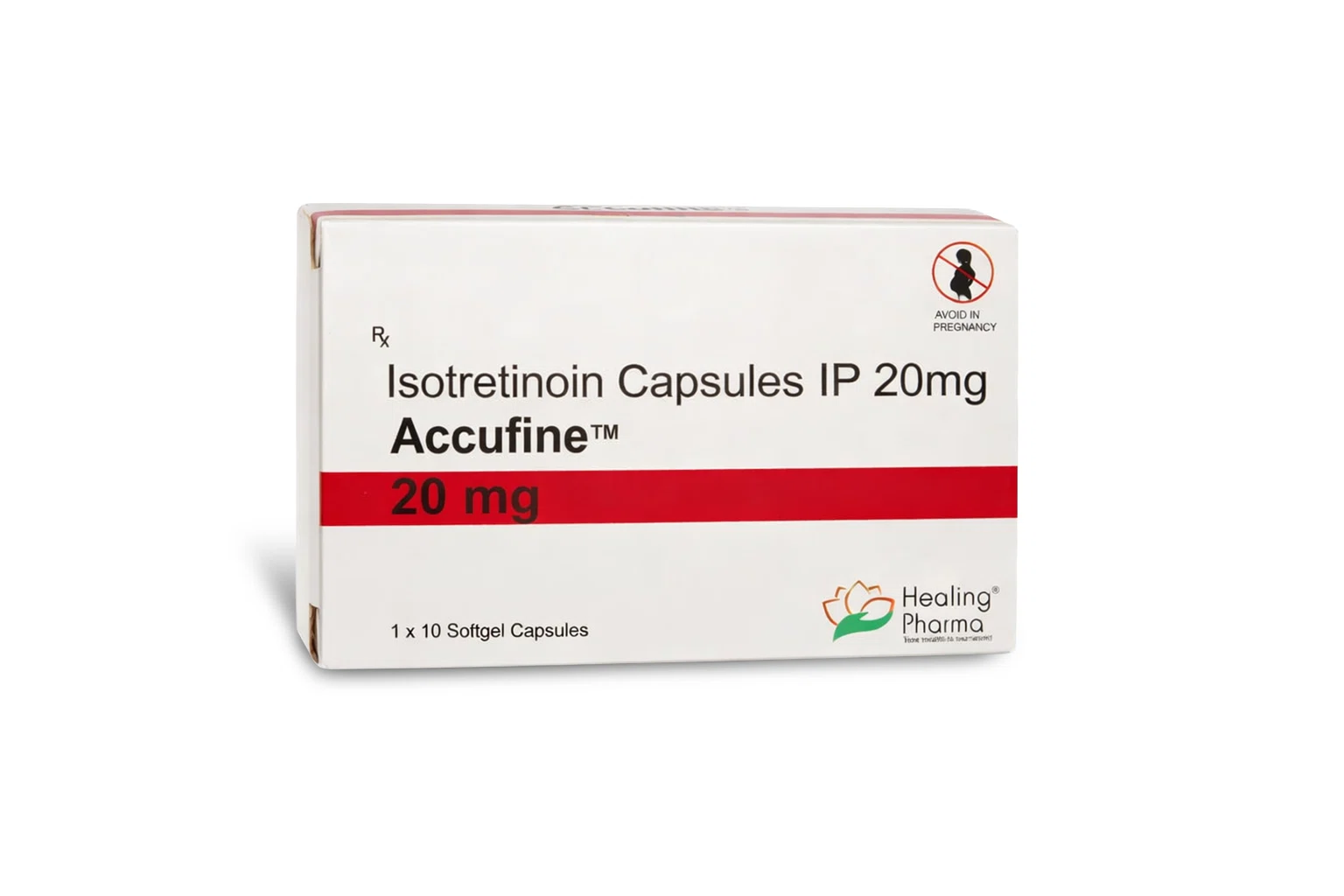
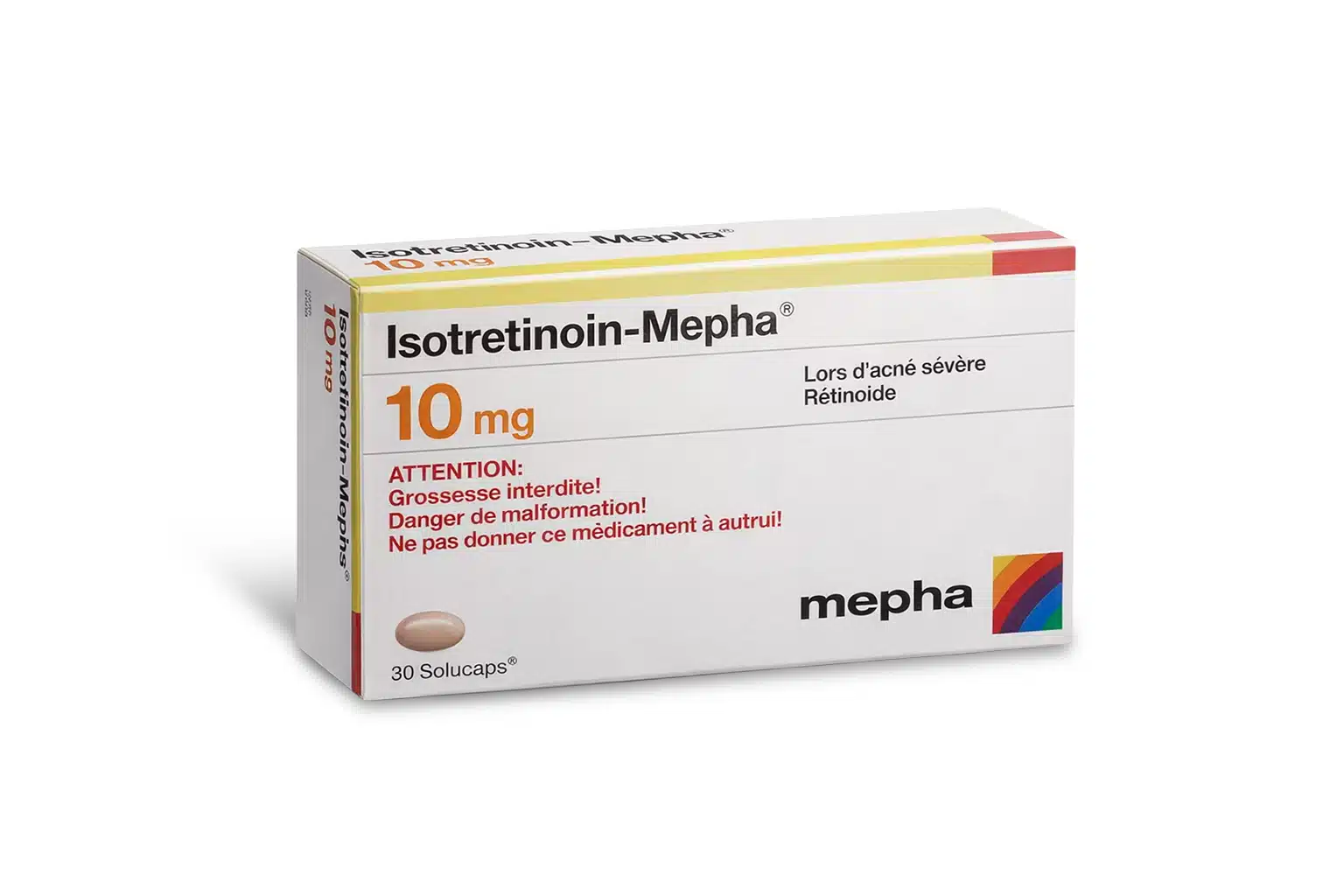
What Causes Acne and Other Skin Issues?
Acne develops when hair follicles become clogged with excess oil and dead skin cells, allowing acne-causing bacteria to multiply and trigger inflammation. Most cases involve a combination of the following factors.
| Cause | How It Contributes to Acne |
| Excess sebum production | Oil glands produce more oil than the skin needs, increasing the chance of clogged pores |
| Clogged pores | Dead skin cells that don’t shed normally trap oil and debris, forming blackheads or whiteheads |
| Acne bacteria (C. acnes) | Multiplies rapidly once pores are blocked, driving redness, swelling, and inflammation |
| Hormones | Androgens increase oil gland activity, which is why acne often spikes during puberty, before menstrual periods, or with conditions like PCOS |
| Other triggers | Genetics, chronic stress, certain medications, and comedogenic (pore-clogging) cosmetic products can worsen existing acne |
What Do Tretinoin and Isotretinoin Treat?
Tretinoin is most often recommended for acne, acne scarring, fine lines, and sun-damaged skin. It speeds up skin cell turnover, helping unclog pores and fade dark spots over time. It’s typically the first-line topical treatment recommended for mild to moderate acne.
Isotretinoin is used for severe nodular or cystic acne that hasn’t responded to other treatments, including antibiotics or topical retinoids. Unlike topical options, it works systemically, addressing acne at its source rather than just on the skin’s surface, which is why it’s often considered for long-term or resistant cases.