
Tretinoin
Tretinoin is a topical retinoid derived from vitamin A and is commonly used to treat acne vulgaris. It helps improve acne by promoting skin cell turnover and reducing clogged pores. Tretinoin is available in different formulations, including creams and gels, with strengths such as 0.025%, 0.05%, and 0.1%. When used as directed by a healthcare professional, it may help manage blackheads, whiteheads, and other acne lesions. Tretinoin is applied directly to the affected skin and is generally used as part of a consistent skincare treatment plan. Ivercares offers a range of tretinoin-containing medicines in different strengths and formulations. Explore our range of tretinoin products and learn more about their composition, uses, precautions, and other important information…. Read More

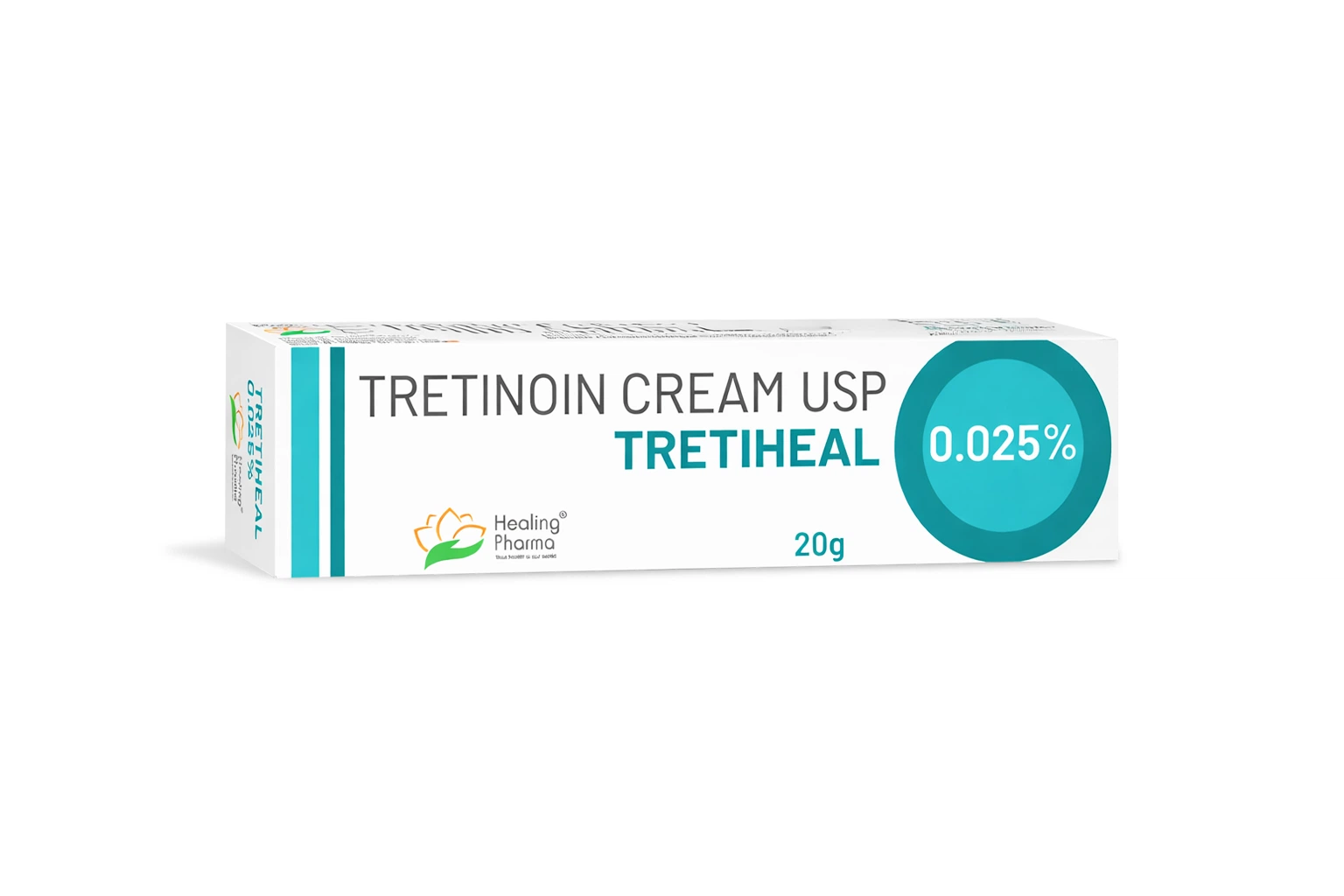
Tretinoin Cream Tretiheal 0.025%
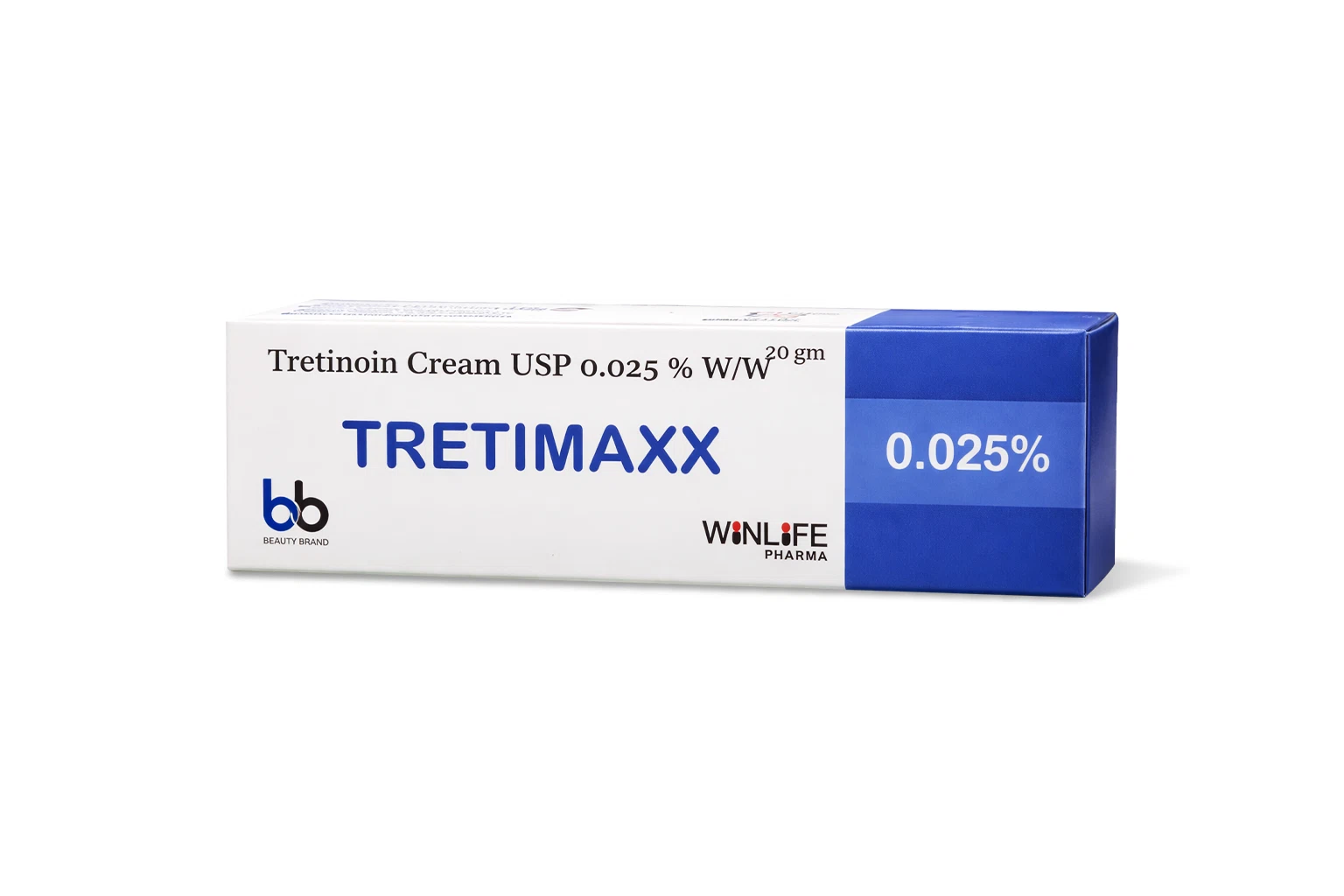
$33.00Rated 4.00 out of 5Shop Now This product has multiple variants. The options may be chosen on the product pageTretimaxx Cream 0.025%
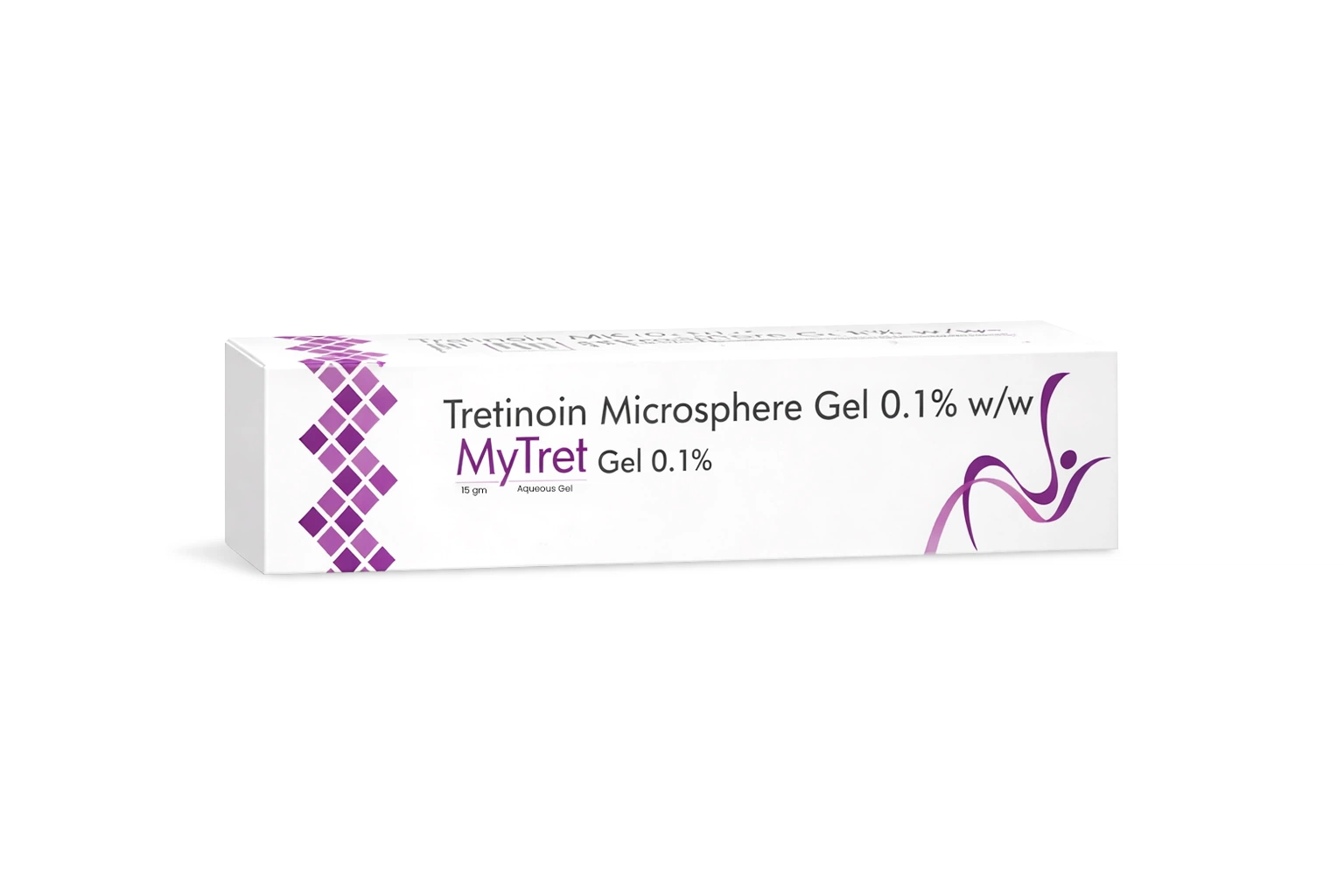
$33.00Rated 4.50 out of 5Shop Now This product has multiple variants. The options may be chosen on the product pageTretinoin Microsphere Gel 0.1%
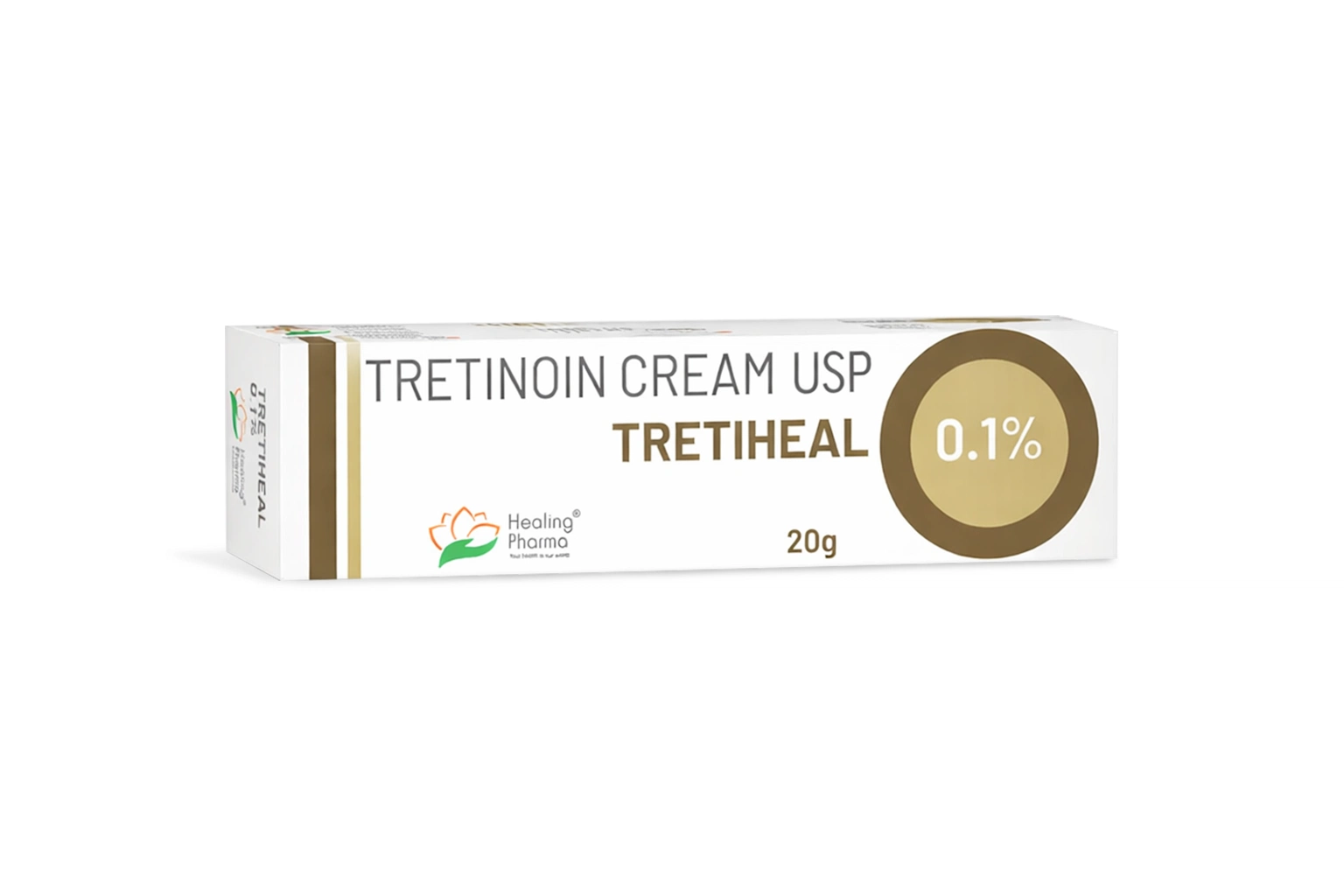
$33.00Rated 5.00 out of 5Shop Now This product has multiple variants. The options may be chosen on the product pageTretinoin Cream 0.1% Tretiheal
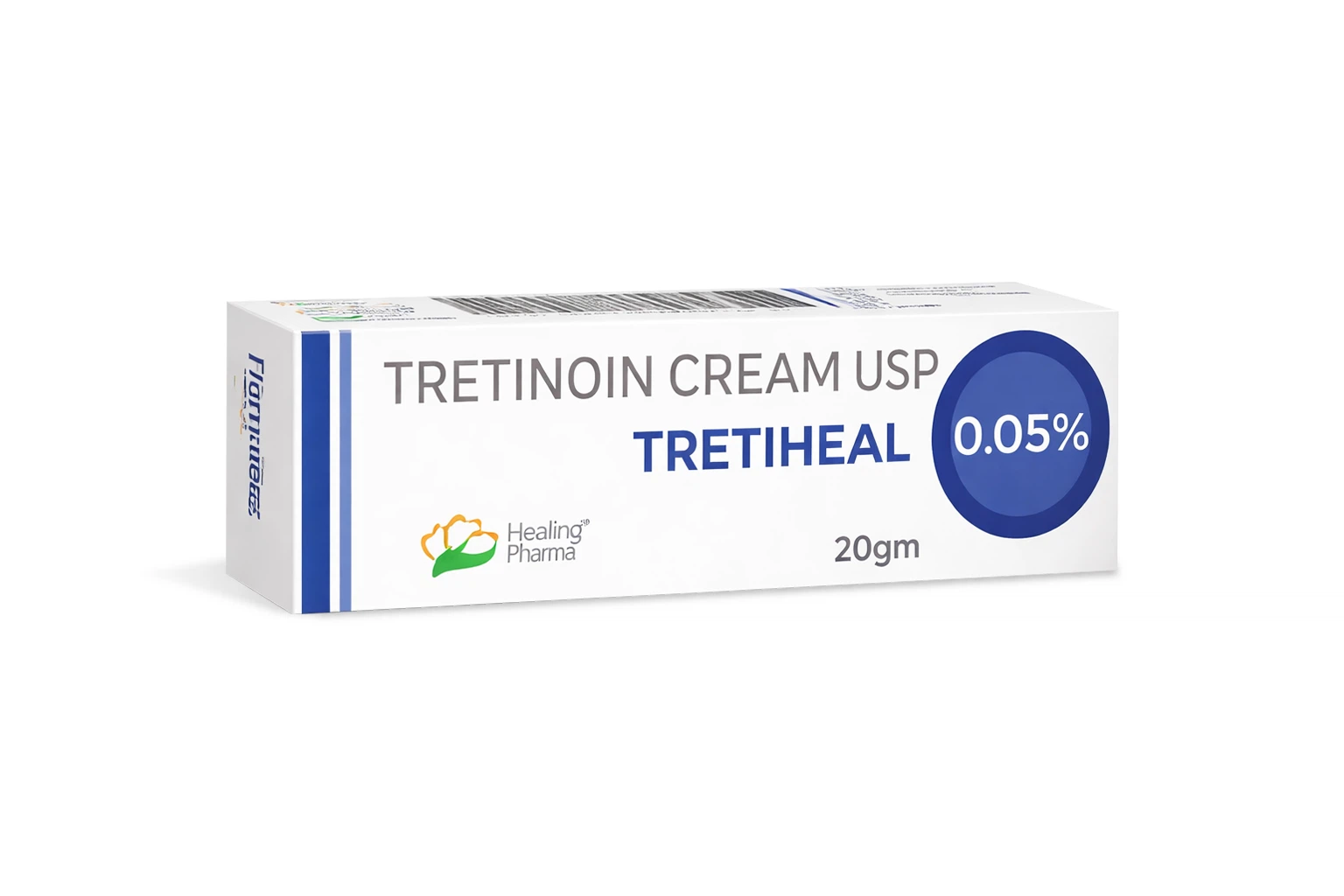
$19.00Rated 5.00 out of 5Shop Now This product has multiple variants. The options may be chosen on the product pageTretiheal Cream 0.05% 20g – Powerful Retinoid
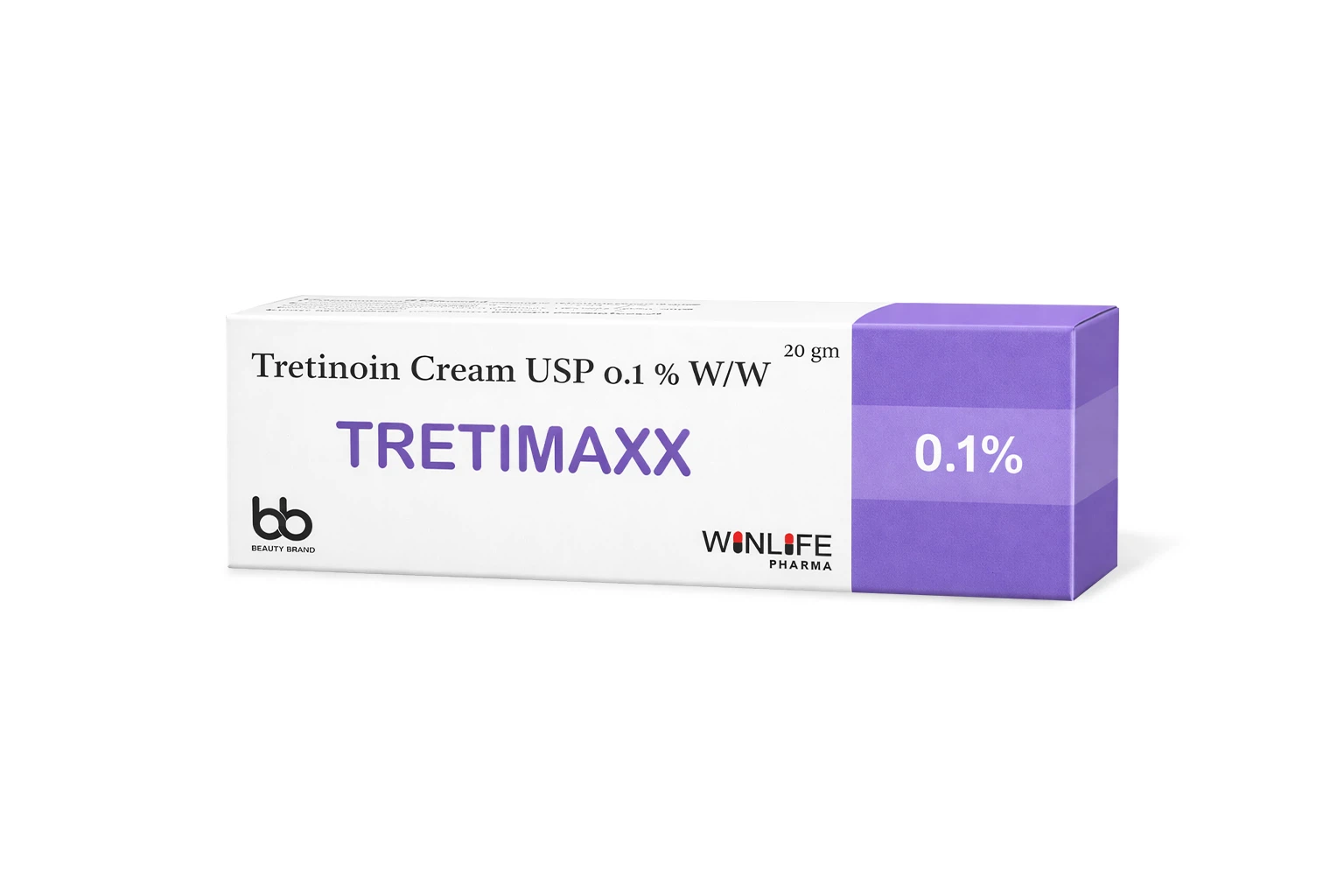
$33.00Rated 5.00 out of 5Shop Now This product has multiple variants. The options may be chosen on the product pageTRETIMAXX CREAM 0.1%
$29.00Rated 5.00 out of 5Shop Now This product has multiple variants. The options may be chosen on the product page
Tretinoin medicines
Explore our range of tretinoin medicines available in different strengths and formulations. Tretinoin is a topical retinoid commonly used in the treatment of acne vulgaris. Browse our selection of tretinoin creams and microsphere gels to find product information, including composition, strength, uses, and precautions. Select a product to learn more about its details.
Products Available Are:
- Tretinoin Cream Tretiheal 0.025%
- Tretimaxx Cream 0.025%
- Tretinoin Microsphere Gel 0.1%
- Tretinoin Cream 0.1% Tretiheal
- Tretiheal Cream 0.05% 20 g – Powerful Retinoid
- TRETIMAXX CREAM 0.1%
Explore the available products and select the appropriate strength and formulation according to your healthcare professional’s advice.
What Is Tretinoin Used For?
Tretinoin is primarily used to treat acne vulgaris topically. It may be prescribed to help manage:
- Acne vulgaris, including blackheads and whiteheads.
- Clogged pores and the formation of new acne lesions.
- Mild to moderate acne as part of a prescribed skincare treatment plan.
The appropriate strength and formulation depend on the individual’s skin condition, treatment needs, and response to therapy. Use tretinoin according to the directions provided by a healthcare professional.
How Does Tretinoin Work?
Tretinoin is a topical retinoid that works by increasing skin cell turnover and reducing the cohesiveness of cells within hair follicles. This helps prevent the formation of microcomedones, which are early clogged pores that can develop into acne lesions. By promoting the removal of clogged pores, tretinoin may help improve acne over time. The exact mechanism of its clinical effects is not fully established.
About Isotretinoin
| Feature | Details |
| Drug Class | Topical retinoid |
| Active Ingredient | Tretinoin |
| Therapeutic Use | Topical treatment of acne vulgaris |
| Dosage Form | Cream, gel, or microsphere gel |
| Available Strengths | 0.025%, 0.05%, and 0.1%, depending on product |
| Main Action | Promotes skin cell turnover and helps reduce clogged pores |
Tretinoin is available in different topical formulations and strengths. The appropriate product depends on the individual’s skin condition and treatment plan. Use tretinoin as directed by a healthcare professional.
Safety and Efficacy
- Helps manage acne: Tretinoin is indicated for the topical treatment of acne vulgaris and helps reduce the formation of clogged pores.
- Promotes skin cell turnover: Tretinoin helps prevent microcomedone formation and supports the removal of existing comedones.
- Consistent use is important: Acne may appear worse during the early weeks of treatment, and visible improvement may take several weeks. Continue treatment as directed and follow up with your healthcare professional if needed.
Precautions
- Skin irritation: Tretinoin may cause dryness, redness, peeling, itching, or burning. Use a gentle cleanser and moisturizer, and follow your healthcare professional’s instructions if irritation becomes severe.
- Sun exposure: Tretinoin can increase skin sensitivity to sunlight. Minimize unnecessary UV exposure, use sunscreen, and avoid applying it to sunburned skin.
- Pregnancy and other products: Tell your healthcare professional if you are pregnant, planning pregnancy, or breastfeeding. Inform them about other skincare products and medicines you use, and avoid applying tretinoin to the eyes, lips, or mucous membranes.