
Antifungal
Fungal infection (mycosis) is an infection caused by yeast and mold by attacking fungal-specific structures. This may occur when fungi invade and multiply in or on body tissue. As fungi are eukaryotic organism so they may have cell walls made up of chitin and ergosterol in their membranes, unlike bacteria or human cells. This the reason antifungal medications works without harming or hurting humans. Antifungal are the medication that kills or may prevent fungal infection.
Antifungals may target parts of fungal cells that human cells don’t have. Antifungal medications like Itraconazole, Fluconazole, Voriconazole, Posaconazole, Ketoconazole, Clotrimazole and Miconazole are used in dealing with several fungal infections. Read More

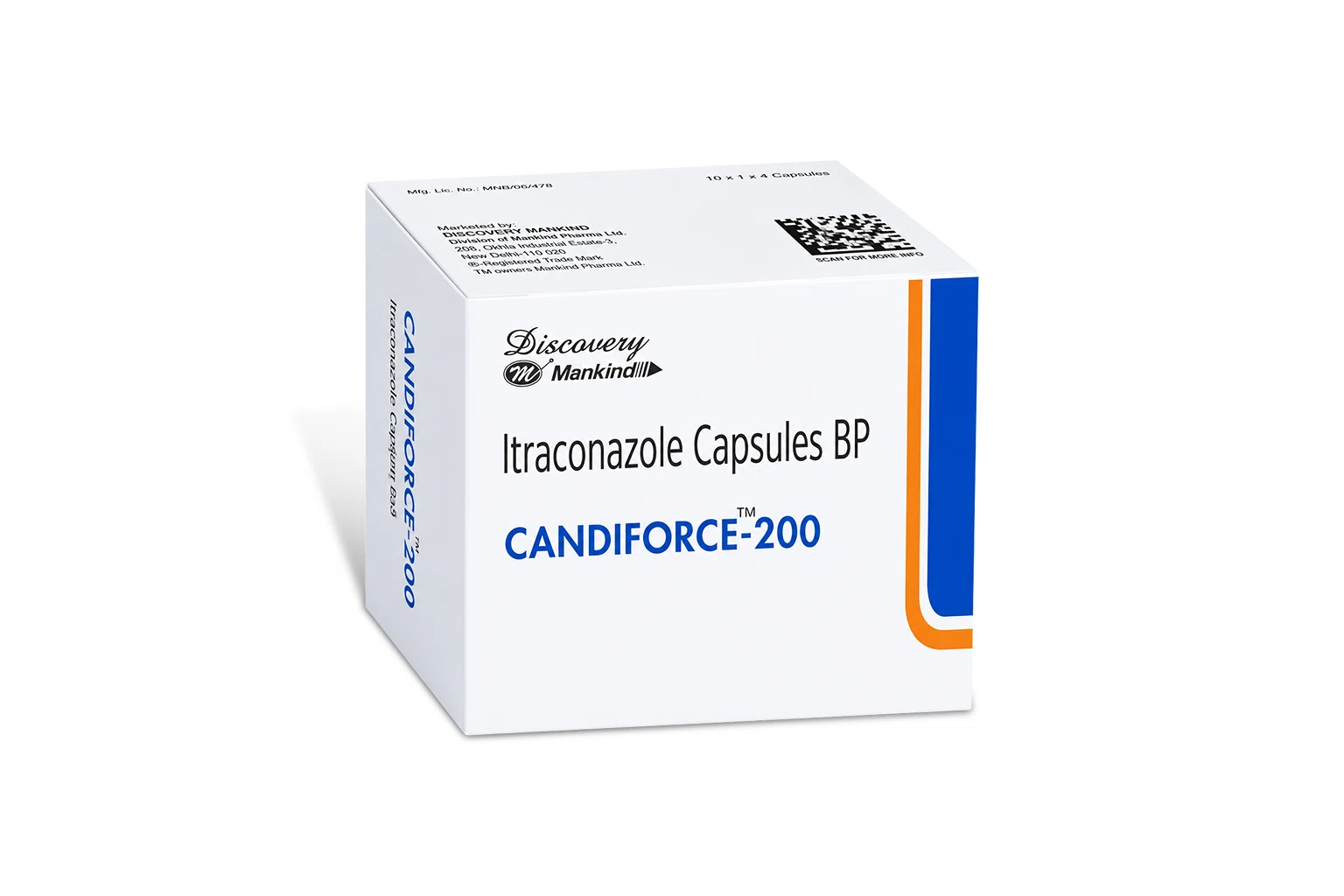
Candiforce 200 mg Capsule
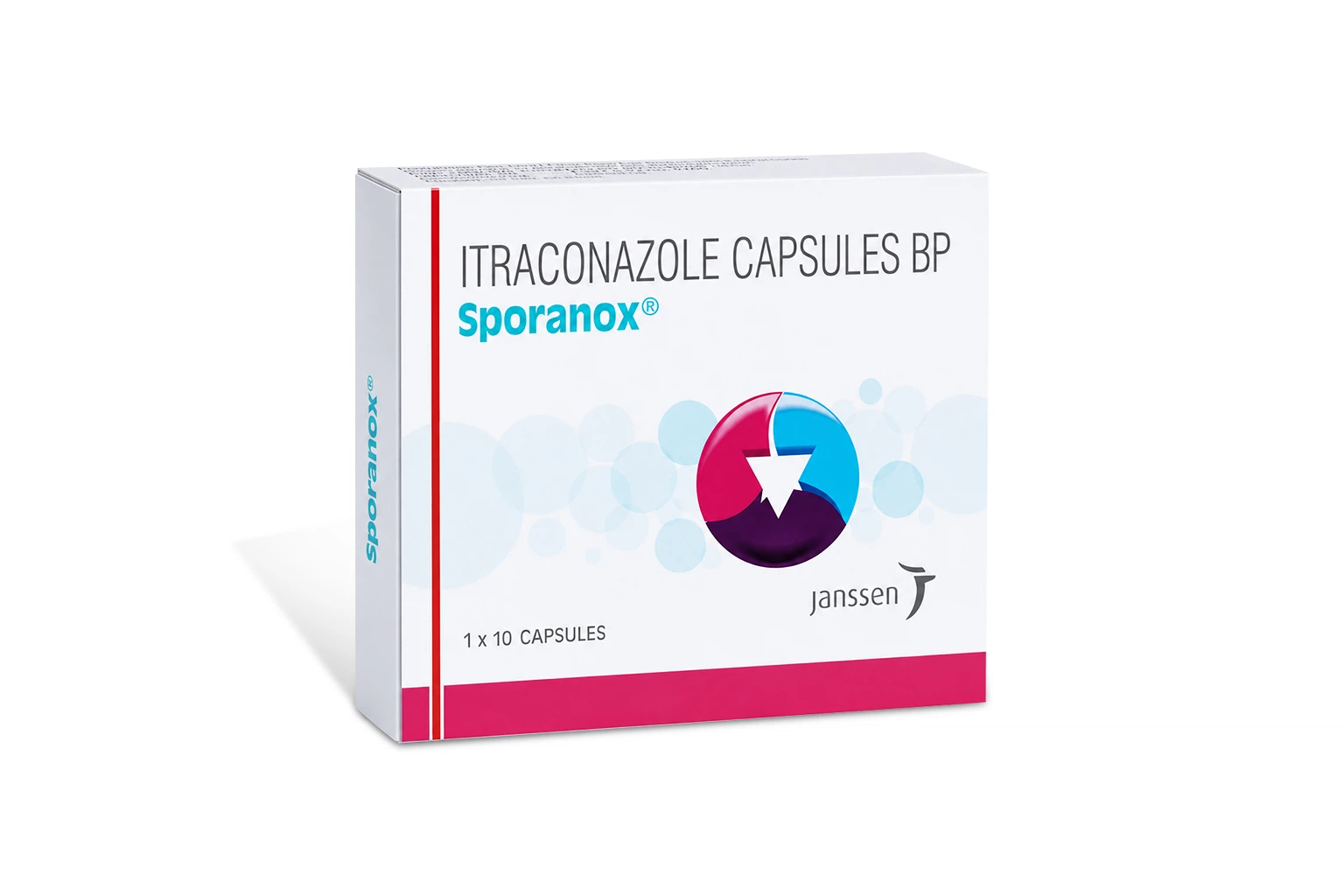
$25.00 – $64.00Price range: $25.00 through $64.00Rated 4.00 out of 5Shop Now This product has multiple variants. The options may be chosen on the product pageSporanox Itraconazole 100 mg
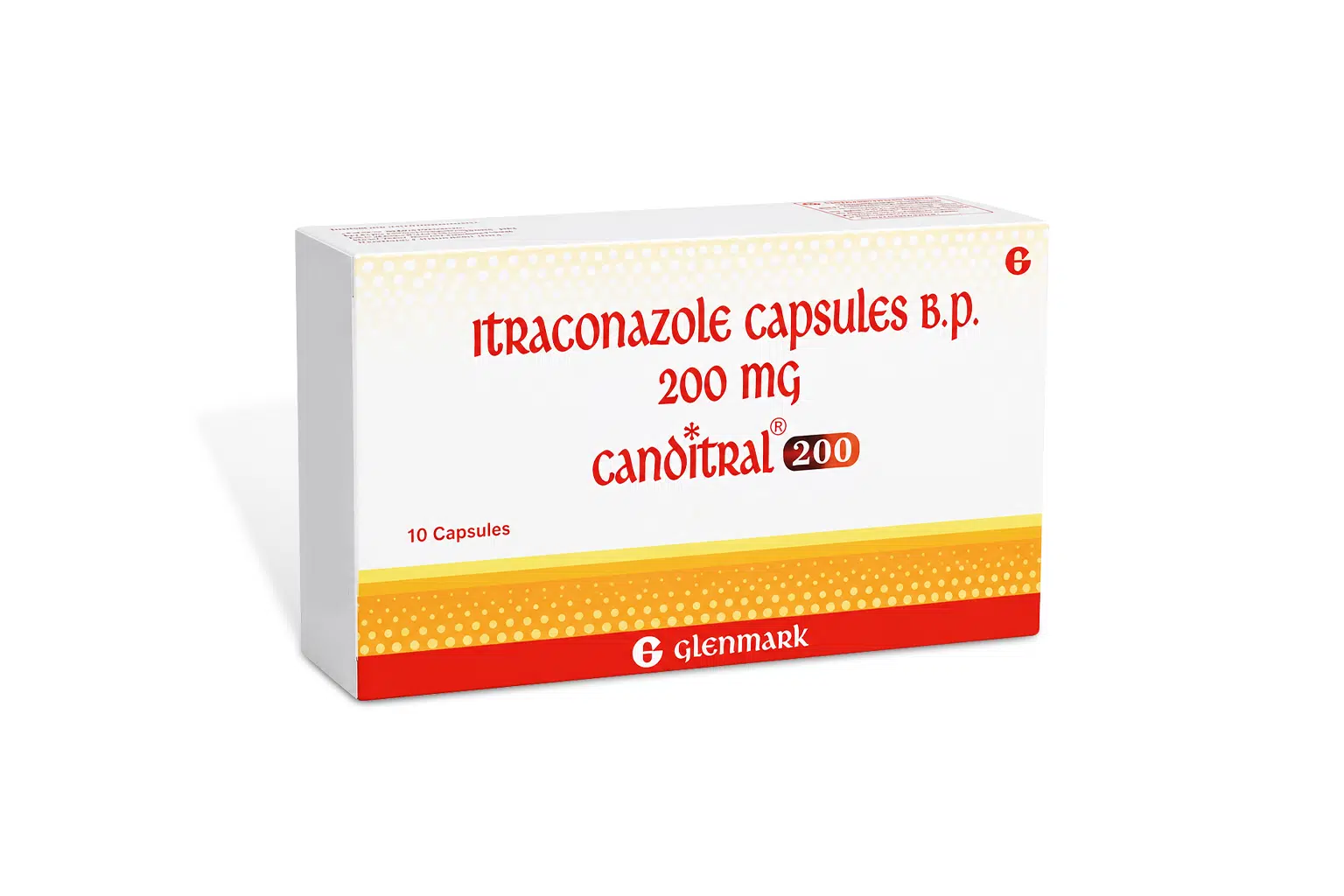
$50.00 – $152.00Price range: $50.00 through $152.00Rated 5.00 out of 5Shop Now This product has multiple variants. The options may be chosen on the product pageCanditral 200 mg Capsule
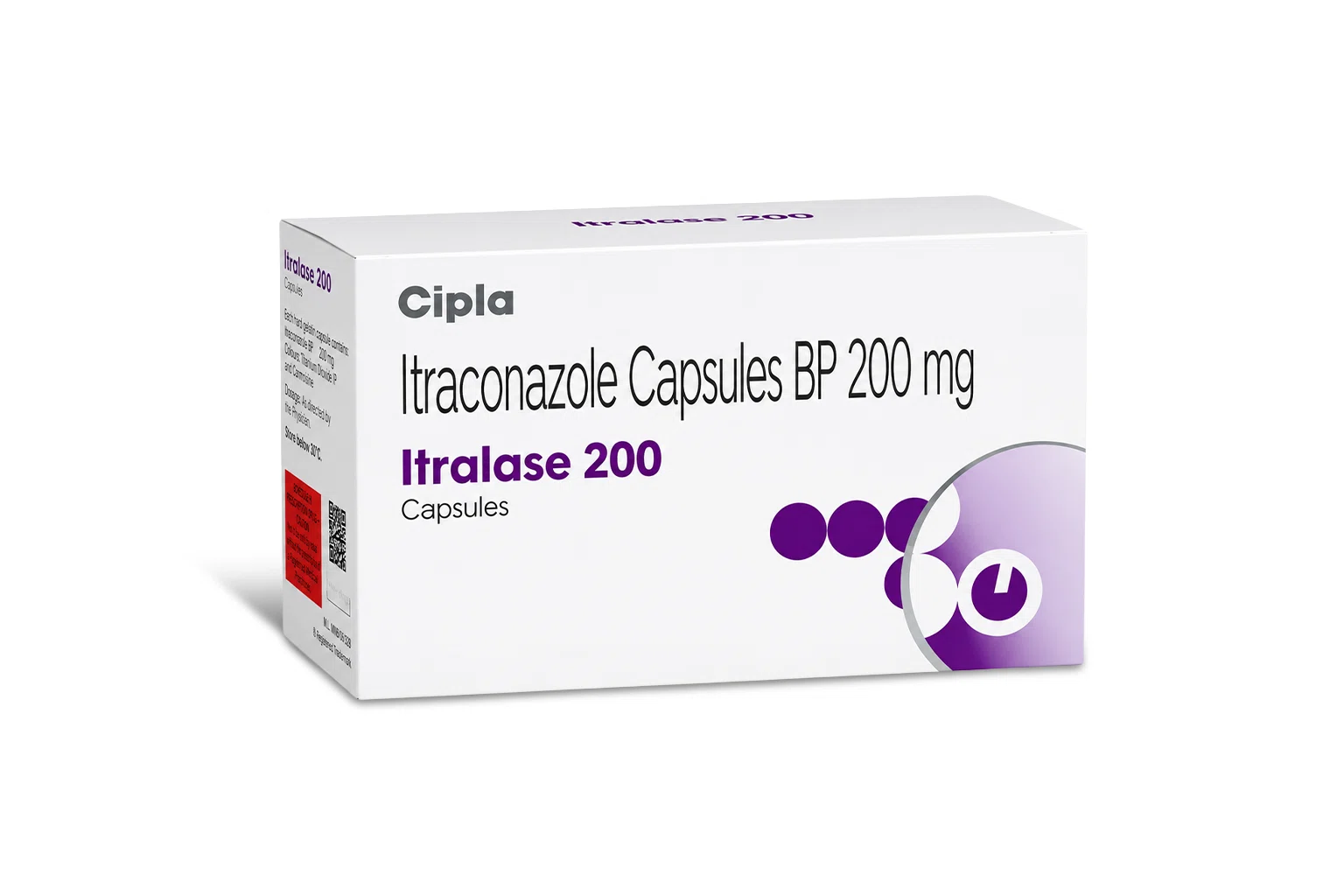
$39.00 – $92.00Price range: $39.00 through $92.00Rated 5.00 out of 5Shop Now This product has multiple variants. The options may be chosen on the product pageItralase 200 mg Capsule
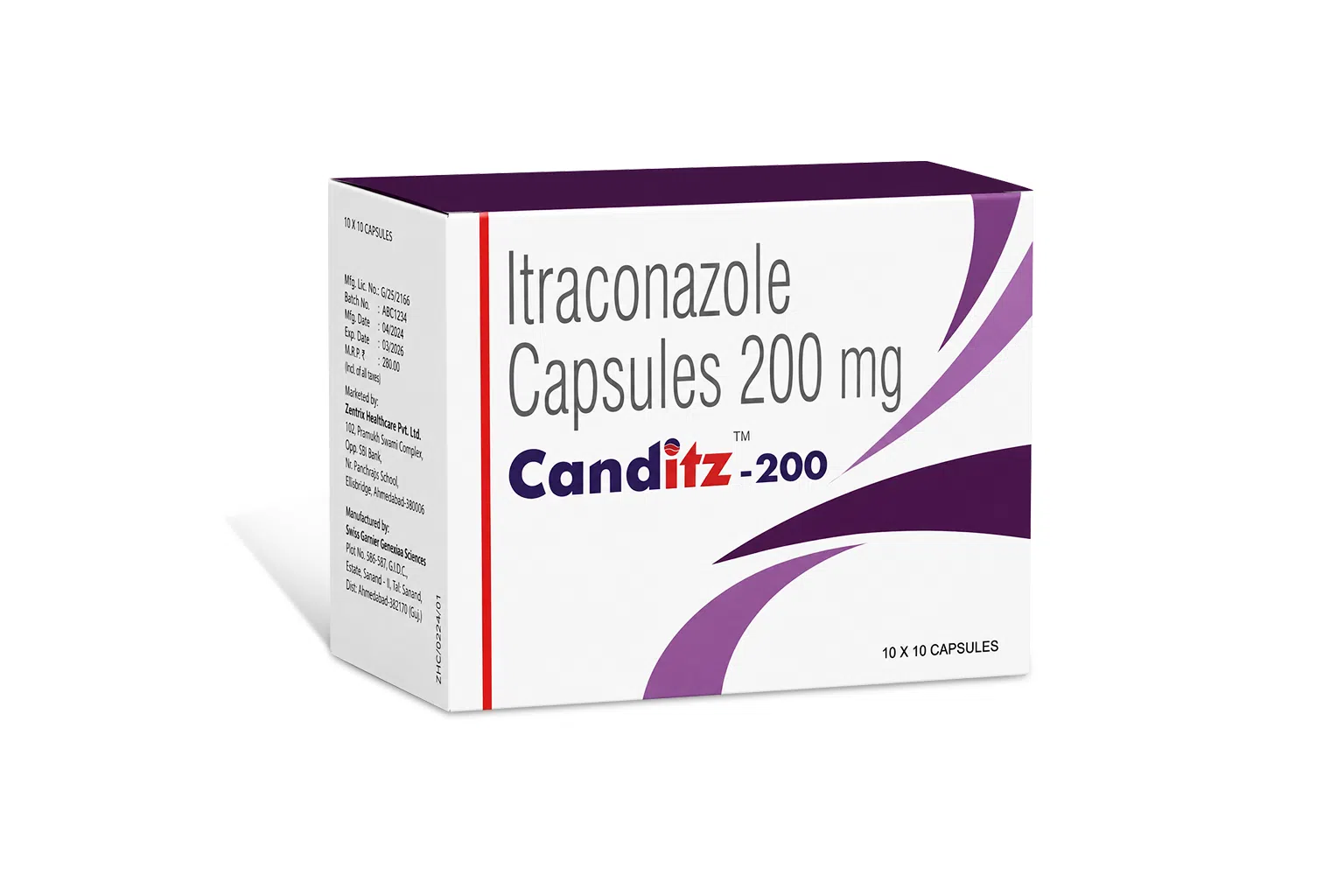
$23.00 – $57.00Price range: $23.00 through $57.00Rated 5.00 out of 5Shop Now This product has multiple variants. The options may be chosen on the product pageCanditz 200 mg Capsule
$38.00 – $93.00Price range: $38.00 through $93.00Rated 5.00 out of 5Shop Now This product has multiple variants. The options may be chosen on the product pageItaspor 100 mg Capsule
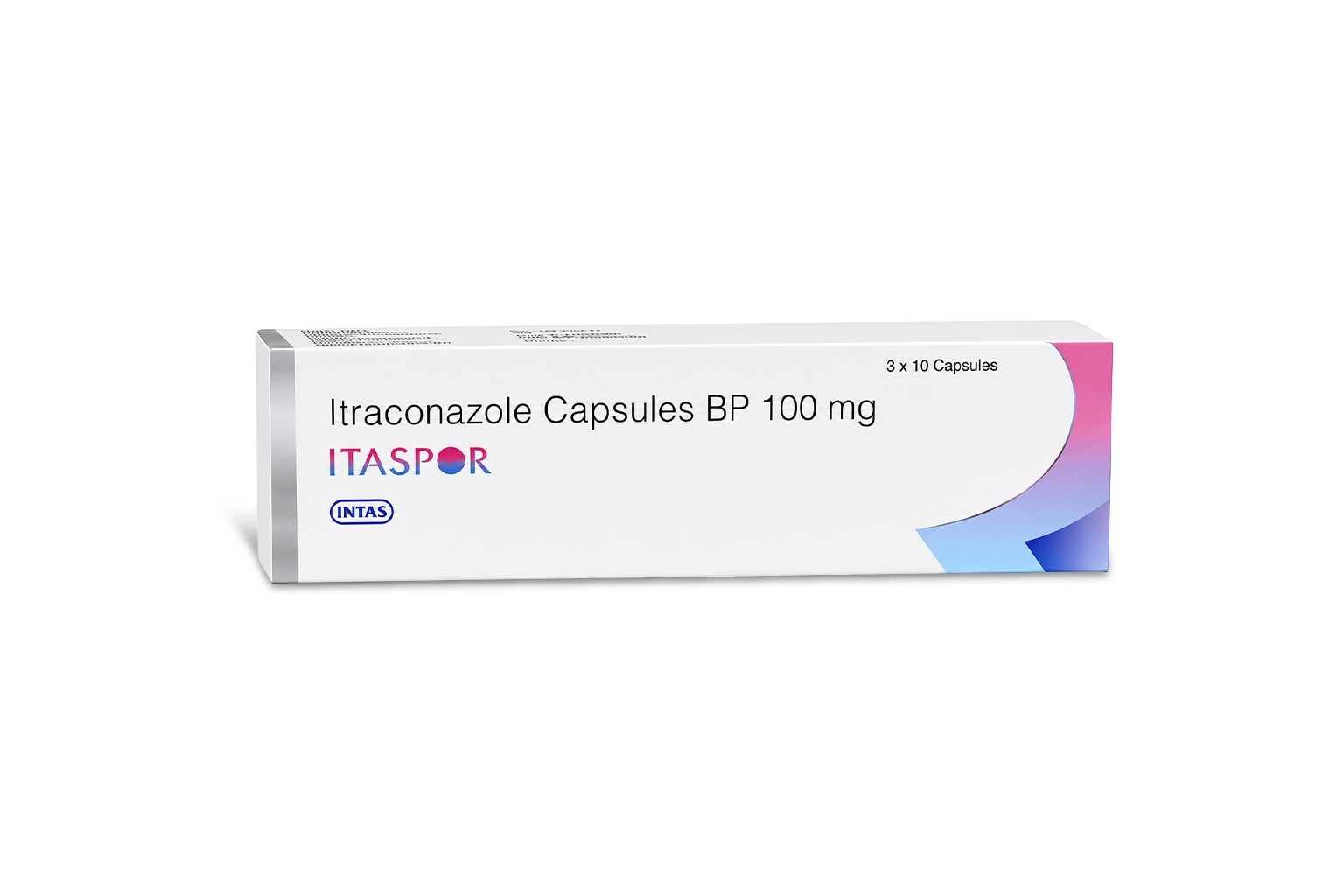
$91.00 – $177.00Price range: $91.00 through $177.00Rated 5.00 out of 5Shop Now This product has multiple variants. The options may be chosen on the product pageItaspor 200 mg Capsule
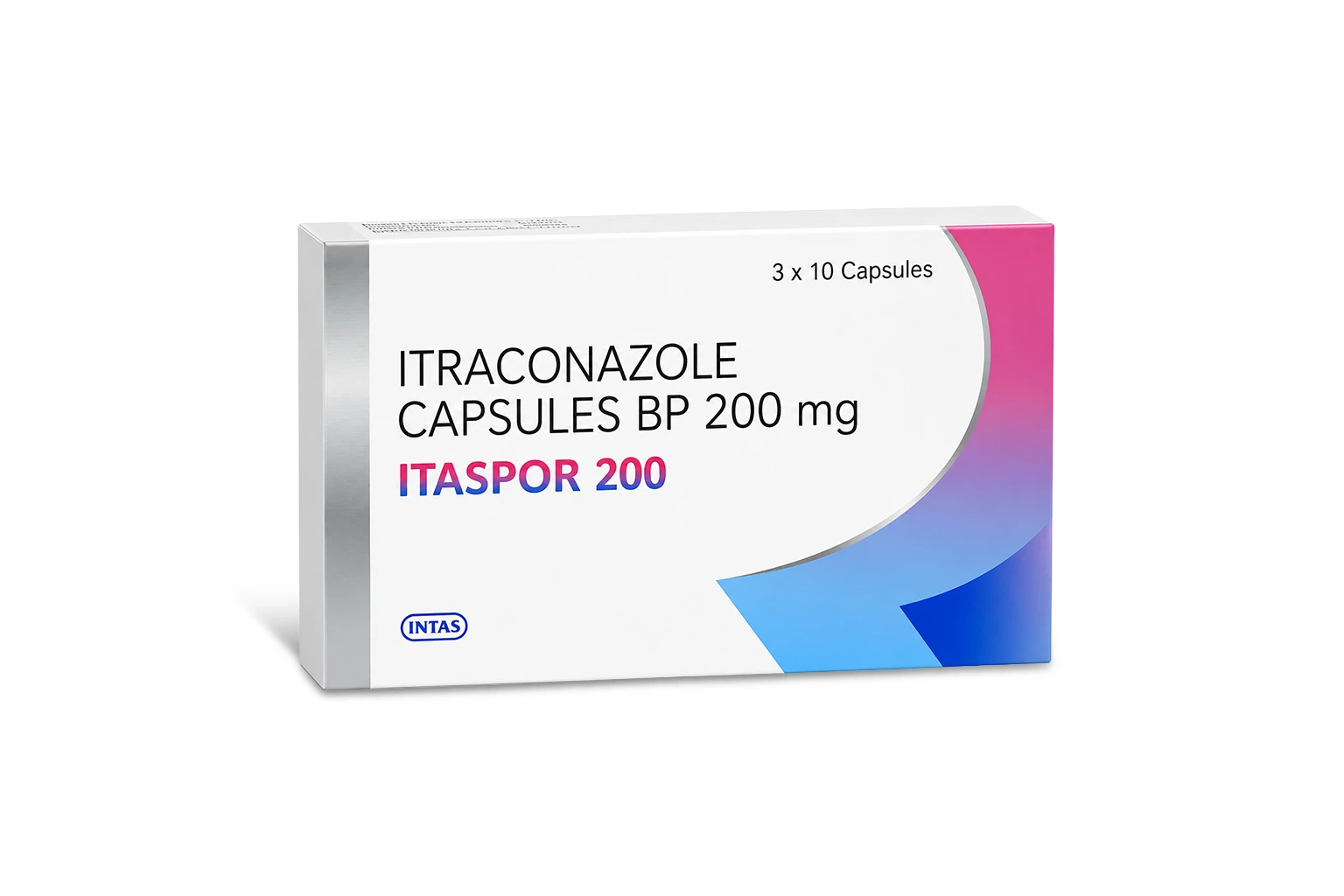
$105.00 – $204.00Price range: $105.00 through $204.00Rated 4.00 out of 5Shop Now This product has multiple variants. The options may be chosen on the product page
Types of fungal infections
- Superficial mycoses: This may include Tinea (Ringworm infection), Tinea versicolor, Onychomycosis, Cutaneous candidiasis.
- Subcutaneous mycoses: This may contain Sporotrichosis, Chromoblastomycosis, mycetoma.
- Systemic deep mycoses: This may involve Histoplasmosis, Coccidioidomycosis, Blastomycosis, Cryptococcosis, Aspergillosis, and mucormycosis.
- Opportunistic mycoses: Candidiasis, Pneumocystis pneumonia, Invasive aspergillosis and Cryptococcosis.
How is fungal infection caused?
- Through inhalation: Spores present in dust and air is inhaled through lungs, this is the entry passage of fungi in humans.
- Skin contact, when you get direct contact with infected person, animal, object or soil etc.
- Your normal skin or gut fungi multiply when immune system drops.
- Spores pushed into the skin by thorns and splinters.
Mycelium is the vegetative body of fungus, made up of network of hyphae. Antibiotics like Azithromycin and Metronidazole do not work on fungi because bacteria lack ergosterol, cell wall with chitin and glucan and hyphae. Antifungals are designed for fungal targeted infections.
Uses of Antifungal medications
- In treating Athlete’s foot, ring worm, nail fungus, jock, itch, tinea versicolor.
- Oral thrush, vaginal yeast infections and esophagitis.
- Valley fever, Hystoplasmosis, Invasive spergillosis, Cryptococcal meningitis, and Candida blood infection can also be treated.
Frequently Asked Questions (FAQ's)
1) How does antifungal medication work?
Antifungal medications target unique structures or metabolic processes in fungal cells. As a result, fungi cannot spread and become detached from humans’ skin. Therefore, they died.
2) What are the causes of fungal infection?
Fungal infection is caused by the overgrowth of microscopic fungi. Moreover, warm and wet environments, skin breaks, and your weak immunity are responsible for this infection.
3) Which is the best antifungal medicine?
The medicine depends on patients’ health conditions and medical history. Antifungal medications like itraconazole, fluconazole, voriconazole, posaconazole, ketoconazole, clotrimazole, and miconazole mainly deal with several fungal infections.
4) Are antifungal capsules safe?
Yes, it is safe. You should consult with a healthcare provider to take the right antifungal medicine and dose to avoid side effects.
5) How to remove fungal infection quickly?
It is not a one-night resolution case. It takes 2 to 4 weeks to remove a fungal infection.