
Hyperprolactinemia
Hyperprolactinemia is a condition in which the level of prolactin in the blood is higher than normal. Prolactin is a hormone produced mainly by the pituitary gland and plays an important role in breast development and milk production. It is significantly more common in women than men. It most frequently affects women aged 25 to 34 years old. It is found in 5% to 14% of women suffering from secondary amenorrhea (missing periods) and up to 15% to 20% of women presenting with general menstrual disturbances.
Ivercares offers a range of cabergoline-containing medicines to manage hyperprolactinemia. Explore our range of medicines used in the management of elevated prolactin levels
… Read More

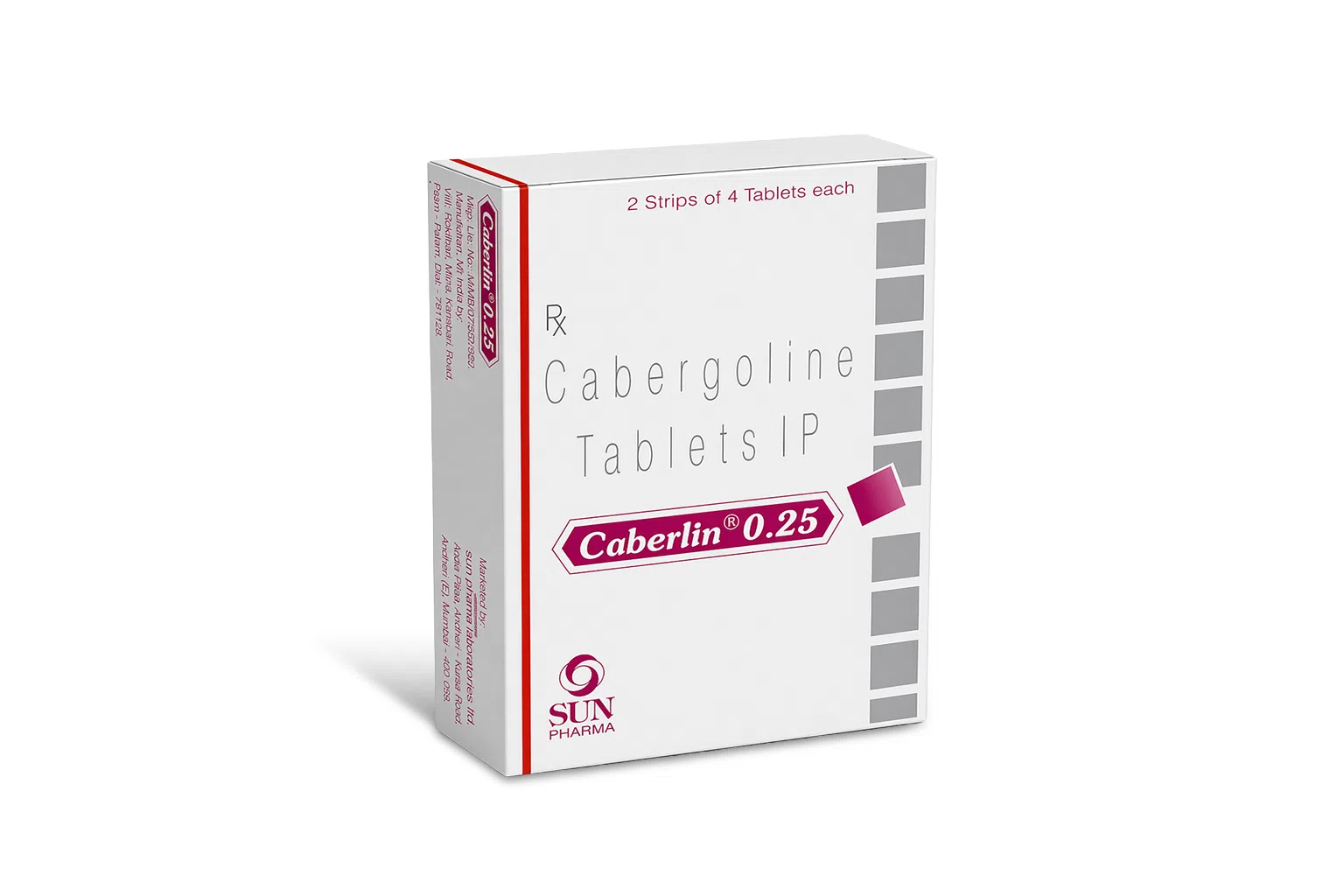
Caberlin 0.25 Mg Tablets
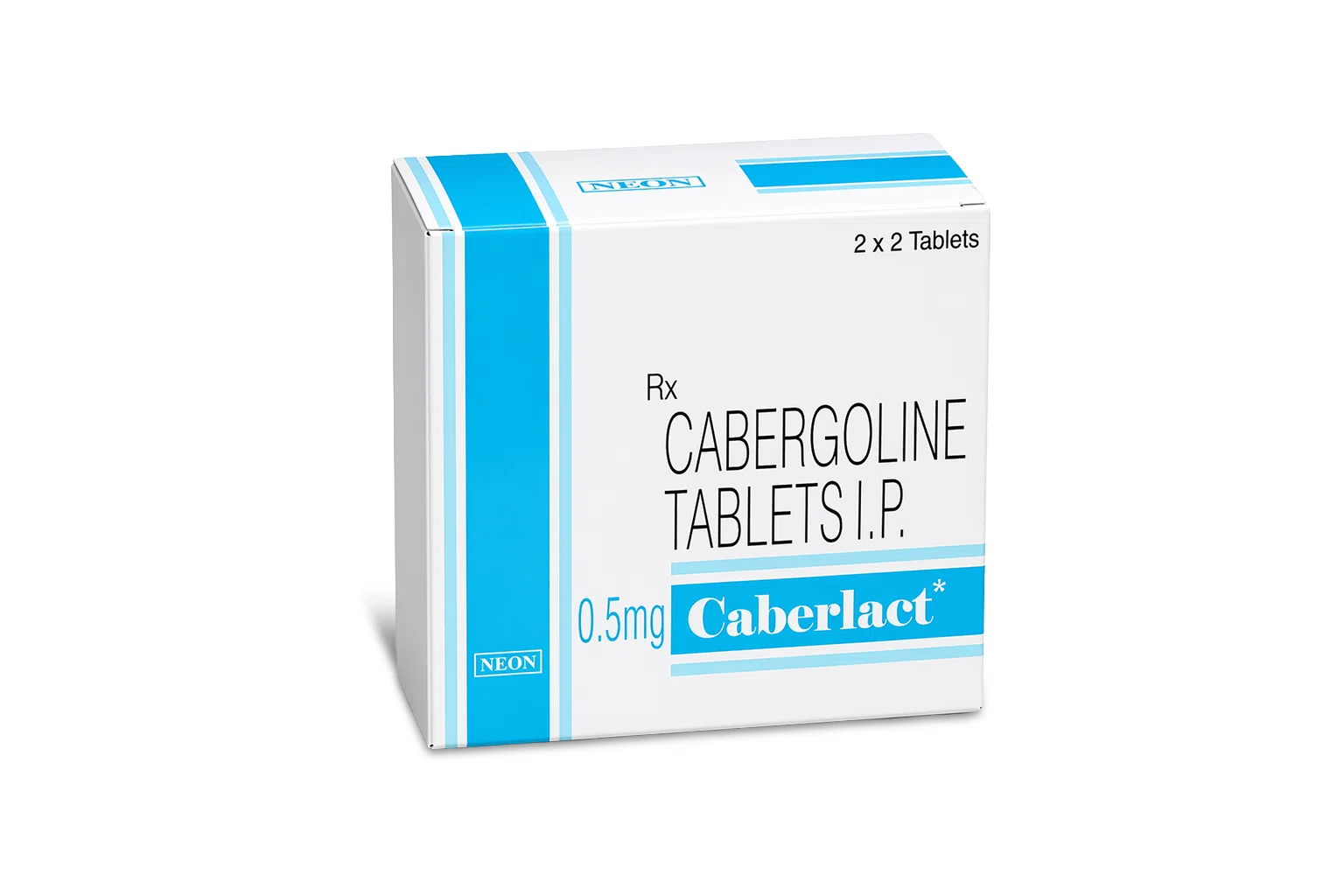
$28.00 – $61.00Price range: $28.00 through $61.00Rated 4.00 out of 5Shop Now This product has multiple variants. The options may be chosen on the product pageCaberlact 0.5 Mg Tablet
$45.00 – $117.00Price range: $45.00 through $117.00Rated 4.00 out of 5Shop Now This product has multiple variants. The options may be chosen on the product pageCabgolin 0.25 Mg
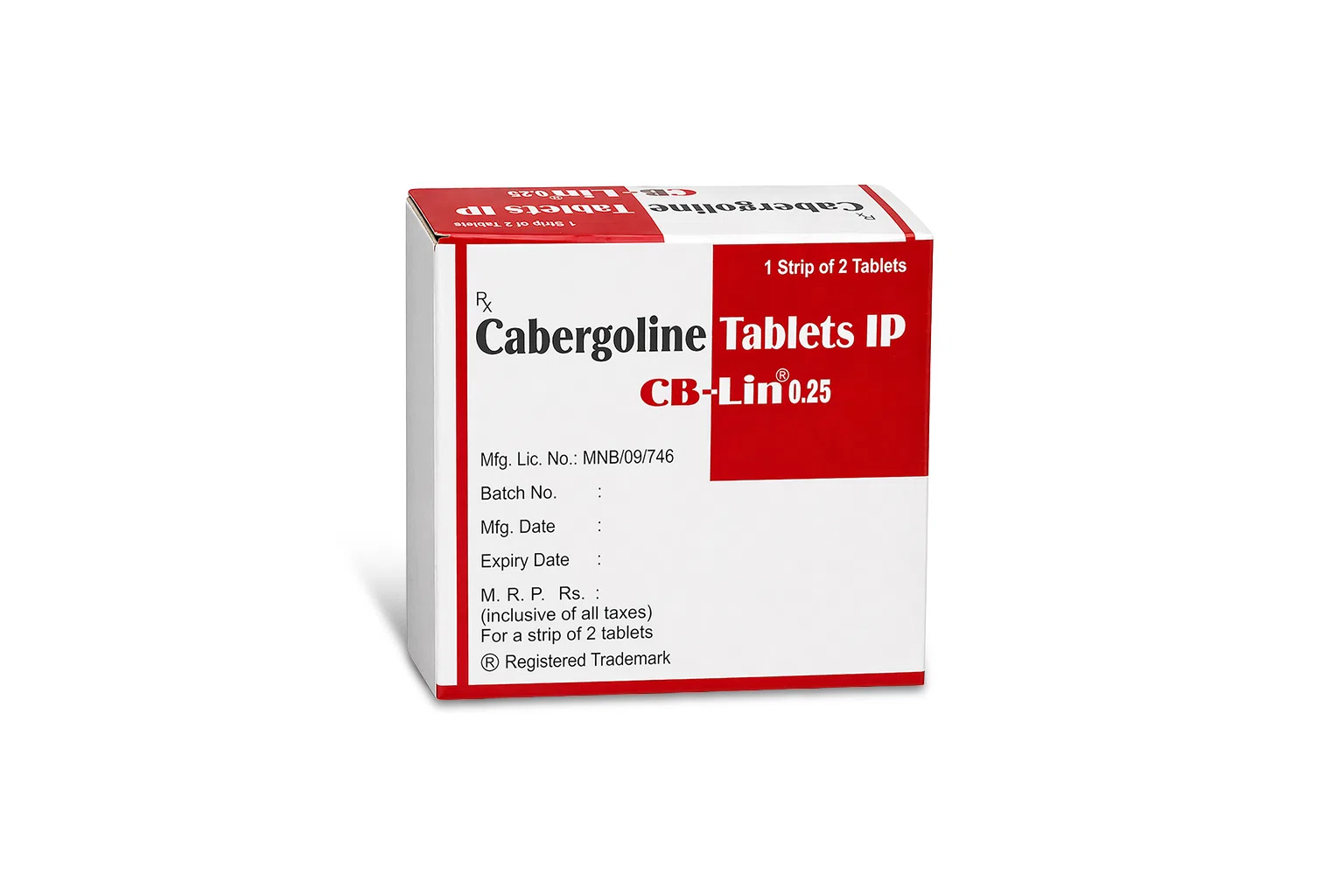
$24.00 – $68.00Price range: $24.00 through $68.00Rated 4.00 out of 5Shop Now This product has multiple variants. The options may be chosen on the product pageCB-Lin 0.25 Tablet
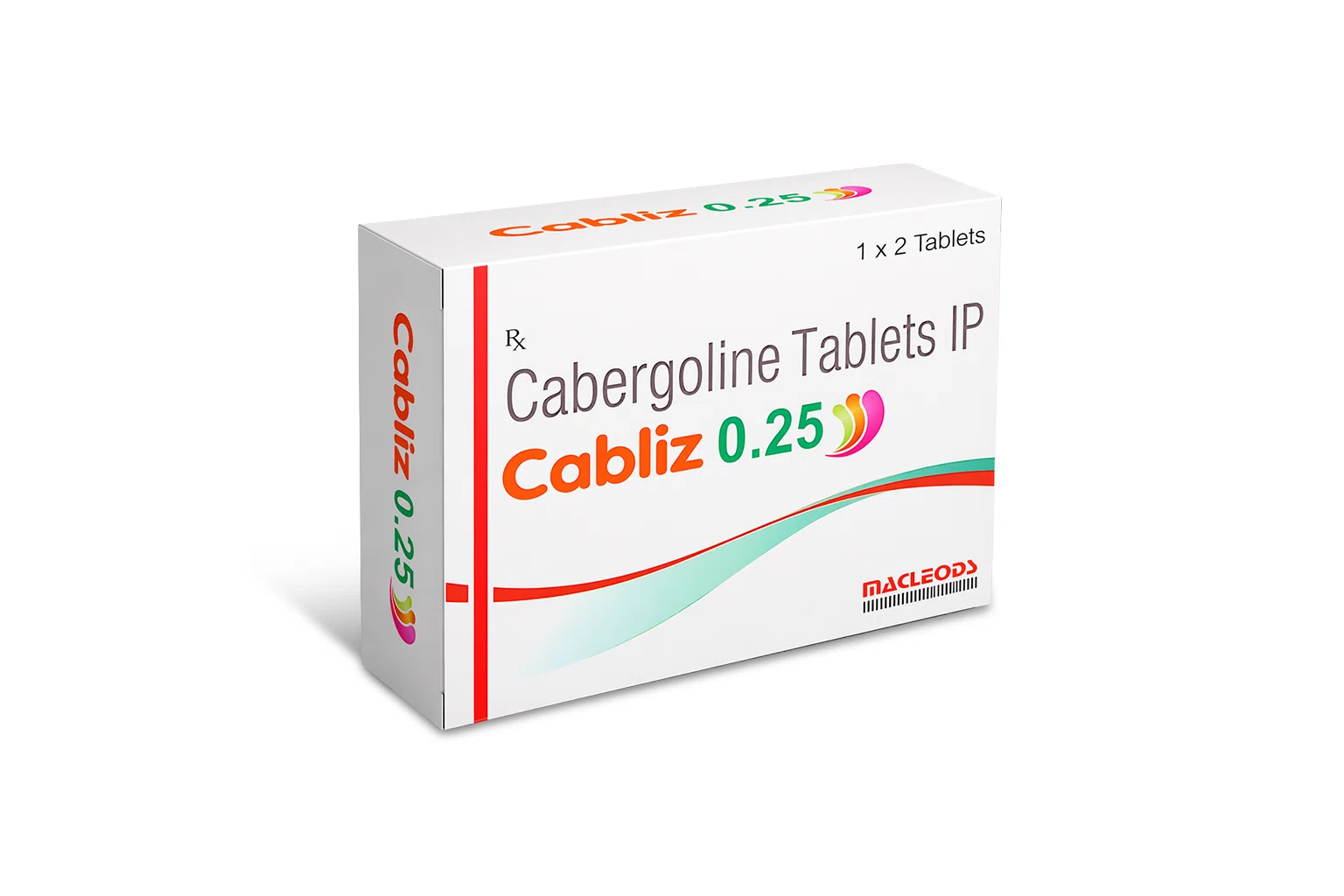
$30.00 – $80.00Price range: $30.00 through $80.00Rated 4.00 out of 5Shop Now This product has multiple variants. The options may be chosen on the product pageCabliz 0.25 Mg Tablet
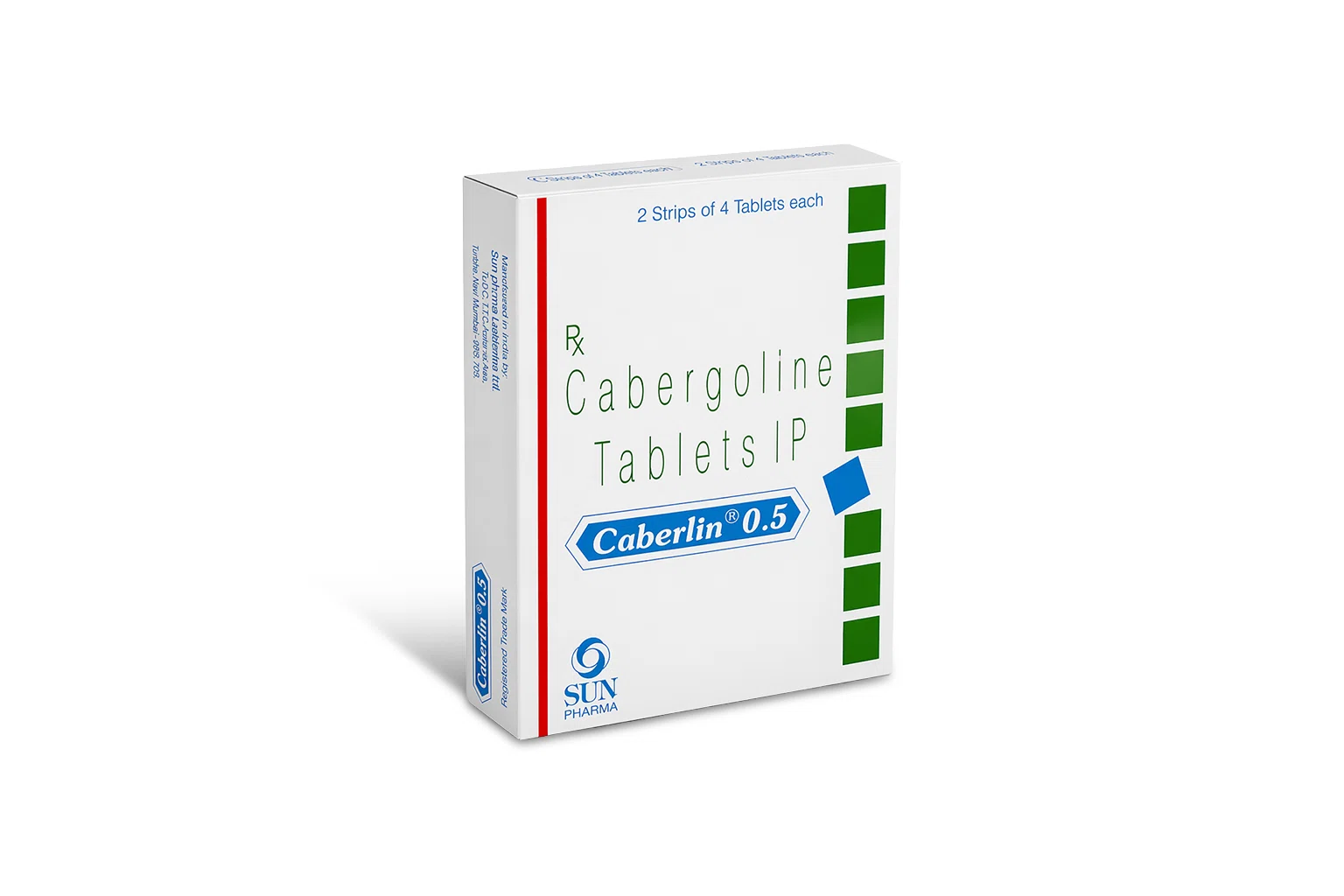
$40.00 – $104.00Price range: $40.00 through $104.00Rated 4.00 out of 5Shop Now This product has multiple variants. The options may be chosen on the product pageCaberlin 0.5 Mg
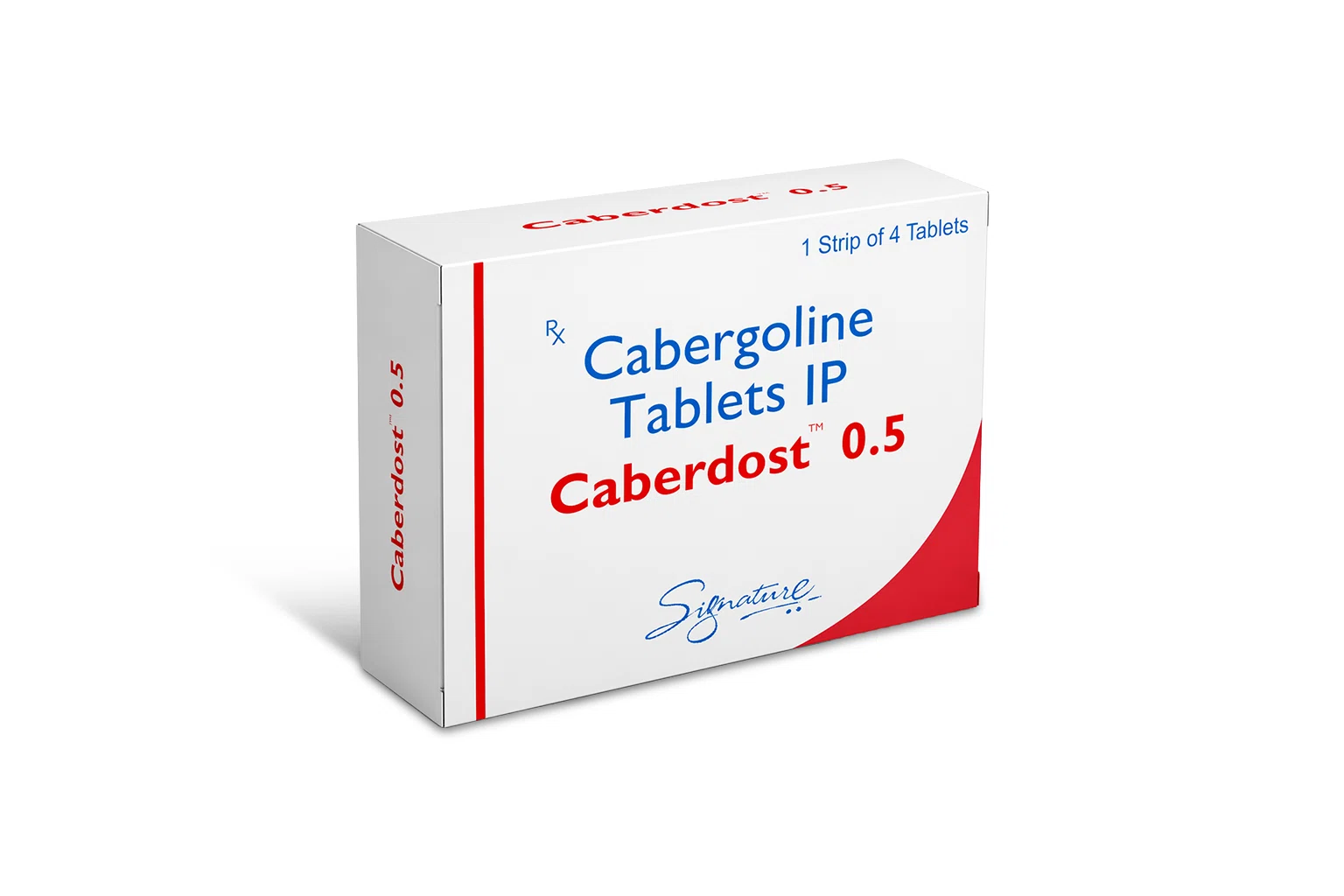
$42.00 – $118.00Price range: $42.00 through $118.00Rated 4.00 out of 5Shop Now This product has multiple variants. The options may be chosen on the product pageCaberdost 0.5 Mg Tablet
$122.00 – $206.00Price range: $122.00 through $206.00Rated 4.00 out of 5Shop Now This product has multiple variants. The options may be chosen on the product page

What Causes Hyperprolactinemia?
Hyperprolactinemia can have several possible causes. Common causes include:
- Medications: Certain drugs for mental health, depression, high blood pressure, or nausea.
- Health conditions: An underactive thyroid gland (hypothyroidism) or chronic kidney disease.
- Natural triggers: Pregnancy, breastfeeding, or heavy physical stress.
A healthcare professional may use blood tests, medication history and, when appropriate, imaging tests to identify the underlying cause of elevated prolactin levels.
Prolactinoma: A non-cancerous (benign) tumor on the pituitary gland that makes extra prolactin.
Symptoms of Hyperprolactinemia
Some people with elevated prolactin may have no noticeable symptoms. When symptoms occur they can vary between individuals.
Possible symptoms in women include:
- Irregular or absent menstrual periods
- Unexpected milk production or breast discharge
- Reduced sexual desire
- Difficulty becoming pregnant
Possible symptoms in men may include:
- Reduced libido
- Erectile difficulties
- Fertility problems
Cabergoline for Hyperprolactinemia
Cabergoline is a dopamine agonist used for the treatment of hyperprolactinemic disorders, including those associated with pituitary adenomas. It works by stimulating dopamine receptors involved in controlling prolactin production helping to reduce the amount of prolactin released from the pituitary gland. Cabergoline is available in tablet form for oral administration and should be taken as directed in your health care provider’s treatment plan.
Products available are:
- Caberlin 0.25 mg Tablets
- Caberlact 0.5 mg Tablet
- Cabgolin 0.25 mg
- CB-Lin 0.25 Tablet
- Cabliz 0.25 mg Tablet
- Caberlin 0.5 mg
- Caberdost 0.5 mg Tablet
About Cabergoline
| Feature | Details |
| Drug Class | Dopamine agonist |
| Active Ingredient | Cabergoline |
| On-set action | Within 2 to 3 hours |
| Dosage Form | Oral tablet |
| Main action | Helps reduce prolactin production |
| Half-life | Approx. 63 to 109 hours |
Safety and Efficacy
- Helps lower prolactin: Cabergoline works as a dopamine agonist to reduce prolactin production and is indicated for hyperprolactinemic disorders in adults.
- May improve associated symptoms: Depending on the cause, lowering high prolactin levels may help address hyperprolactinemia-related problems.
- Medical monitoring is important: Treatment may need periodic prolactin testing and when appropriate cardiovascular monitoring to assess response and safety.
Precautions
- Heart-related conditions: Patients should be evaluated for the presence of heart-valve disease before starting cabergoline, it is contraindicated in patients with certain valvular or fibrotic disorders.
- Blood pressure and dizziness: Cabergoline may cause orthostatic hypotension. Patients should be monitored for dizziness or lightheadedness particularly upon standing.
- Pregnancy and other medicines: Tell your healthcare professional if you are pregnant or planning pregnancy and about all medicines you take because cabergoline has important precautions and interactions