
Azithromycin
Azithromycin is a macrolide antibiotic in the azalide subclass used to treat bacterial infections. It is also known for its high penetration and long half life used in treating pneumonia, chlamydia and strep throat in just 3-5 days course. It may work by binding to the 50S ribosomal subunit of bacteria, just by blocking protein synthesis so bacteria can’t grow or multiply. Read More

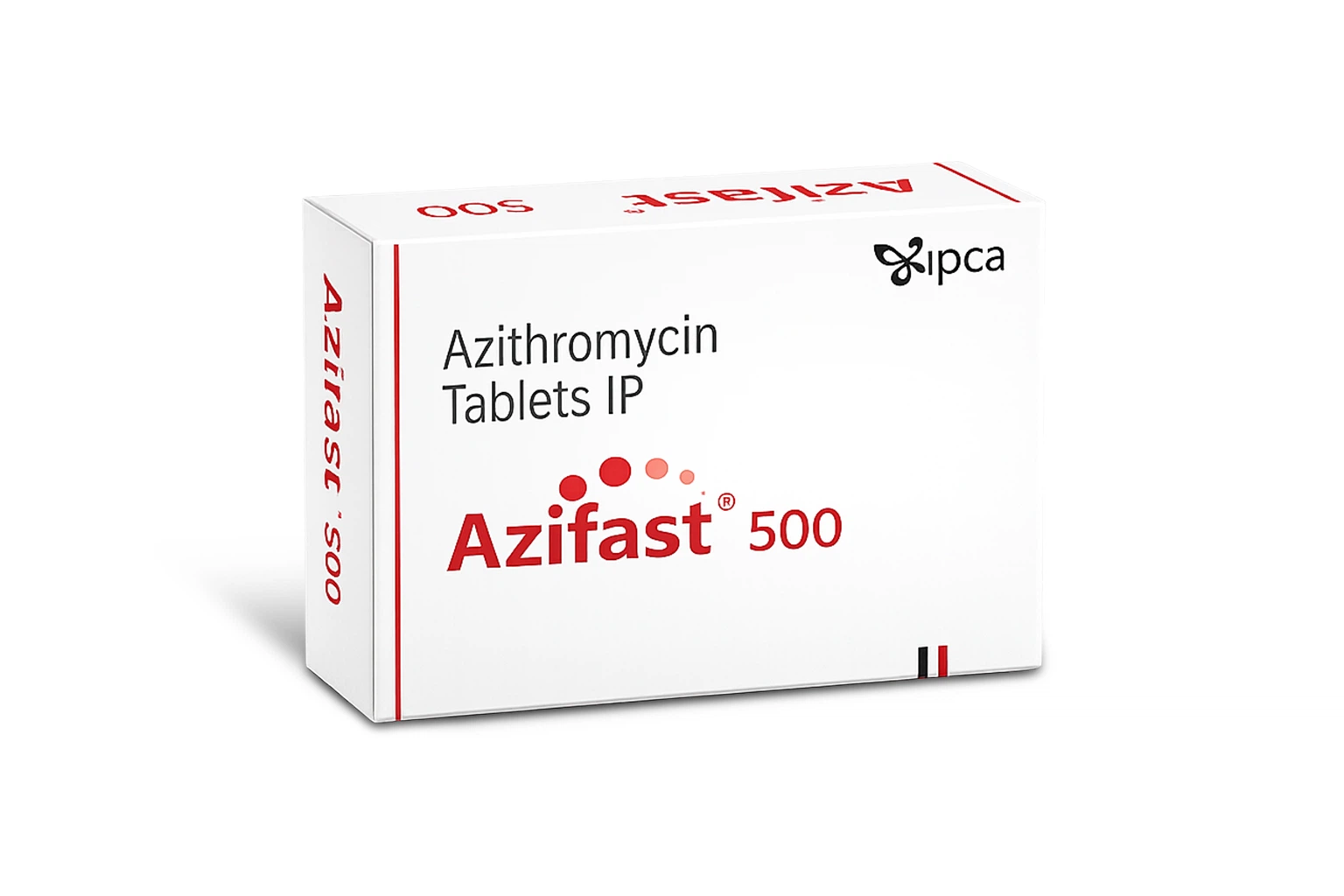
Azifast 500 mg Tablet
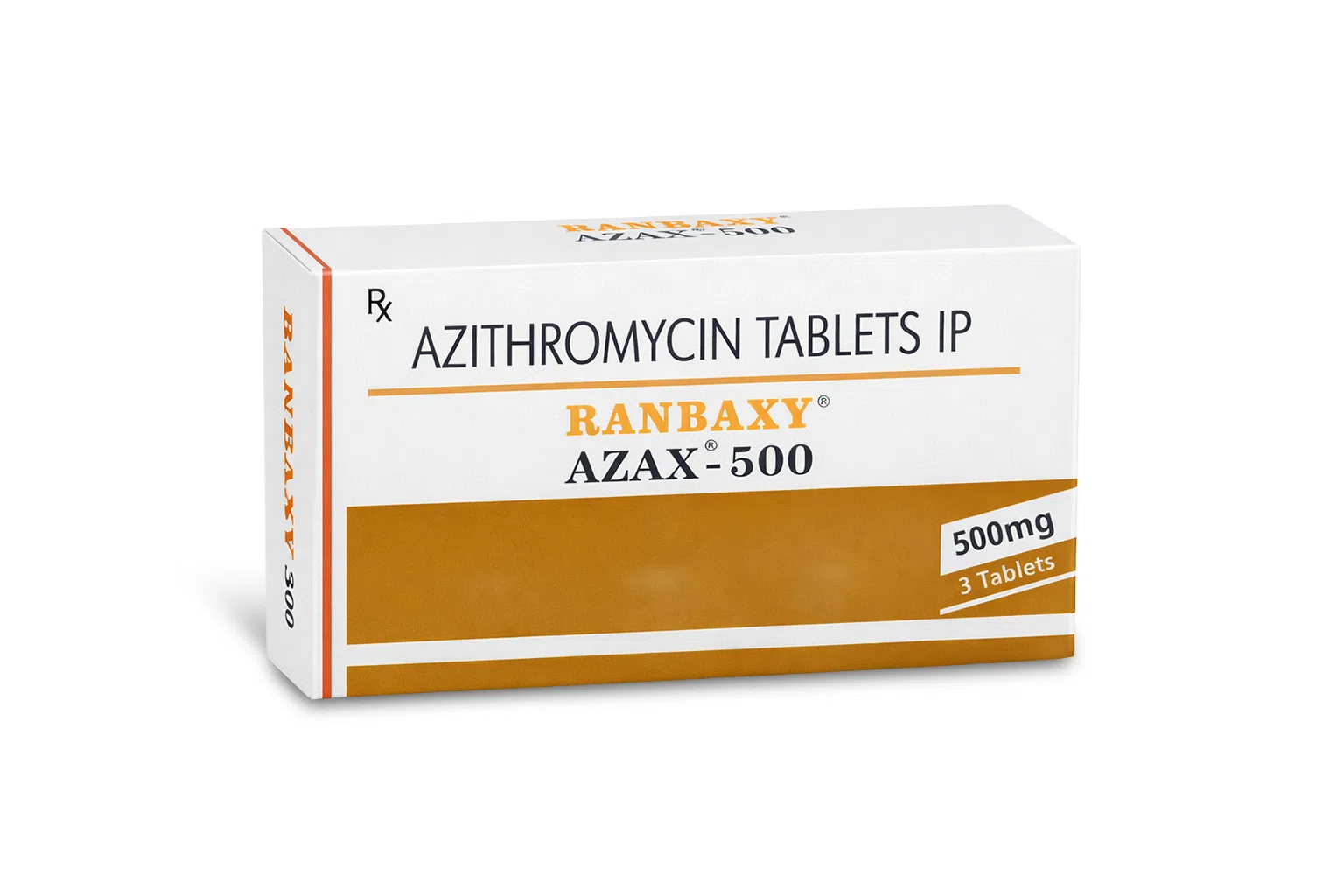
$20.00 – $50.00Price range: $20.00 through $50.00Rated 4.00 out of 5Shop Now This product has multiple variants. The options may be chosen on the product pageAzax 500 mg
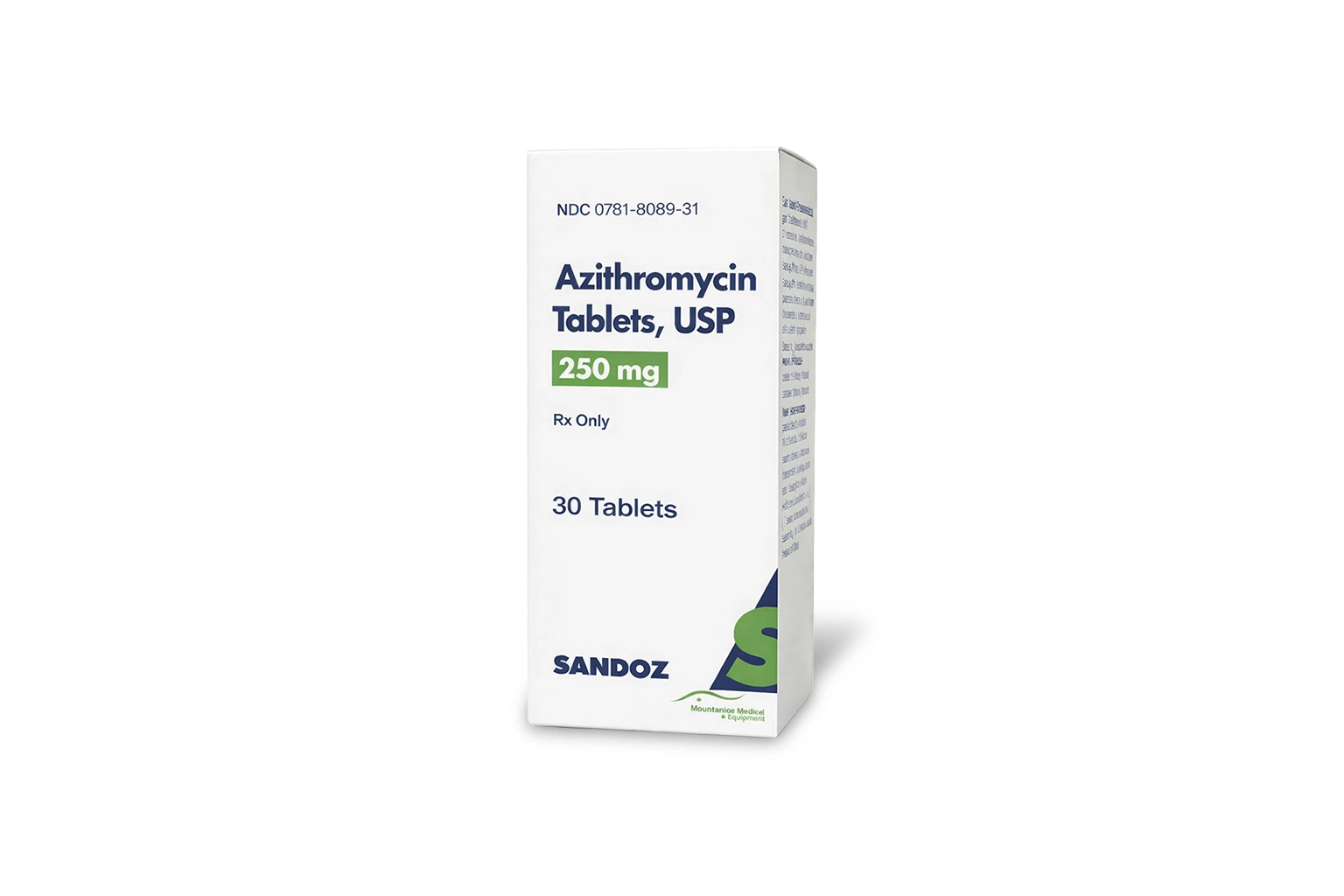
$18.00 – $68.00Price range: $18.00 through $68.00Rated 5.00 out of 5Shop Now This product has multiple variants. The options may be chosen on the product pageAzax 250 mg
$19.00 – $52.00Price range: $19.00 through $52.00Rated 5.00 out of 5Shop Now This product has multiple variants. The options may be chosen on the product page
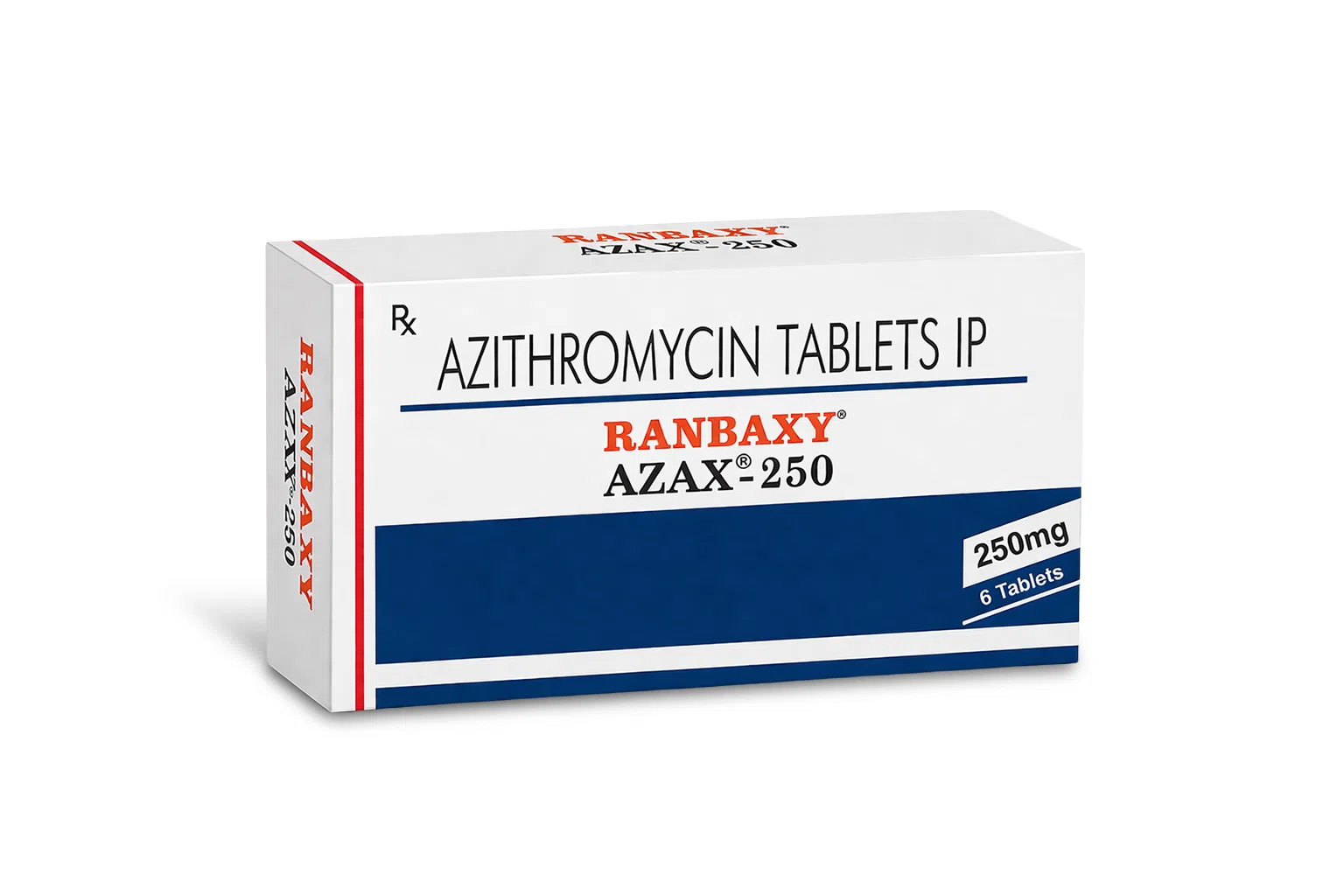
Azithromycin is FDA-approved in treating
- Bacterial infection
- Pneumonia
- Bacterial Sinusitis
- Otitis media
- Strep throat
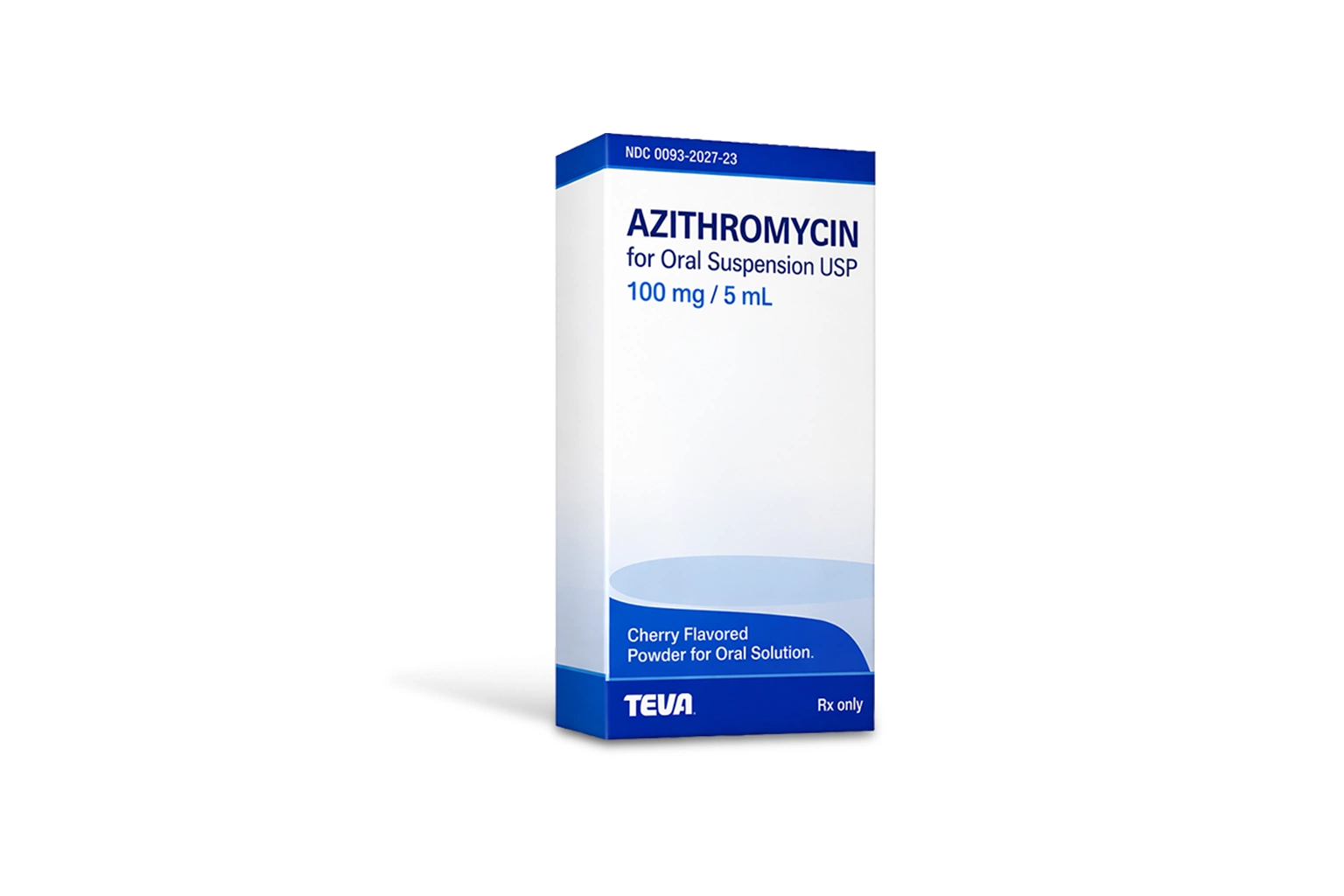
Azithromycin medications like Azifast 500 mg, Azithromycin oral suspension solution, Azax 500 mg, Azithromycin 250 mg, and Azax 250 mg are used in treating various bacterial infections.
| Medication | Onset of action | Uses |
|---|---|---|
| Azifast 500 mg | 2-3 hours | Acute bacterial sinusitis, pharyngitis tonsillitis. |
| Azithromycin oral suspension solution | 2-3 hours | Acute bacterial sinusitis, pharyngitis tonsillitis. |
| Azax 500 mg | 2.5-3 hours | Chlamydia, Gonorrhea |
| Azithromycin 250 mg | 2-3 hours | Cystic fibrosis and Bronchiectasis |
| Azax 250 mg | 2-3 hours | Chronic lung disease |
How does Azithromycin work?
- It may bind to ribosomal subunit, i.e., Azithromycin may attach to the 23S rRNA of the bacterial 50S ribosome.
- It may prevent the ribosome from adding amino acids to the growing peptide chain. Bacteria unable to make proteins required for growth.
- At the normal doses it stops replicating its copies.
- At the high tissue level, it can be bactericidal for some bugs like strep pneumoniae.
Safety & Efficacy
- It may lead to common side effects like nausea, abdominal pain, headache, dizziness and Vaginitis.
- It may help in dealing with Atypicals i.e., Mycoplasma pneumoniae, Chlamydia pneumoniae, sexually transmitted infections (STIs) like Chlamydia trachomatis, and Haemophilus ducreyi, respiratory infection caused by Strep pneumo, H. influenzae, and Moraxella catarrhalis and other like Salmonella typhi, Mycobacterium avium and Campylobacter.
Precautions
- It should be avoided during pregnancy and breastfeeding.
- If you are with prior medical history of arrhythmia cardiac history, or liver history then it should be avoided to prevent unwanted interactions.
- Before starting the dose make sure to manage low K/Mg level.
- If you are allergic then avoid it or consult a medical professional prior.
Frequently Asked Questions (FAQ's)
1) What for Azithromycin is used?
Azithromycin is a macrolide antibiotic in the azalide subclass used to treat bacterial infections.
2) How does Azithromycin work?
Azithromycin may work by binding to the 50S ribosomal subunit of bacteria, just by blocking protein synthesis so bacteria can’t grow or multiply.
3) What can be the common side effects of Azithromycin?
The common side effects of Azithromycin can be Nausea, vomiting, diarrhea, abdominal pain, headache.
4) Is Azithromycin safe?
Azithromycin is a safe and effective antibiotic medicine, but it may show some side effects and the one with prior medical condition or allergic to it should avoid it and consult your healthcare provider prior.
5) Who should avoid taking Azithromycin medications?
The one who is allergic to azithromycin, with liver disease, myasthenia gravis, and pregnant and breast-feeding should avoid taking Azithromycin.