
Isotretinoin
Isotretinoin is a powerful oral retinoid used to treat severe, treatment-resistant acne that hasn’t responded to other options like antibiotics or topical treatments. Unlike creams or gels applied to the skin’s surface, isotretinoin works from within the body, targeting the oil glands directly responsible for severe breakouts. It belongs to a class of medications derived from vitamin A, and it’s often considered the most effective long-term option for nodular or cystic acne, frequently leading to lasting clearance after a single course of treatment. Because isotretinoin affects the body more broadly than topical retinoids, it requires close medical supervision, including regular bloodwork and monitoring, throughout the full course of therapy…. Read More

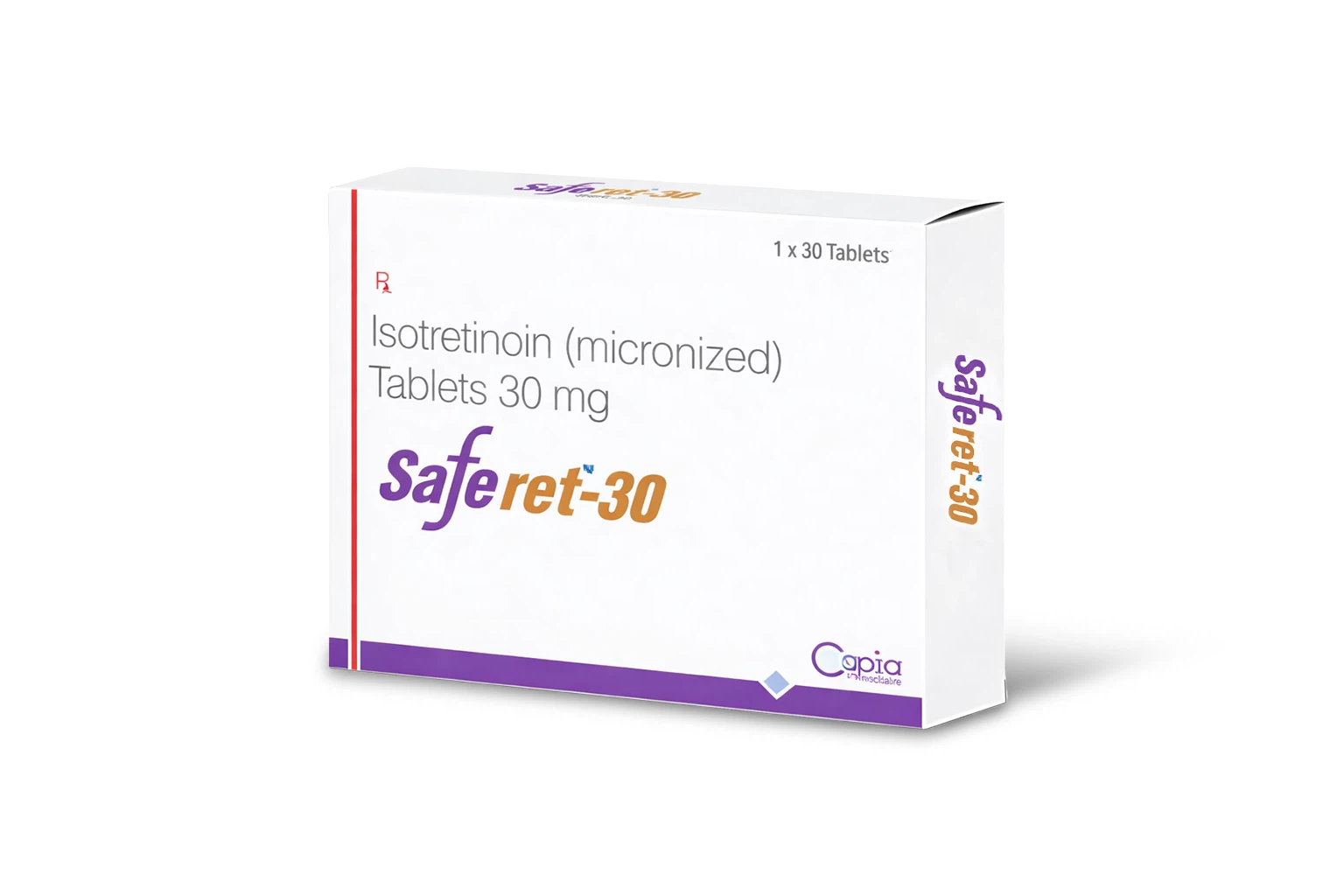
Saferet 30 Mg Capsule
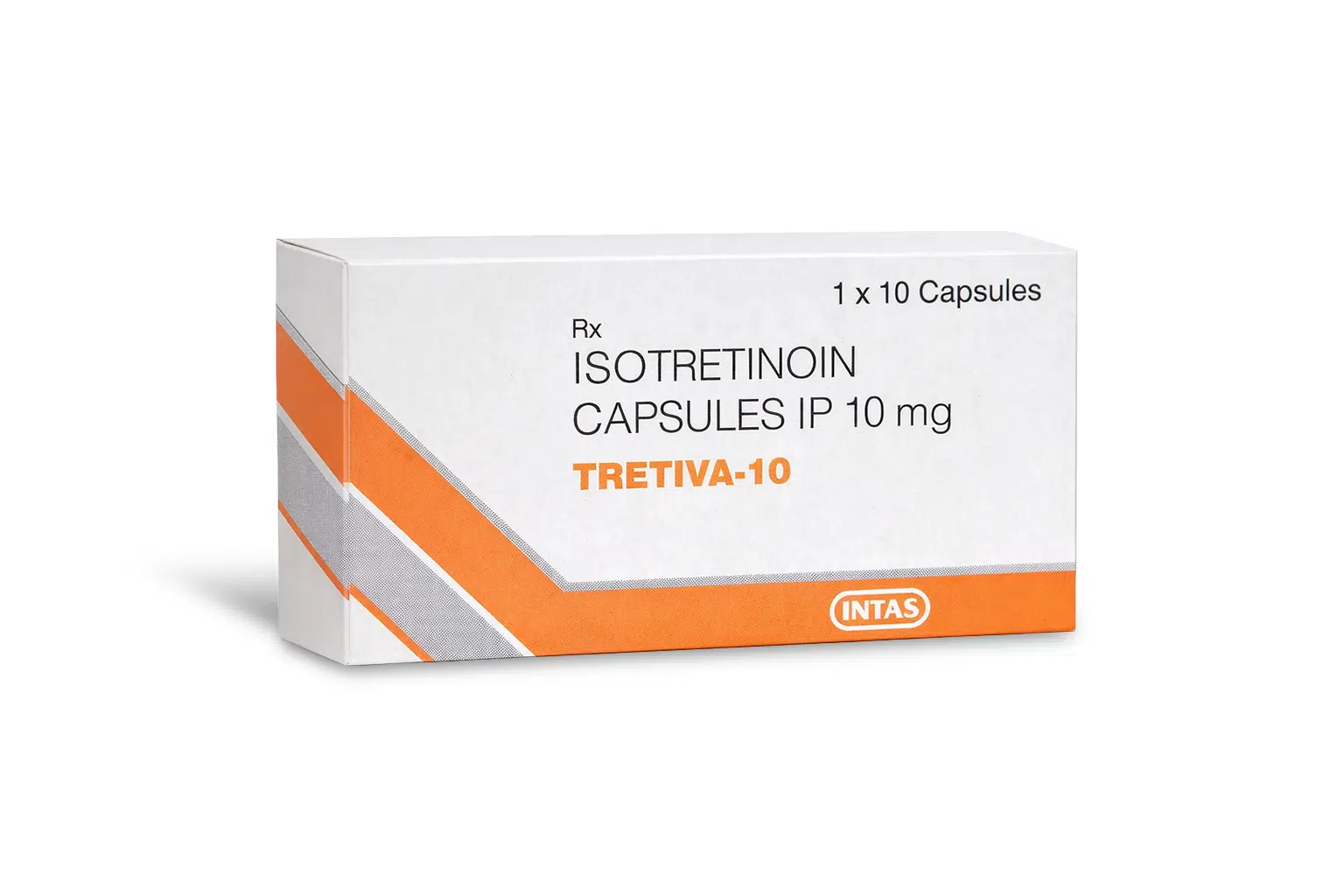
$28.00 – $86.00Price range: $28.00 through $86.00Rated 4.00 out of 5Shop Now This product has multiple variants. The options may be chosen on the product pageTretiva 10 Mg Capsule
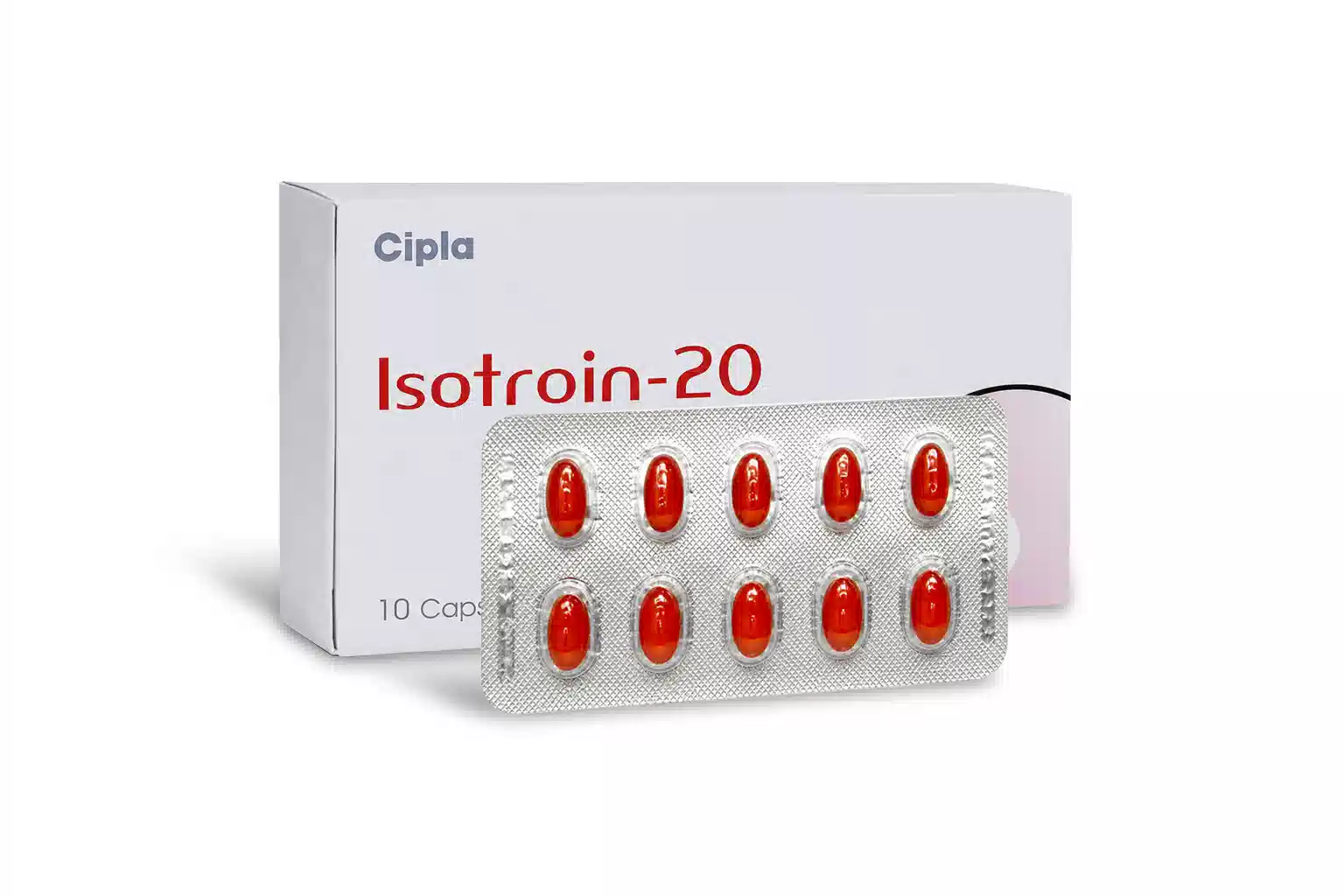
$21.00 – $63.00Price range: $21.00 through $63.00Rated 4.00 out of 5Shop Now This product has multiple variants. The options may be chosen on the product pageIsotroin 20 mg Capsule
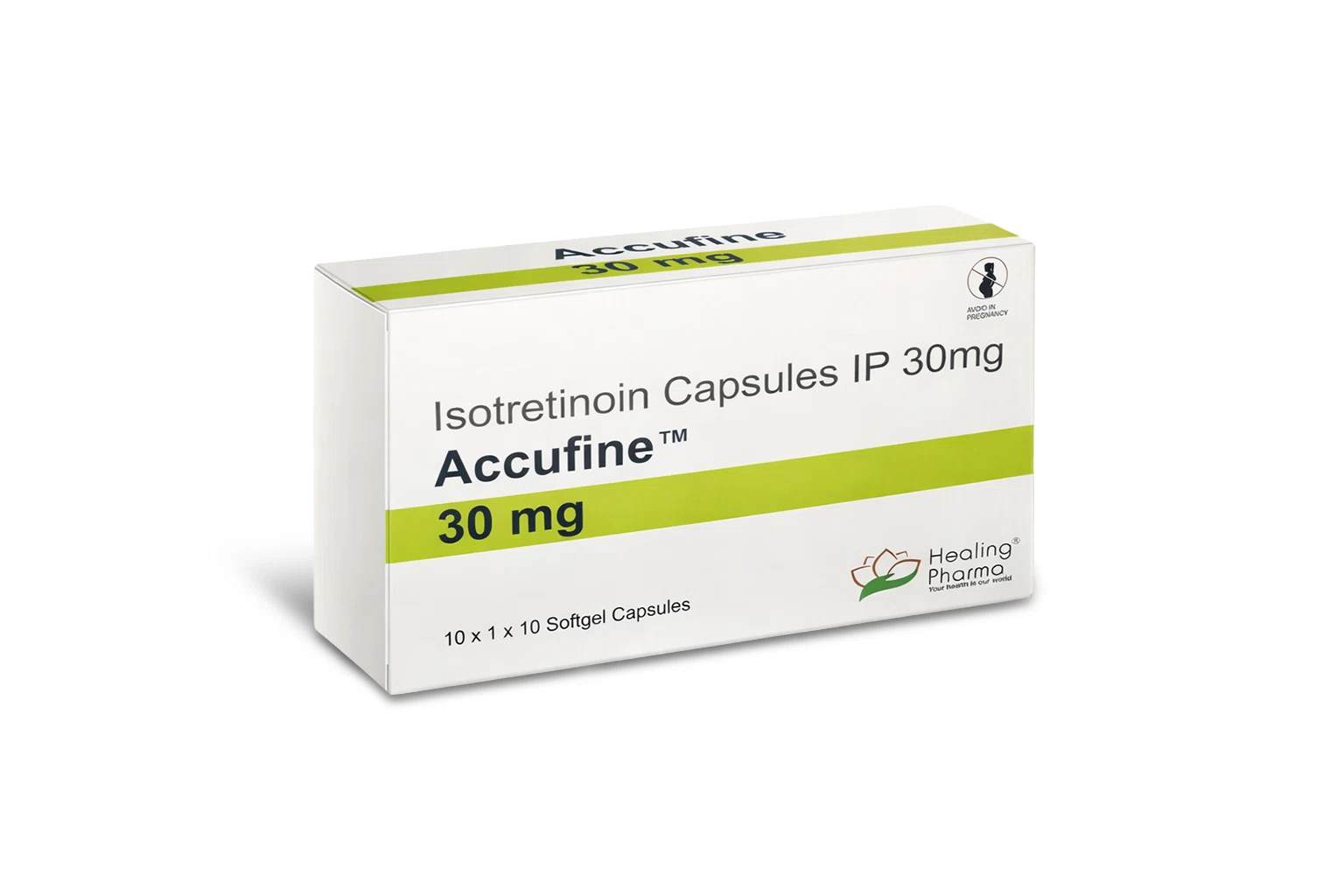
$24.00 – $72.00Price range: $24.00 through $72.00Rated 4.00 out of 5Shop Now This product has multiple variants. The options may be chosen on the product pageAccufine 30 Mg Capsule
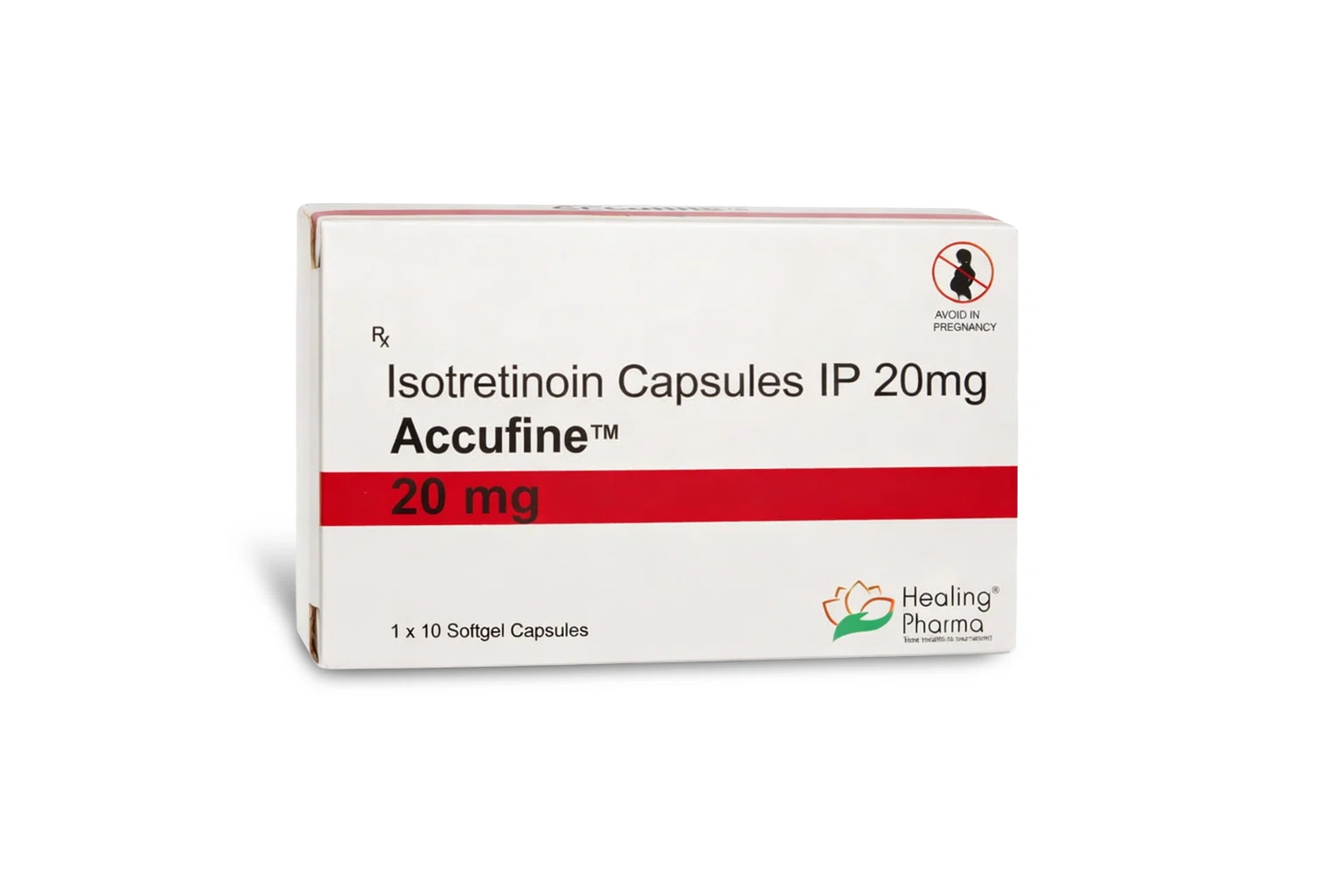
$42.00 – $168.00Price range: $42.00 through $168.00Rated 4.00 out of 5Shop Now This product has multiple variants. The options may be chosen on the product pageAccufine 20 Mg Capsule
$65.00 – $195.00Price range: $65.00 through $195.00Rated 4.00 out of 5Shop Now This product has multiple variants. The options may be chosen on the product pageIsotretinoin Mepha Solucaps 10 mg
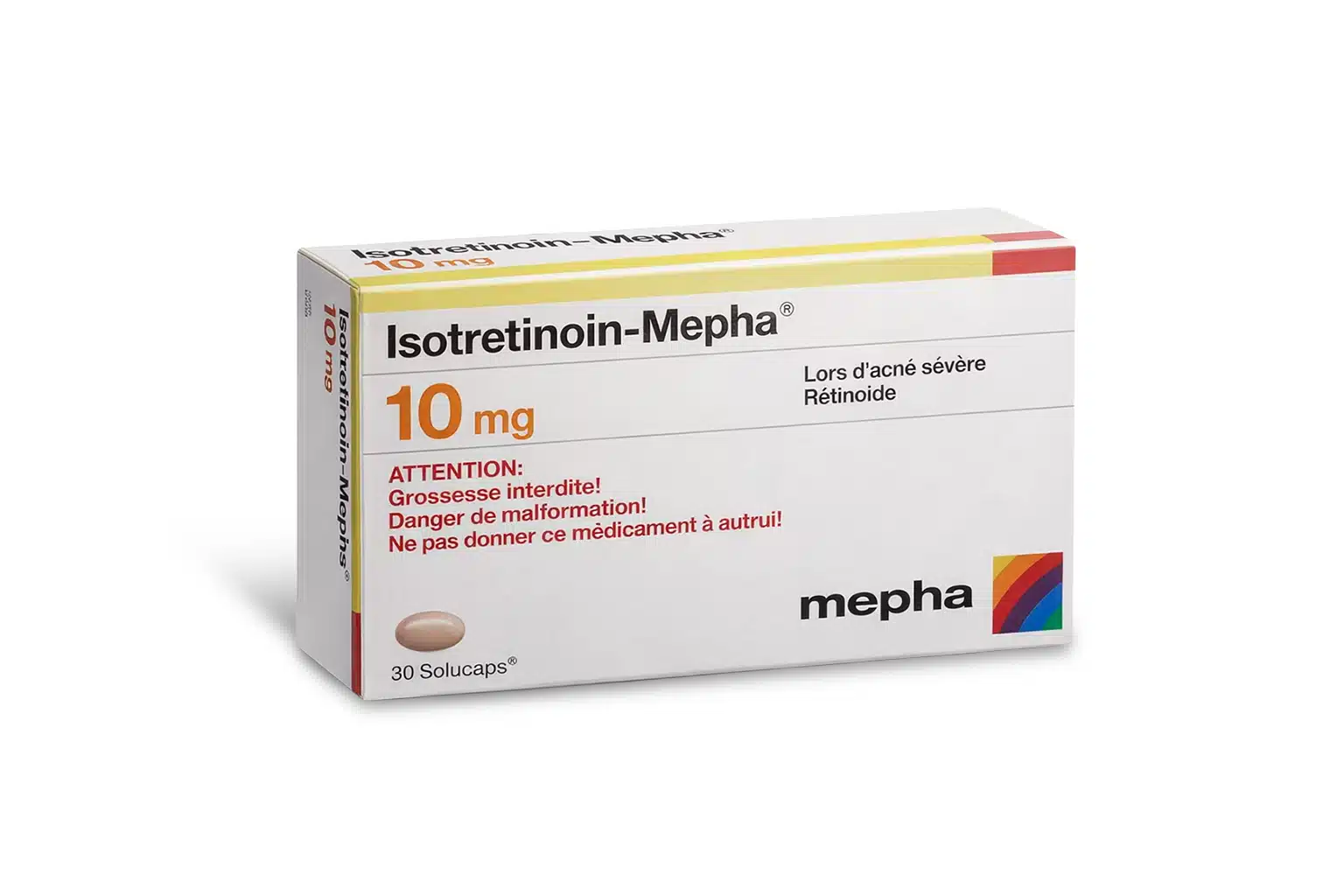
$38.00 – $126.00Price range: $38.00 through $126.00Rated 4.00 out of 5Shop Now This product has multiple variants. The options may be chosen on the product pageSotret 30 Mg Capsule
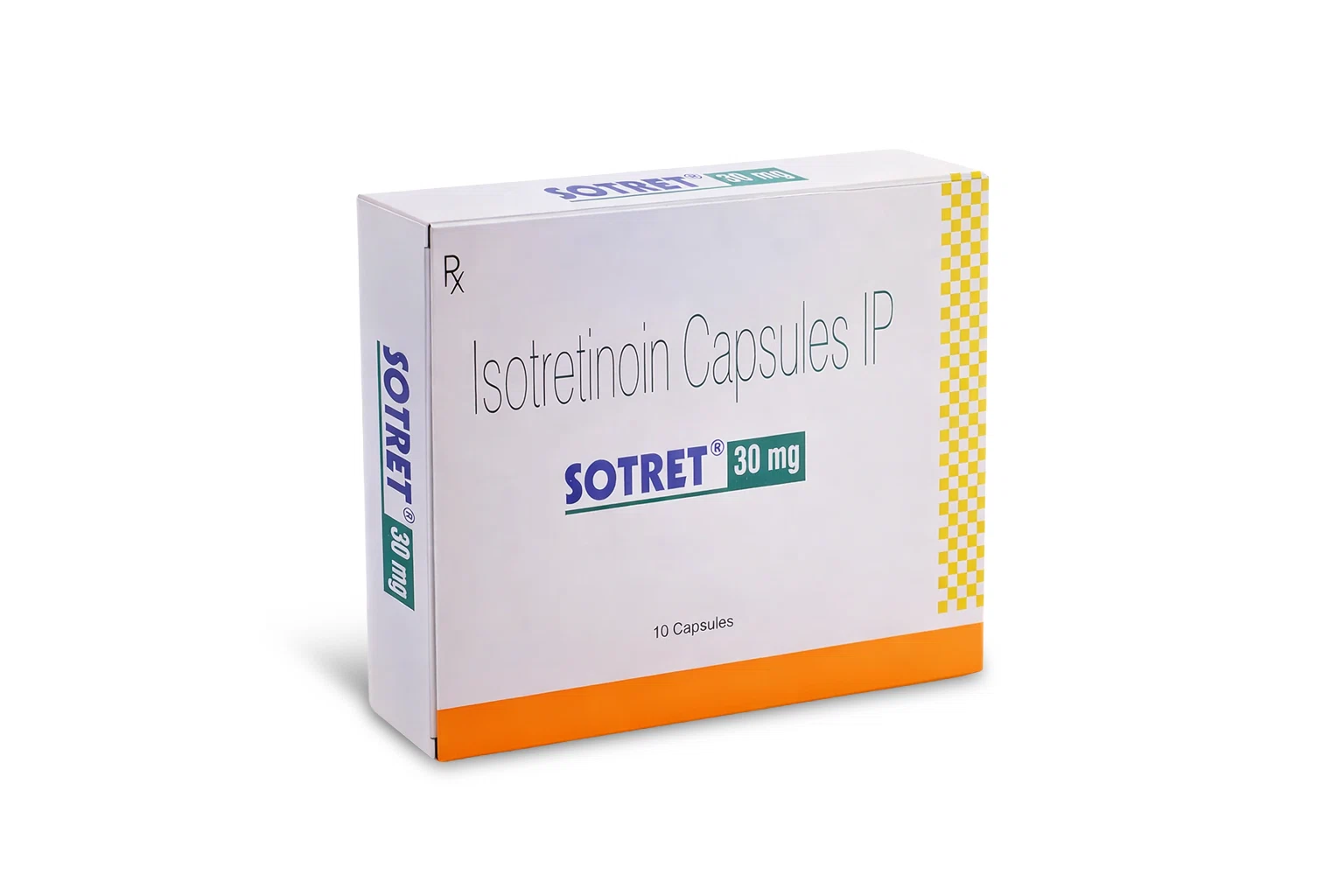
$28.00 – $83.00Price range: $28.00 through $83.00Rated 5.00 out of 5Shop Now This product has multiple variants. The options may be chosen on the product page
What Is Isotretinoin Used For?
Isotretinoin is primarily prescribed for severe nodular or cystic acne, especially cases that carry a high risk of permanent scarring or haven’t improved with antibiotics, topical retinoids, or other standard acne treatments. It’s typically reserved for more serious cases rather than mild or moderate acne, since it works systemically and carries a more significant side-effect profile than topical options.
Doctors may also consider isotretinoin for acne that keeps returning despite repeated courses of other treatments, or for acne that’s causing significant emotional or psychological distress. Because it addresses acne at its root cause rather than just managing symptoms, many patients experience long-term remission after finishing a full treatment course, which typically lasts several months.
How Does Isotretinoin Work?
Isotretinoin works by significantly shrinking the sebaceous (oil) glands in the skin, reducing the amount of oil they produce. Since excess oil is one of the main drivers of acne, this reduction alone can dramatically improve breakouts over the course of treatment. It also normalizes how skin cells shed inside hair follicles, preventing the buildup that leads to clogged pores.
Beyond its effect on oil production, isotretinoin has anti-inflammatory and antibacterial properties, helping calm existing breakouts while making it harder for acne-causing bacteria to thrive. This combination of actions, less oil, less clogging, less bacteria, and less inflammation, is what allows isotretinoin to produce more complete and longer-lasting results than treatments that only address one part of the acne process.
About Isotretinoin
| Feature | Details |
| Drug Class | Retinoid (Vitamin A derivative) |
| Active Ingredient | Isotretinoin |
| Therapeutic Use | Severe nodular or cystic acne, treatment-resistant acne |
| Dosage Form | Oral capsule |
| Main Action | Shrinks oil glands, normalizes follicle shedding, reduces inflammation and bacteria. |
Safety and Efficacy
Isotretinoin has strong clinical evidence supporting its effectiveness, with many patients achieving long-term or permanent acne clearance after a single course of treatment. It’s often regarded as the most effective option available for severe acne, though its effects on the body are broader than topical treatments, which is why ongoing monitoring is a standard part of care.
Common side effects include dry skin, dry lips, dry eyes, and joint or muscle discomfort, most of which improve after treatment ends. Less commonly, isotretinoin can affect liver function and cholesterol levels, so regular blood tests are typically scheduled throughout treatment. Mood changes have also been reported by some patients, making it important to discuss any emotional or psychological symptoms with a doctor during the course of treatment.
Precautions
Isotretinoin carries a well-documented risk of serious birth defects if taken during pregnancy, so it should never be used by anyone who is pregnant or may become pregnant during treatment. Reliable contraception is typically required for anyone who could become pregnant, and pregnancy testing is often part of routine monitoring throughout the course.
People with a history of liver disease, high cholesterol, or depression should discuss this with their doctor before starting treatment, since isotretinoin can affect these areas. Combining isotretinoin with tetracycline-class antibiotics should be avoided, as this pairing can increase the risk of a rare condition called pseudotumor cerebri (increased pressure around the brain). Skin can also become more sensitive to sunlight during treatment, so daily sunscreen and limiting sun exposure are generally recommended. Regular follow-up appointments and bloodwork are a standard part of safe isotretinoin use.