Fungal infections seem to pop up out of nowhere, like one day you notice that itchy patch of skin, and then a week later it’s this stubborn rash or a nail problem that just doesn’t clear on its own. And yeah, what can really catch people off guard is how easily certain fungal infections can pass between individuals, even when nobody is trying to spread anything. It is time to understand how do fungal infections spread. It’s a practical way to help protect yourself, your family, and anyone you’re in close contact with, especially since options like Canditz 200 mg Capsule can make treatment feel more manageable once an infection actually takes hold.
Table of Contents
ToggleThe Many Ways Fungi Find Their Way In
To understand how do fungal infections spread, it helps to remember that fungi are pretty tough little organisms. They can hang on in lots of places, from warm, moist skin folds to damp floors in public areas, like locker rooms. Usually, fungal infection transmission happens through direct skin-to-skin contact, indirect contact with contaminated surfaces or shared belongings, and, in some cases, through airborne spores that land on skin or get inhaled into the lungs. This mix of possible routes is a big reason fungal infections in humans stay common worldwide. Avoiding every potential source of exposure is basically impossible in everyday life.
Person-to-Person Contact: The Most Direct Route
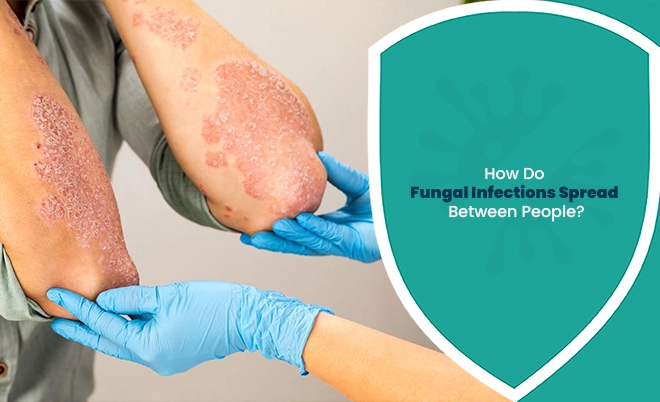
For contagious fungal infections, direct contact is one of the clearest ways it moves from one person to another. How do fungal infections spread? Like ringworm, athlete’s foot, and certain types of yeast infections can spread during activities with close contact, like contact sports, sharing a bed, or even quick casual touching when someone has active lesions. Since fungal spores and tiny fragments can linger on the skin’s surface for a while, even a short touch with an infected area can carry risk. That risk is higher when there are small cuts, abrasions, or spots that are more often moist, since those conditions give fungi a better chance to establish.
When Objects Become the Middlemen
Not all person-to-person fungal infections need direct contact. Shared towels, unwashed bedding, combs, hairbrushes, and clothing can pick up spores and hold onto them long after the last infected person used them. That’s how do fungal infections spread indirectly. Public areas with lots of foot traffic and ongoing moisture (like locker rooms, communal showers, swimming pool decks, and gym equipment spaces) are especially known for spreading skin fungal infections like athlete’s foot and jock itch. The reason is simple: fungi love warm, damp environments, which become a kind of incubator where spores linger and then get picked up by the next person who walks in barefoot or sits on contaminated surfaces.
It’s Not Just About People
How do fungal infections spread because of animals and the environment?. Pets carry ringworm and pass it along to their owners through direct contact. Contaminated soil is another recognized source of fungal exposure. That’s more relevant for certain fungal diseases that affect the lungs and respiratory system, rather than the skin-based infections most people think of. It really shows how wide fungal transmission pathways can be.
Who’s Most at Risk
Not everyone who’s exposed to fungal spores ends up with an infection. How do fungal infections spread because of a poor immune system? A healthy immune system and an intact skin barrier often fend off casual exposure. Warm, humid climates also raise the odds because fungi grow and survive better on skin and in the nearby environment. That’s part of why some people seem to deal with recurrent fungal issues while others rarely do, even with similar levels of exposure.
How Do Fungal Infections Spread: Warning Signs Early
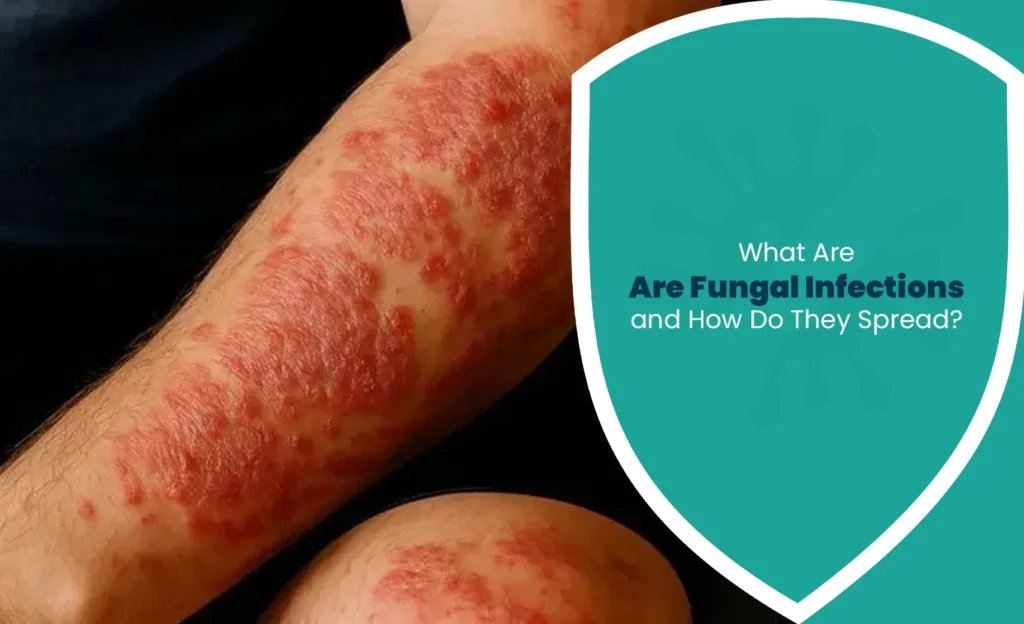
Spotting fungal infection symptoms early can help slow further spread to others. Many common fungal infections show up as red, itchy, scaly patches with a fairly clear border, sometimes ring-shaped, along with persistent itching between toes or in skin folds. Others show up as thickened, discolored nails. Some infections cause burning or mild pain, while others are mostly itchy with little discomfort. Since symptoms can resemble other skin conditions like eczema or psoriasis, identifying it properly matters. Sometimes that means a simple skin scraping or culture test. That way the right fungal infection treatment approach is chosen, rather than just guessing based on appearance alone.
How Do Fungal Infections Spread: Medical Support
After a fungal infection is confirmed, especially if it’s bigger, keeps coming back, or won’t budge with creams only, oral antifungal medication is often the most straightforward choice. Canditz 200 mg Capsule is a commonly recommended oral antifungal solution that acts systemically, meaning it moves through the bloodstream and goes after fungal cells all over the body, not just on the surface of the skin. That detail makes it especially helpful when nails are involved, when wider skin areas are affected, or when topical treatments didn’t quite finish the job. How long treatment lasts can shift based on the kind of infection and how severe it is. Still, finishing the full prescribed course matters a lot, even when symptoms start looking better. Stopping early can leave leftover fungus behind, and then it may return or spread to other people in the household.
Breaking the Chain of Transmission
Preventing fungal infections is basically a combination of personal hygiene and smarter choices around the environment. You now understand how do fungal infections spread. Now it is time to understand how to stop these. Keeping skin clean, and also fully dry, especially in spots that get sweaty like feet, groin, and underarms, helps remove the damp conditions fungi love. Don’t share personal items such as towels, socks, shoes, and hairbrushes, because that kind of indirect sharing raises the risk of transmission a lot. In communal showers and locker rooms, wearing sandals or shower shoes adds a simple protective layer when exposure chances are higher. If you have pets, it’s also smart to have them checked and treated promptly if ringworm is suspected so it doesn’t hop between animals and people in the same home. And once someone is already diagnosed, prompt antifungal treatment, plus basic measures like washing bedding and wiping shared surfaces with disinfectant, helps protect both the infected person and everyone nearby.
Final Thoughts: Staying One Step Ahead of Fungal Spread
Fungal infections are common, and people need to realize how do fungal infections spread faster than people expect. but they’re generally manageable when you understand how spread works and who’s more likely to get them. Catching symptoms early, keeping up with good hygiene, and using the right treatment when needed (like Canditz 200 mg Capsule in appropriate cases) allows most people to clear the infection and reduce the odds of passing it to family, teammates, or anyone they closely share space with.
FAQs
1. Can a fungal infection spread just from sharing a towel?
Yes. This is why indirect transmission by sharing belongings is a common route even if direct contact of skin doesn’t actually take place.
2. Are all fungal infections contagious?
Not all of them. Ringworm and athlete’s foot are usually considered highly contagious, but other fungal issues (some tied to internal overgrowth or certain environmental exposures) aren’t typically passed from person to person in the same way.
3. Why do people get fungal reinfections?
People get reinfected because of poor immunity systems, staying in contaminated soil, and do not maintaining hygiene with their pets. As a result, infection spreads easily.
4. Do you need to use oral treatment instead of topical cream?
Oral antifungal treatment can be used when creams cannot cure infections. Canditz 200 mg Capsule is recommended to treat fungal infections.
5. Do pets spread fungal infection?
Yes, they can. Pets carry ringworm and pass it to humans directly.