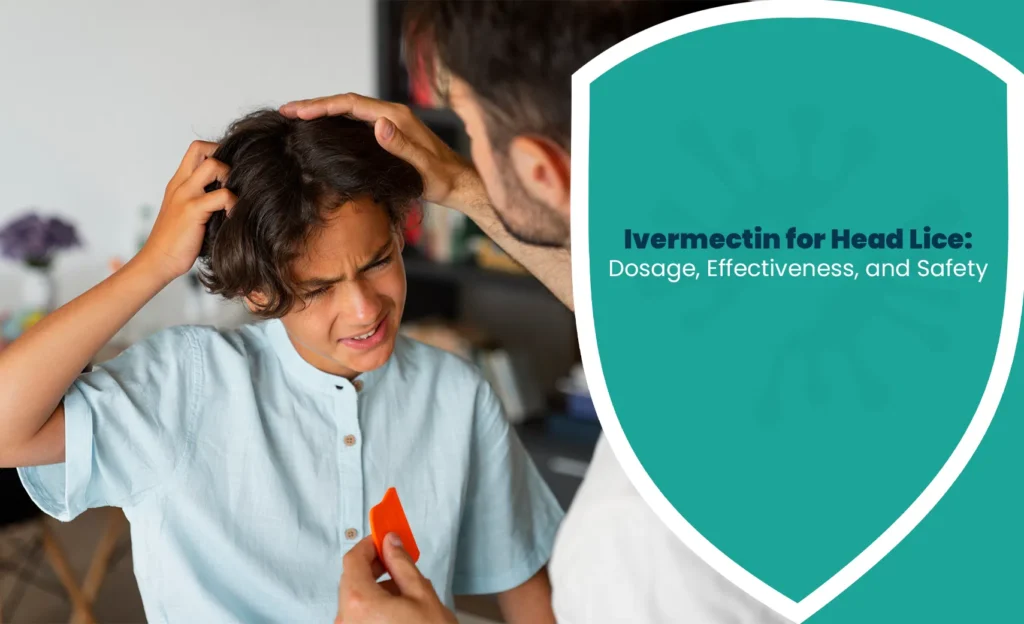
Head lice have a way of turning ordinary weeks into quiet emergencies.
Table of Contents
ToggleA kid scratches during dinner. A teacher sends a polite but ominous email. Someone Googles symptoms at 1:14 a.m., hoping it’s dry skin. I’ve covered health stories for years, and very few conditions trigger the same mix of embarrassment, urgency, and exhaustion.
What surprises most people is not how common lice are – it’s how stubborn they can be.
And that’s usually when ivermectin enters the conversation. More specifically, oral options like Iversun 12 mg begin to surface when shampoos and combs stop doing the job.
This isn’t about panic fixes or shortcuts. It’s about understanding when ivermectin makes sense for head lice, how dosing is determined, and what safety actually looks like beyond internet noise.
Why head lice don’t behave the way we expect
Lice aren’t dangerous, but they are persistent.
They live close to the scalp, feed frequently, and lay eggs that are annoyingly resilient. Many standard treatments kill live lice but leave eggs untouched, which is why parents often feel trapped in a loop. Treat. Clean. Repeat. Still itching.
Dermatologists have quietly acknowledged another issue too: resistance. Some lice populations no longer respond well to older topical agents, a problem discussed more broadly in pieces like Why Some People Get Recurrent Skin Infections Every Winter and Common Mistakes People Make When Treating Scabies – different conditions, same biological frustration.
This is where oral ivermectin starts being discussed, not as a first choice, but as a strategic one.
How ivermectin actually works against lice
Unlike topical treatments that act on contact, ivermectin works systemically.
Once taken, it circulates in the bloodstream and reaches skin tissues. When lice feed, they ingest trace amounts of the drug, which interferes with their nervous system. They become paralyzed and die. Eggs may still hatch – but the newly hatched lice don’t survive long enough to reproduce.
That mechanism is why doctors sometimes turn to Iversun 12 mg when infestations keep returning despite proper topical use.
If this sounds similar to how ivermectin works in other parasitic conditions, that’s because it is. The same principle is explored in articles like How Ivermectin Works: Mechanism of Action Explained Simply and Antiparasitic Medication for Humans: Uses & Safety Tips.
When oral ivermectin enters the treatment plan
Despite what social media suggests, doctors don’t prescribe oral ivermectin casually.
It’s typically considered when:
- Multiple topical treatments have failed
- Reinfection keeps happening within families
- The person can’t tolerate scalp treatments
- Compliance with topical regimens has broken down
In those scenarios, Iversun 12 mg may be discussed as part of a supervised plan – often alongside advice found in guides like Head Lice Treatment That Actually Works in 24 Hours or Treatment for Head Lice and Nits (Eggs).
It’s not about escalation. It’s about changing tactics.
Dosage isn’t guesswork – and that matters
One of the most dangerous myths around ivermectin is that dosing is simple.
It isn’t.
Dosage is usually calculated by body weight and may involve a repeat dose days later to target lice that hatch after the first round. This timing aspect is similar to protocols discussed in Ivermectin Dosage Guide: How Much to Take by Weight and Condition.
That’s why Iversun 12 mg should never be treated as a one-size-fits-all solution. What’s safe and effective for one person may be inappropriate for another – especially for children.
Self-dosing is where problems start, not where they end.
Effectiveness in the real world
Does oral ivermectin work for head lice?
In treatment-resistant cases, yes – and often very well.
Clinical experience shows high success rates when dosing is correct and when environmental steps are taken seriously. Bedding, brushes, hats, and close contacts matter just as much as the pill itself.
When used correctly, Iversun 12 mg has helped break cycles that felt endless for families – something also echoed in broader parasite discussions like The Complete Guide to Antiparasitic Medications: Types, Uses & Effectiveness.
But medication alone isn’t the hero. Coordination is.
Safety: what people worry about vs what actually happens
Ivermectin’s reputation has taken a beating online, but the medical reality is far calmer.
Used appropriately, it has a long safety record. Most side effects are mild and temporary – headache, dizziness, nausea, or fatigue. In some cases, symptoms reflect the body responding to dying parasites rather than toxicity.
Serious side effects are rare when guidelines are followed. That’s why Iversun 12 mg is intended for informed use, not experimentation – a point emphasized in pieces like Ivermectin Side Effects: Common, Rare, and When to Worry and What Happens If You Take Too Much Ivermectin?.
A quick personal reflection
After years of health reporting, I’ve noticed something consistent: lice aren’t just a medical issue. They’re a social one.
Parents feel judged. Adults feel embarrassed. Kids feel singled out. That emotional pressure often leads people to overtreat, undertreat, or panic-treat.
When oral therapy like Iversun 12 mg finally works, the relief people describe isn’t dramatic – it’s quiet. The scratching stops. The anxiety fades. Life resumes.
That matters.
Why oral ivermectin isn’t for everyone
It’s important to say this clearly: oral ivermectin isn’t always necessary.
Many cases respond perfectly well to topical treatments when used correctly. Oral options are usually only used for stubborn, recurring cases, not for convenience.
Doctors weigh the pros and cons, just like in discussions like “Why Self-Medicating for Parasites Can Be Dangerous” and “Can You Buy Ivermectin Online Safely?”
When that balance tips, Iversun 12 mg becomes a reasonable next step – not a shortcut.
Final thoughts
Head lice are common. Annoying. Emotionally exhausting. But they are manageable.
Ivermectin has earned its place as a second choice when standard treatments don’t work. When used correctly, it helps people break out of cycles that seem to go on forever.
When given carefully, Iversun 12 mg isn’t too much; it’s the right amount to solve the problem.
And sometimes, that’s all people want: for the itching to stop, the worry to go away, and life to go back to normal.
FAQs
1. How do I know when head lice treatment has actually failed?
This is trickier than people expect. A lot of itching after treatment isn’t lice at all – it’s irritation, dry scalp, or just nerves. True treatment failure usually looks like new live lice several days after proper treatment, not just leftover itching. If you’re still finding moving lice a week or two later, especially after repeating treatment correctly, that’s when doctors start reassessing the approach.
2. Is oral ivermectin really necessary for head lice?
In many cases, no. Plenty of infestations clear up with topical treatments when they’re used properly and repeated at the right time. Oral ivermectin is usually considered when those options fail, when reinfestation keeps happening, or when topical treatments simply aren’t practical or tolerated. It’s less about “stronger medicine” and more about using a different strategy.
3. Can ivermectin kill lice eggs, or just live lice?
This is a common source of confusion. Ivermectin works by messing up the nervous system of live lice. It doesn’t reliably kill eggs directly. The reason it still works well is that newly hatched lice can’t survive long enough to mature and reproduce. That’s also why timing – and sometimes a repeat dose – matters so much.
4. What side effects should I realistically expect?
Most people don’t feel anything at all. Most of the time, side effects are mild, like a headache, lightheadedness, nausea, or feeling tired for a day. These symptoms usually go away on their own. When the dose is right, serious reactions are rare. This is why it’s so important to get medical advice. When people self-dose or take more than they should, problems tend to happen.
5. Why do lice keep coming back even after treatment works?
Because lice are sneaky, and humans are social. Reinfestation often happens through close contact, shared bedding, hats, brushes, or untreated household members. Treating one person without checking others is one of the most common reasons lice return. Medication can clear the infestation – but coordination and follow-through are what keep it gone.