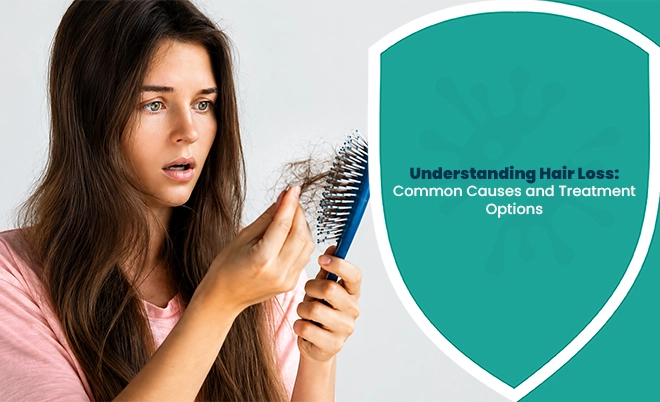
Catching a few extra strands on your pillow or noticing your part looking a bit wider than it used to can set off a worry wave that is, honestly, hard to shake. Hair fall or loss is one of those things that feels strangely personal, but also it’s one of the most usual concerns people bring to dermatologists, affecting men and women of nearly all ages. The bright side is that hair loss is understood much more now than before, and treatment options (like Rogaine Men’s 5% Minoxidil Foam) give people a real, science-guided way to respond instead of just standing there and worrying.
Table of Contents
ToggleThe Many Faces of Thinning Hair
Before you jump into any fix, it helps to sort out what causes hair loss in the first place, because the causes are way more mixed up than most people expect. Genetics tends to be the biggest factor in many cases, especially in what’s called androgenetic alopecia, a hereditary style where hair follicles gradually shrink over time as hormonal signals nudge them. Beyond that, hormone shifts (during pregnancy, menopause, or thyroid problems) can lead to more noticeable shedding. Then there are nutritional gaps, like low iron, low vitamin D, or not enough protein, which can be a frequent reason too, since hair follicles seem to react strongly to overall nutrition. Stress over the long haul, some medications, autoimmune issues such as alopecia areata, and even tight hairstyles that keep constant tension on the scalp all can contribute to thinning in overlapping ways.
When Hair Loss Looks Different in Men
Hair loss in men usually follows a familiar pattern. It often starts as a retreating hairline around the temples, then thinning shows up more and more at the crown, and if it’s not addressed, it can eventually connect across the top. This is largely influenced by dihydrotestosterone (DHT), a hormone that slowly shrinks hair follicles that are genetically prone to that effect. Because it tends to progress over years, rather than suddenly showing up, it’s also one of the more well-mapped-out types of hair fall. And since it’s so studied, there’s long-standing research behind the treatments that can slow down worsening and, for many people, support meaningful regrowth.
When Hair Loss Looks Different in Women
Hair loss in women often shows up differently. Instead of a clear receding hairline or neat bald spots, it’s more often diffuse thinning across the top and crown. This type of pattern is frequently tied to hormonal swings, genetics, or things like postpartum shedding and thyroid dysfunction. It can feel extra frustrating too, because the cause can be harder to pin down, and this can be less predictable. Since women’s hair thinning may involve a wider range of triggers, from shifts due to birth control to iron deficiency, getting evaluated properly is especially helpful for identifying the right combination of treatments and day-to-day changes.
Medical Support: A Trusted Regrowth Solution
One of the most established hair loss treatments is Rogaine Men’s 5% Minoxidil Foam, and it’s become a common go-to that many dermatologists point people toward due to its accessibility and strong, proven results. This topical hair regrowth treatment helps by boosting blood flow to hair follicles and by extending the hair cycle growth phase, so thinning follicles have more time to produce thicker strands before they shed again. You apply it directly to the scalp, usually once or twice daily. The foam also tends to soak in easily, and it generally doesn’t leave hair looking greasy or weighed down, which makes it easier to stick with in a daily routine.
Staying consistent is the real key to hair growth solutions. Most people don’t notice changes overnight, and it usually takes around four to six months of regular use before hair density and thickness look different. Also, if you stop using it, the improvements may fade over time, because it supports the follicles actively rather than permanently changing how they grow. For men dealing with early-to-moderate thinning, adding Rogaine Men’s 5% Minoxidil Foam to a daily routine is often one of the most accessible, evidence-based routes toward fuller-looking hair. It is recommended to consult with a healthcare provider before taking this foam.
Exploring the Full Range of Treatment Options
Minoxidil is a major hair loss treatment; it can work best when part of a larger plan, not as a lone solution. Oral pharmaceutical options exist too. For men, finasteride can block the hormone pathway that drives follicle shrinkage, and it’s sometimes used alongside topical treatments for a more complete strategy. Other possibilities include low-level laser therapy devices, platelet-rich plasma injections, and for more advanced situations, hair transplant procedures. Which combination makes the most sense depends on what’s causing the huge hair fall, how extensive it is, and what people care about most: convenience, cost, and expected outcomes. That’s why checking in with a dermatologist for a custom plan usually leads to better results than trying to do a one-size-fits-all approach on your own.
Supporting Your Hair the Natural Way
Alongside medical treatments, a lot of people ask how to manage hair loss naturally, and yes, lifestyle changes rarely pull off a full reversal for major genetic hair fall or loss, but they can still help hair health and really work as a companion plan. Eating in a balanced way, with protein, iron, zinc, and biotin, gives hair follicles those key building materials they need to do their job. On the stress side, regular exercise, getting enough sleep, and some sort of relaxation practice can help cut down stress-related shedding, because chronic stress is a known trigger for temporary shedding styles, like telogen effluvium. Also, gentle hair habits matter, like skipping super tight hairstyles, using less heat styling, and grabbing a wide-tooth comb when the hair is wet. That can prevent extra breakage, and then thinning can look less dramatic than it would otherwise.
Conclusion: Taking the First Step Toward Fuller Hair
Hair fall or loss can feel super isolating, but it’s honestly common, and there are lots of solutions that have been well studied today. Whether the reason is genetic, hormonal, nutritional, or stress-related, figuring out what is actually driving your particular kind of thinning is the first move toward picking the right approach. For many people, especially those spotting early pattern hair loss, starting with a dependable, accessible option like Rogaine Men’s 5% Minoxidil Foam and pairing it with supportive lifestyle habits can be a realistic way to move toward thicker, healthier-looking hair little by little.
FAQs
1. When does does Rogaine Men’s 5% Minoxidil Foam start working?
It is about four to six months to see visible changes in hair. Everyone’s timeline is different, and you usually need to keep using it to keep the benefits going.
2. What’s the big deal about men and women’s hair loss?
In men, hair fall or loss often shows up in a more recognizable pattern, starting at the hairline and the crown. In women, it’s more often diffuse thinning across the top of the scalp rather than a receding hairline or clearly defined bald spots.
3. Can stress really cause hair loss?
Yes, chronic stress triggers telogen effluvium. This impacts hair follicles. Usually this kind of hair fall or loss can improve after the stressor is handled.
4. Are natural remedies enough to treat hair loss on their own?
For genetic or hormonal hair loss, natural approaches alone are generally not enough, though they can support overall hair health and also help medical options like topical minoxidil work better. Using both together tends to produce the strongest overall results.
5. What will happen if you stop using minoxidil suddenly?
If you do this, your hair growth stops. Your hair follicles become weak. As a result, hair loss starts again.