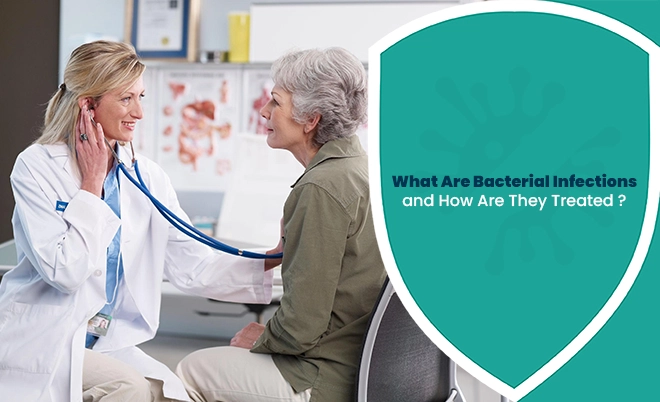
So I keep seeing people confuse bacterial infections with viral ones, and honestly, I get why. Symptoms overlap a lot. Fever, fatigue, and a general “something’s off” feeling that makes you want to just crawl into bed and hope it passes. But the treatment path is completely different, so mixing them up matters more than people realize: you either waste antibiotics on something they can’t touch, or you let an actual bacterial infection sit around getting worse. At the same time, you wait it out with tea and rest.
Table of Contents
ToggleLet’s just get into it.
Okay but what even are bacterial infections
Bacterial infections happen when the bad kind of bacteria, not the gut-friendly ones, get into your body and start multiplying somewhere they shouldn’t. Could be your throat, skin, lungs, urinary tract, or wherever really. Bacteria are opportunists. Give them a warm, moist environment and a way in, and they’ll set up shop.
Not all bacteria are enemies btw. Your body’s covered in them, inside and out, and most are harmless or even helpful for digestion, immune signaling, and skin protection. It’s when the wrong strain multiplies too fast, or a normally harmless strain ends up somewhere it doesn’t belong, that you end up with an actual infection. A perfectly normal gut bacterium can become a real problem if it migrates into the bloodstream or urinary tract, for example. It’s less about “good bacteria vs bad bacteria” and more about the right bacteria in the wrong place.
How bacterial infections spread (more ways than you’d think)
This part surprises people. Bacterial infections spread through touch, coughing, contaminated food, dirty water, and even shared towels sometimes. Doorknobs, gym equipment, phone screens anything that gets handled a lot and cleaned rarely is fair game. Hospitals are a big one too, that’s where a lot of resistant strains hang around, partly because so many people with weakened immune systems are in one place, and partly because heavy antibiotic use in those settings pushes bacteria to evolve resistance faster.
Sometimes it’s just bad luck. A small cut, bacteria get in, boom, infection. The same goes for something like a bug bite you scratch too much, or a blister that pops at the wrong time. The skin is a pretty good barrier until it isn’t. Food and water-borne bacterial infections are their own category too, like undercooked meat, unwashed produce, or water that hasn’t been properly treated. Those tend to hit the gut specifically, causing the kind of stomach bug that’s more bacterial than viral, even though people usually just call it “food poisoning” and leave it at that.
Signs of bacterial infection and yeah they vary a lot
There’s no single symptom checklist that works for everything, because a bacterial infection in your lungs looks completely different from one in your skin or urinary tract. But some patterns show up again and again:
Fever that doesn’t go away in a day or two. Localized pain or swelling, meaning it’s concentrated in one spot rather than an all-over ache. Pus or discharge (sorry, but it’s true it’s actually a decent indicator). Feeling worse instead of better after a few days of what seemed like a regular cold.
Bacterial infections in adults sometimes look mild at first, like a sore throat, then suddenly spike into something worse. That escalation is usually the tell. A cold that seems to be improving and then does a U-turn around day 5 or 6, with a new fever or new pain showing up, is a classic sign that something bacterial has moved in, often as a secondary infection riding in on the back of a virus that weakened your defenses.
Types of bacterial infections you’ll probably run into
Strep throat. UTIs. Skin infections like cellulitis. Sinus infections that just won’t quit. Ear infections in kids (and sometimes adults too, annoyingly). Bacterial pneumonia, which can follow a bad cold or flu. Bacterial bronchitis. Even some cases of pink eye are bacterial rather than viral, which is why some clear up with drops and others just need to run their course.
Some bacterial infections stay local, meaning they stick to one area and cause trouble there. Others spread if untreated, moving into the bloodstream or nearby tissue and turning a manageable problem into something that needs urgent care. That’s the scary part, honestly, the line between “annoying” and “serious” with bacterial infections can move fast if nothing’s done about it.
How to identify a bacterial infection vs just… being sick
Doctors usually look at symptom pattern plus duration rather than any one single sign. Viral stuff tends to peak and fade in 5-7 days, following a fairly predictable curve. Bacterial infections often get worse instead of better, or they start after a virus was already improving, like a secondary infection creeping in once your immune system is already worn down from fighting something else.
Testing helps confirm things when it’s not obvious just from symptoms throat swabs for strep, urine cultures for UTIs, and blood work when something more systemic is suspected. None of these are meant to replace common sense, but they take the guesswork out of what’s actually going on and, just as importantly, what specific bacteria is involved, which matters for choosing the right treatment.
When things get concerning
If the fever crosses 102°F, if pain is intense, if there’s swelling spreading fast, or if you’re just not improving after several days, that’s usually when it’s time to stop guessing and get checked. Trying to power through a worsening infection rarely ends well, and it’s a lot easier to treat something early than after it’s had time to dig in.
Also, don’t wait too long with kids or elderly folks, or anyone with a weakened immune system, for that matter. Bacterial infections escalate quicker in fragile immune systems, since there’s less natural defense keeping things contained. What might be a minor inconvenience for a healthy adult can turn serious a lot faster in someone whose body isn’t as equipped to fight back.
Okay, treatment this is the part everyone actually wants
Most bacterial infections are treated with antibiotics. Not always though; some minor ones clear up with rest and hydration since the immune system can handle it solo. But once bacteria are actively multiplying and causing real symptoms, antibiotics usually come into the picture, because unlike viruses, bacteria are things antibiotics can actually target and kill or stop from reproducing.
One commonly prescribed option is Azithromycin 250 mg especially for respiratory infections like bronchitis or certain throat and sinus infections. It’s popular because the dosing schedule is shorter compared to some other antibiotics which honestly helps people actually finish the course instead of stopping halfway (a huge problem btw).
Doctors pick antibiotics based on what bacteria they suspect, sometimes confirmed through cultures. Azithromycin 250 mg specifically gets used a lot for community-acquired infections where a broad-spectrum option makes sense.
Prevention is not glamorous but works
Washing hands (yeah, the boring advice, but it’s true, and it’s boring because it works). Not sharing personal items like towels, razors, or water bottles. Keeping wounds clean and covered so bacteria don’t get an easy entry point. Finishing prescribed antibiotics even if you feel better on day 2, because stopping early is basically training bacteria to resist treatment next time.
Basic stuff like cooking meat thoroughly, washing produce, and not drinking questionable water covers a lot of the food and water-related risk too. None of this is exciting, but it’s the difference between dealing with the occasional infection and dealing with one constantly.
Why finishing the antibiotic course actually matters
This bugs me honestly; people feel better after 2-3 days and just… stop taking the medicine. The problem is that “feeling better” doesn’t mean every bacterium is dead, just that enough of them are gone for symptoms to ease up. Then the bacteria that didn’t die yet build resistance, since the survivors are often the hardier ones. That’s part of why antibiotic resistance is becoming such a mess globally, and it’s a slow-building problem that gets worse every time someone quits a course early.
A quick note on self-diagnosing
Please don’t just assume every sore throat needs antibiotics. A lot of infections are viral, and antibiotics do nothing for those; they only work on bacterial infections, not viral ones. Using them unnecessarily just adds to resistance problems and can mess with your gut bacteria for no real benefit. When in doubt, a quick check with a doctor is worth more than guessing based on symptoms alone.
FAQs
- What are bacterial infections?
Infections caused by harmful bacteria multiplying in the body often need antibiotics to clear.
- How to identify a bacterial infection?
Worsening symptoms, localized pain and fever lasting more than a couple of days are usually signs.
- How are bacterial infections treated?
Mostly antibiotics. Sometimes rest and fluids if they are mild.
- When should I see a doctor for a bacterial infection?
If it’s a high fever, if the pain is spreading or if symptoms are not improving after a few days.
- Can bacterial infections spread to others?
Yes, many of them are spread by contact, by coughing or from contaminated surfaces.