For most people, fungal infections are a minor inconvenience: a discolored toenail, a bout of yeast infection, or athlete’s foot. However, medical scientists are now beginning to refer to them as a big and largely ignored health issue worldwide. Much more than most people would think. Around 1 billion people are infected by fungi worldwide annually, and millions of cases are life-threatening. This blog provides an overview of fungal infection statistics, common fungal infections, and who they are most likely to affect, along with how to prevent fungal infections.
Table of Contents
ToggleThe Numbers Behind a Quiet Crisis
The numbers are staggering, although they are an estimated range. The infections of skin, hair, and nails are believed to be some of the common fungal infections worldwide, affecting about one billion persons. How common are fungal infections? In 2024, approx 6.5 million severe cases and approximately 3.8 million deaths per year, along with fungi, directly cause approx 2.5 million of these deaths. That makes fungal disease on par with the likes of tuberculosis and malaria. despite this, there are no diagnostic labs in many countries, and these infections are not routinely monitored, so the incidence is likely much greater.
From Itchy Rashes to Life-Threatening Illness
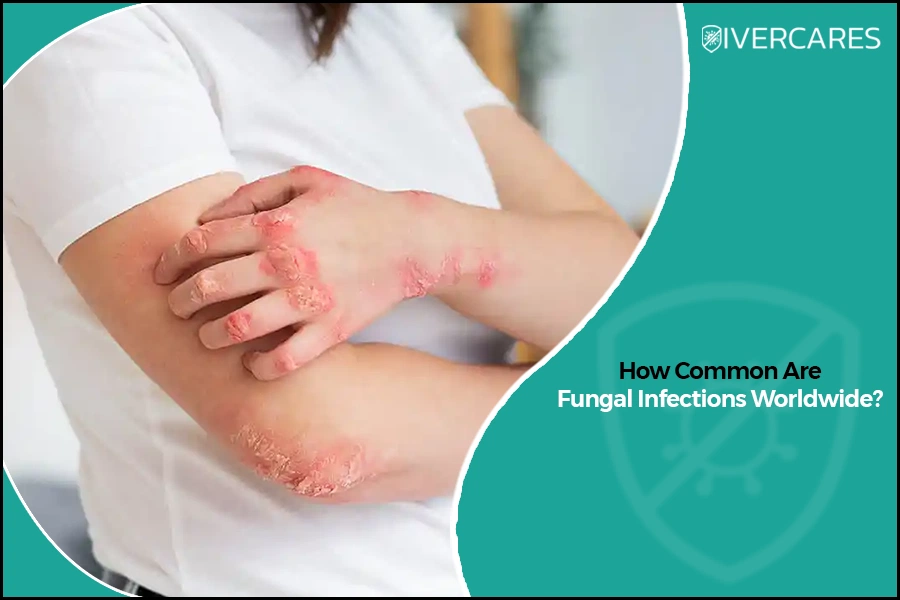
There are several types of fungal infections, including superficial fungal infections, which remain on or near the surface of the body. These include ringworm, athlete’s foot, jock itch, nail fungus, and oral as well as vaginal thrush. They are an itchy, unsightly problem that can be recurrent but is not usually potentially life-threatening.
By contrast, invasive mycosis infections lead to entry into the bloodstream or deep organs. They involve candidemia, aspergillosis, cryptococcal meningitis, histoplasmosis, pneumocystis pneumonia, and mucormycosis. Without treatment, these are very dangerous and lethal. Candida, Aspergillus, and dermatophytes cause skin and nail disease.
Where They Come From
The causes of fungal infections can be explained. Fungi are found in the soil, decaying plants, and in the air and on human skin. Spores can be inhaled and come into contract with contaminated surfaces or be transferred from a contaminated human or animal. Candida normally reside on your body without causing any harm but become problematic when they overgrow as a result of antibiotics, hormonal changes, or elevated blood sugar. Warm, moist environments like sweaty shoes, damp towels, and humid weather promote growth. Most mycosis infections start with normal exposure and the proper conditions or a susceptible host.
Who Faces the Greatest Risk
A mild infection may affect anyone, while those who develop severe illness are confined to a smaller group. Who is at risk of fungal infections? People who are suffering with advanced HIV, cancer in the process of chemotherapy, organ transplant patients, stem cell transplant recipients, those who take long-term steroids, poorly managed diabetes, premature infants, older adults, and patients in intensive care units with catheters or broad-spectrum antibiotics.
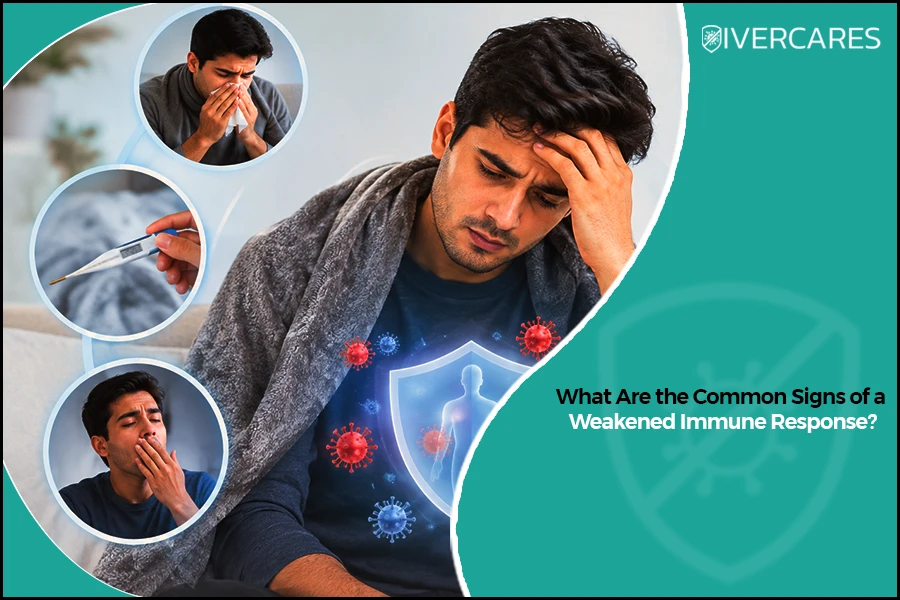
There is a connection between fungal infections and weak immunity. Normally fungi are kept in check by a healthy immune system, but in the event of a weakened immune system, an innocuous colonizer can develop into an invader. Evident during COVID-19 when some patients became infected with secondary aspergillosis and mucormycosis in some countries.

A Map of Fungal Threats
Mycosis infections by region are geographically and climatically determined by local health systems. This can be addressed as the global burden of fungal infections. Cryptococcal meningitis and histoplasmosis are associated with HIV in sub-Saharan Africa. Histoplasmosis and paracoccidioidomycosis are seen in Latin America. Coccidioidomycosis (Valley fever) is becoming a problem in the southwest United States, and blastomycosis in the Midwest. Talaromycosis is a problem in Southeast Asia, and mucormycosis has been reported with high rates in India. There is also an increased incidence of skin and nail disease in tropical and humid regions. Candida auris, a drug-resistant type of yeast, has been found to spread in hospitals across multiple continents. A regional pattern indicates that these infections are a problem around the world but influenced by local circumstances.
Why the Problem Is Growing
There are several indications of rising fungal infections. As more and more people with immune deficiencies live longer, more are being exposed. Climate change seems to be increasing some fungi’s ranges and allowing others to withstand higher temperatures. Agricultural fungicides have led to environmental fungi becoming resistant to similar chemicals, such as Aspergillus azole-resistant fungi; there is a growing trend of antifungal resistance. Testing also brings up more cases that were previously not identified. In 2022, the World Health Organization released its first list of fungal priority pathogens, indicating that mycosis infections should be treated like bacterial infections.
Simple Ways to Lower Your Risk
The first step to fungal infection prevention is daily habits. Maintains hygiene and dryness of skin in skin folds, between toes, etc. Change socks and underwear every day, and wear sandals in public showers and pools, and do not share towels, razors, or combs. Pets with flaky fur should be examined, as they can transmit ringworm. Take all antibiotics and steroids as directed, control blood sugar levels (if applicable), and follow your healthcare provider’s recommendations for any prevention medications that may be used for antifungals (if you are high risk). A tightly fitting mask will help minimize the number of spores inhaled if the soil is dusty, during construction, or in a cave environment. The steps taken help to prevent fungal infections from fingernails to life-threatening lung disease.
When to Get Help
In most people, the symptoms can be resolved with home remedies such as antifungal medications. However, it is vital to understand when to see a healthcare provider for a fungal infection. Forcan 50 is used for fungal and yeast infections such as vaginal candidiasis, oral and throat thrush, cryptococcal meningitis, and systemic candida infections. This medication blocks ergosterol synthesis and stops the fungus from growing. If you have a high-risk factor and notice fever, a worsening cough, chest pain, or trouble breathing that doesn’t improve with antibiotics, you should be checked out quickly. Emergency care is required for severe headache, stiff neck, confusion, or sudden vision changes. The earlier the diagnosis is made, the better the outcomes will be with these infections regardless of severity.
Brief To Conclude
But what is the extent of the issue? The population grows; it is big, and it is still being undercounted. Fungal infections occur in all regions and age groups, ranging from a billion superficial cases to millions of invasive cases. The first line of defense is awareness: know your risk, practice proper hygiene, and get medical help early. With the ongoing progress in research, testing, and discovery of new antifungal medications, the ability to recognize cases of fungal infection can save lives, while your own day-to-day practices continue to be a simple method for avoiding these infections.
FAQs
1. What is the mechanism of action of Forcan 50?
The active ingredient of Forcan 50 is fluconazole. This binds to and inhibits the fungal cytochrome P450-dependent enzyme. Then, this blocks ergosterol biosynthesis. As a result, the fungal structure becomes weak and cannot grow.
2. What are the side effects of Forcan 50?
The side effects are nausea, headache, vomiting, diarrhea, skin rashes, indigestion, heartburn, hair loss, drowsiness, severe allergic reactions, and liver problems.
3. What are mycosis infections?
These are the types of internal and external infections, which are caused by a fungus, such as a yeast or mold. These affect humans’ skin, nails, or mucous membranes.
4. How can you remove a fungal infection?
You do not rub the skin. You clean the infected areas all the time. You apply over-the-counter antifungal creams.
5. Is fungal infection a serious problem?
This depends on the infected areas and patients’ immune systems. If the infection occurs at the outer part, it may be cured. If you start treatment immediately, you may cure it. Otherwise, it may repeat. If the infection occurs in the lungs, bloodstream, or internal body parts, it may be life-threatening.