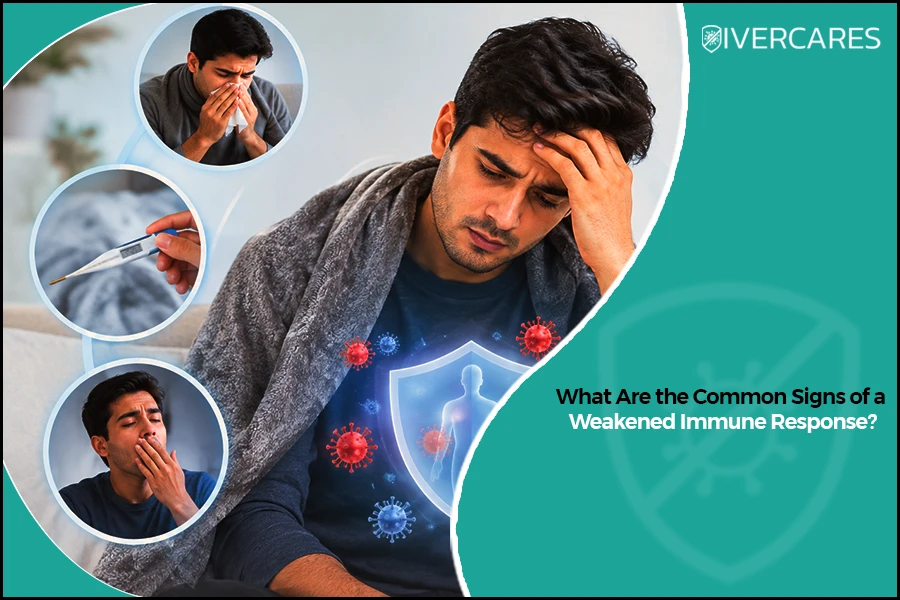
Some people, it seems like, catch every cold that shows up in the office, while others float through flu season like it’s no big deal, not even a sniffle. And if you’ve been sitting there thinking “why does my body feel like it’s always up against something?” well, you might be dealing with a weakened immune response, and figuring out what it looks like in real life is like the first little doorway back to feeling normal again.
Table of Contents
ToggleWhat Is Your Body Trying to Tell You?
Your immune system health is one of those really intricate networks in the human body, quietly guarding against bacteria, viruses, and other freeloaders every day without you really noticing. When that protective system starts having trouble, the body usually throws out hints early, before anything dramatic happens. A weakened immune response doesn’t always make a loud announcement; more often it shows up as a cluster of smaller symptoms, which you can dismiss, but together they give a fairly clear image of reduced immune health.
Catching Everything That Goes Around
One of the most recognizable weakened immune system symptoms is a repeated cycle of frequent colds, infections that hit harder, or stick around longer than they should. For a person with a strong immune system, a common cold might be handled in about a week, but signs of weak immunity show struggling. You might see that same illness stretch out for two or even three weeks. There is a connection between frequent infections and immunity. You might notice you’re picking up a new bug pretty much right after the last one eases off. That pattern of persistent infections, instead of the occasional seasonal bug everyone gets, often becomes one of the earliest and most dependable signals that something deeper needs a closer look.
When Cuts and Scrapes Take Forever to Heal
Another fairly telling sign of common immune system problems is slow wound healing. A healthy immune response is a key player in repairing damaged tissue, sending the right cells to the wound spot, keeping infections at bay, and helping skin rebuild the way it’s supposed to. When weakened immune shows, the whole repair rhythm slows down, so small cuts, scrapes, or even insect bites can take far longer than normal to seal up. If you’ve noticed that injuries that used to close in days now hang around for weeks, that’s not just bad luck; it’s a clue worth paying attention to.
The Exhaustion That Rest Doesn’t Fix
Fatigue and weak immunity often walk together, and this one can be extra maddening because it’s easy to blame on being busy or not sleeping enough. But when the immune system is constantly working overtime, handling low-grade infections or inflammation, the body pulls energy away from everyday activities. Weakened immune causes the creation of a certain tiredness that doesn’t quite melt away after sleep or rest, which makes it different from ordinary “I’m just worn out” fatigue. If it keeps showing up, it’s definitely something to bring up with a healthcare provider, because it can be one of the more meaningful immune response symptoms.
Digestive Troubles and Hidden Connections
A lot of people don’t realize how tied gut health is to immune system function, but a big portion of immune cells actually live in or around the digestive tract. So symptoms of low immunity or a weakened immune system can pop up as recurring stomach upset, bloating, or an increased sensitivity to foods that never used to bother you. Recurrent digestive issues, especially when they come along with other signs from this list, can be an overlooked but genuinely important marker of reduced immunity, not just something to treat by ignoring the bigger picture.

Recognizing the Deeper Warning Signs
Beyond the common stuff, there are also signs of immune system weakness. Recurrent fevers without an obvious reason, swollen lymph nodes that don’t settle down, or infections that respond poorly to standard treatment can all be hints of underlying immune system disorders that need proper medical evaluation. These signs of reduced immunity or weakened immune system shouldn’t be self-diagnosed or brushed aside, because they often require targeted testing to figure out what’s really driving the immune dysfunction.
What’s Actually Causing Poor Immune Function
If you understand the causes of weak immunity, the symptoms make more sense, since they usually develop for a reason. Chronic stress is one of the biggest, but most underappreciated, contributors, and long-term elevated cortisol levels can suppress immune system function over time. Poor sleep, not enough nutrition, excessive alcohol use, smoking, and a sedentary lifestyle all show up again and again as factors affecting immunity in modern life. Moreover, certain medications, chronic illnesses like diabetes, and the natural immune shift that comes with aging can also contribute. That’s why identifying the actual root cause matters a lot for effective treatment instead of just guessing.
Age and the Natural Shift in Immune Health
It’s also true that some immune system changes with age are completely normal, because immune health can decline little by little as the years go by. That doesn’t mean older adults are automatically stuck with nonstop illness, but it does mean you should pay closer attention to maintaining immune health. The “margin for error” gets smaller, and infections that younger immune systems might shrug off can sometimes become more serious.
Taking Practical Steps Toward a Healthy Immune System
Helping your immune system in real life is mostly about the small everyday choices that you keep doing. Getting seven to nine hours of good sleep, eating nutrient-dense meals with fruits, vegetables, and lean protein, staying active in some form, and managing chronic stress using mindfulness or steady exercise. These are ways to support immune function. Also, stay with the recommended vaccinations, practice good hygiene, and try to not lean on too much alcohol or tobacco. All of those habits don’t only “fix” a current issue; they sort of build long-term immune system protection, so future illnesses tend to show up less often, and when they do, they can be milder.
When It’s Time to See a Healthcare Provider
If you’re seeing several of these signs at once, especially ongoing infections, wounds that heal slowly, and fatigue that just won’t lift even after rest. It’s a good idea to talk with a healthcare provider instead of trying to push through it. A weaker immune response can sometimes be connected to an underlying situation that really benefits from early diagnosis and specific treatment, and tests like blood work (or other follow-up checks) can help reveal what’s going on under the hood.
Brief To Conclude
Noticing a weakened immune response sooner gives you the best shot at addressing the root cause before it snowballs into bigger complications. From frequent colds and infections to unexplained tiredness and slow healing, those symptoms often feel like your body asking for more support. When you understand common reasons for weak immunity, and you stick with consistent practical steps for better immune health, most people can strengthen their defenses and often feel better pretty noticeably along the way.
FAQs
1. What is the cause of a weakened immune system?
The main cause is poor nutrition when the child is in the mother’s womb. Other causes are genetic disorders or other health issues. If a person does not eat properly and follow a balanced diet, then he/she carries a weakened immune system.
2. Which vitamins and minerals can affect immune function?
These are vitamin A, vitamin D, vitamin E, iron, folic acid, and zinc.
3. Does exercise improve your immunity system?
Yes, regular exercise manages your weakened immune system and keeps the body healthy. Exercise causes it to release endorphins that reduce stress levels to strengthen your body.
4. Does sleep reduce your weakened immune function?
Yes, you need 7 to 8 hours of sleep per day. But infants and children need 8 to 16 hours of sleep daily.
5. How do you know if you have immune issues?
When you see that you become ill frequently, you cannot recover quickly, or you have digestive issues, then you realize that you have immune issues.