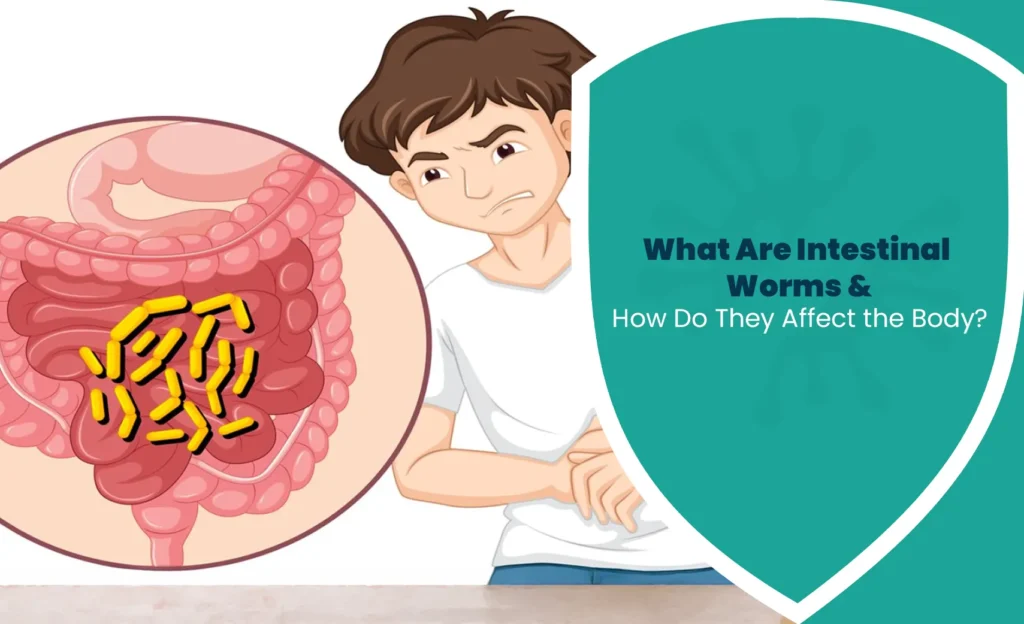
It’s easy to imagine that intestinal worms are a thing of the past or a problem in faraway lands, but parasites of the worm type are one of the most common diseases on the planet today, silently affecting billions of people around the world. By providing an understanding of what intestinal worms are, how they can develop and progress, and how effective treatments such as Albendazole 400 mg Tablet are at resolving an intestinal worm infection, it creates a more grounded and realistic picture of a health problem that, despite being global, many people who may be affected by them are not well informed about.
Table of Contents
ToggleA Global Problem Hiding in Plain Sight
The figures on this problem are indeed remarkable. Soil-transmitted intestinal worms are the most prevalent human parasitic infections worldwide, with more than 2 billion people (over a quarter of the population) infected and 4 billion at risk, according to the World Health Organization (WHO). These parasites are intensively transmitted and are treated (more than 270 million preschool-age children and more than 600 million school-age children live in these areas). In particular, hookworm infection has important reproductive health implications, as it is estimated that about 44 million pregnant women are infected around the world, which contributes significantly to maternal anemia and associated complications.
Identify The Types of Intestinal Worms
The key to understanding the types of intestinal worms is to become familiar with the handful of species that account for the vast majority of worms seen in the world. The most common species are two hookworms (Ancylostoma duodenale and Necator americanus) and a whipworm (Trichuris trichiura). Roundworm (Ascaris lumbricoides) is the most common. All four are types of worms that infect the intestine and have different patterns of transmission, life cycles, and symptoms. However, each of these infections is classified as a soil-transmitted helminth (STH) infection, because the worms must spend some time in soil to mature before they can worm infection causes in a new host.
How These Parasites Find Their Way In
Once you know what the causes of intestinal worms are, you’ll see how intestinal worms spread that is strongly tied to sanitation and environment. Rounded worms and whipworm eggs are eliminated in the stool of an infected individual and can contaminate soil in regions that are poorly sanitized, in which case the eggs are accidentally ingested, frequently through contaminated food, water, or the hands of the individual that has not been washed adequately. In fact, up to 100,000 parasite eggs may be present in just one gram of stool from a person who is infected, showing just how much contamination can occur in a community with poor sanitation facilities. Otherwise, hookworms enter the body through bare skin by actively burrowing into the skin, usually through the bottom of the feet, as a person walks through contaminated soil and then travels through the body to finally settle in the worms in the intestines.
Recognizing the Symptoms
Worm infection symptoms and intestinal worms symptoms depend on the species of the worms and the level of infestation, but there is a common set of symptoms that are apparent in the major species. Signs of worm infection include abdominal pain, nausea, diarrhea, general tiredness, and loss of appetite. The World Health Organization states that symptoms include nausea, tiredness, abdominal pain, and loss of appetite, and that these infections exacerbate malnutrition and increase rates of anemia. Digestive problems from worms may occur slowly, because many worm infections are not associated with high numbers of worms and usually do not manifest symptoms until the worm numbers increase, and usually then the worm’s growth is not controlled.
When Infection Intensity Escalates
Not every infection has the same effects, and the severity of the intestinal parasite infection is closely related to the number of parasites that a person has. Worldwide approximately 1 billion people are infected with soil-transmitted helminths, and over 300 million people are severely affected. In particular, hookworms are a concern because they feed directly on the blood in the intestinal lining, resulting in some chronic blood loss, which may eventually result in significant anemia, an effect separate from the more general nutritional effect due to the competition for nutrients in the gut by roundworms and whipworms.
Confirming a Diagnosis
Worm infection diagnosis is based mainly on analysis of a stool sample; the technician analyzing the sample under a microscope will be able to see worm eggs, worms (larvae), and, in rare cases, visible fragments of adult worms. Since egg production may fluctuate from day to day, depending on the reproductive cycle of the worm, sometimes several stool samples are taken over several days when the first sample is negative but symptoms are suggestive. In areas where the disease is prevalent, individuals may not even be tested for these infections, just treated as part of a mass screening and treatment program.
Standard Treatment Approach
Albandazole 400 mg Tablet is one of the most commonly used and effective medications for treating the infections of common intestinal parasites, especially when diagnosed or in a setting of preventive mass treatment. Regional health authorities very clearly recommend this medicine as a frontline medicine, stating that mass treatment of soil-transmitted helminth disease with the antiparasitic drug albendazole is recommended to reduce the soil-transmitted helminth disease burden. It interferes with the parasite’s ability to absorb glucose, which deprives it of its main energy source and results in the death of the worm and the elimination of the worm from the intestinal tract. Most often this tablet is given as a single dose. However, some infections are more severe, and some types of worms may need multiple doses or longer treatment, depending on the type of infection.
Preventing Reinfection at the Community and Individual Level
Reinfection is common in those areas where you already find out about contamination and people do not adopt any prevention plan to stop spreading. Reinfection happens when individual hygiene practices fail. On the personal aspects, handwashing is essential. You have to wash your hands before and after eating in the case of the prevention of intestinal worms. You should wear shoes while walking on soils, sands, and contaminated areas. You need to wash your fruits, vegetables, fish, meat, and eggs properly before eating or preparing. On the group aspects or community aspects, you have to follow a global health strategy to eliminate worms from areas. They need to adopt effective deworming plans and a health education system to prevent reinfection. Community need adopt sanitisation process to cure areas from worms and eggs.
Summing Up
Intestinal worms are a huge problem for humans. As per the global scale, billions of people are infected by this disease. Pragnene women, children, comunities with poor sanitation infrastructure face more challenges because of this disease. This highlights under-recognized public health challenges worldwide. Albendazole 400 mg Tablet is used to treat parasitic infections. It works well in intestinal infections. Besides these, people should focus on sanitation and hygiene practices. This encourages the reality of today’s world, and infected people can get treatment at a fair price.
Frequently Asked Questions
1. How common are intestinal worm infections worldwide?
Intestinal worm is a very common disease. More than 2 millions of people are infected globally. People are infected by soil-transmitted helminths. This spreads through direct contact.
2. What are the most common types of intestinal worms?
Ascaris lumbricoides is one type of roundworm. Trichuris trichiura is one type of whipworm. Ancylostoma duodenale and Necator americanus are hookworms. These are common types of intestinal worms.
3. Can intestinal worms cause anemia?
Yes, these types of worms directly enter into blood. Then, these cause huge blood loss. This leads to anemia gradually or later. People who have severe conditions because of intestinal worms have a high chance of being anemia patients in the future.
4. How effective is Albendazole 400 mg Tablet for treating intestinal worms?
This tablet is used in the treatment of parasitic infections caused by tapeworms, roundworms, and hookworms. Albendazole suppresses the uptake of glucose by the parasites, resulting in depletion of energy. The synergy between impaired microtubule function and energy depletion results in parasite death.
5. How can intestinal worm infections be prevented?
People prevent worm infections by maintaining hygiene. People should wash their hands before and after eating. People should wash their hands after using the toilet/restroom. People avoid contaminated areas. Please wear shoes and gloves while working on soil and sand or doing work in those areas. Periodic community deworming programs reduce environmental contamination