Few skin issues cause as much head scratching as tinea. The name sounds like some little worm burrows under your skin or something dramatic like that, but nope, the real troublemaker is much smaller. If you understand what causes of ringworm are, how it bounces from one person to the next, and when it actually needs medical attention, you can dodge weeks of itching and that frustration that makes you want to pick at everything.
Table of Contents
ToggleNot a Worm at All
Tinea is a fungal skin infection, and it comes from a group of fungi called dermatophytes. These fungi go after keratin, the same protein that’s in the outer skin layer, hair, and nails. The name stuck because the ringworm skin rash often forms a circular, raised border, and early observers thought it looked like a worm curled under the skin. The most common culprits are species like Trichophyton, Microsporum, and Epidermophyton. This infection is extremely common in humans and affects kids as well as adults, but children tend to catch it more often. Depending on where it shows up, people may call it athlete’s foot or jock itch, but it’s basically the same fungal group doing the damage.
Spreading From Skin to Skin and Beyond
Ringworm infection in humans can travel a few different ways. When you know how tinea spreads, it is the best way to stop it. Tinea from person to person happens through direct skin contact, like wrestling, hugging, or even sharing a bed with someone who already has it. Spores can spread before a visible rash even shows, so outbreaks can spread pretty fast through homes, schools, and sports teams.
Ringworm from pets can also be a big source. Cats, dogs, rabbits, guinea pigs, and farm animals (cattle included) may carry the fungus, sometimes with only a patch of dry skin or with no obvious signs at all. A quick petting session can be enough, especially for kids who love to cuddle kittens, puppies, or bunnies.

Why Summer Makes It Worse
Fungi love warmth and moisture, so ringworm in warm weather is way more common. Sweating, tight clothing, and humid air create a perfect setup for the spores to multiply. This is why infections spike in tropical regions, and during monsoon and summer months, especially in skin folds, the groin, and between the toes. Tinea and skin hygiene matter even more when it’s hot and damp, because skin that stays wet for too long is more vulnerable to the attack.
Who Is Most Likely to Catch It
Fungal infection risk factors include a weakened immune system, diabetes, obesity, heavy sweating, close contact with animals, contact sports, shared gym or pool spaces, and crowded living conditions. Long-term steroid creams can also let the infection spread and make it harder to recognize. If someone has had tinea before, they might still carry lingering spores, which brings up the problem of recurring ringworm infection. When it keeps coming back, the reason is often untreated pets, bedding that wasn’t properly cleaned, or an infection that wasn’t cleared all the way.
Spotting the Ring
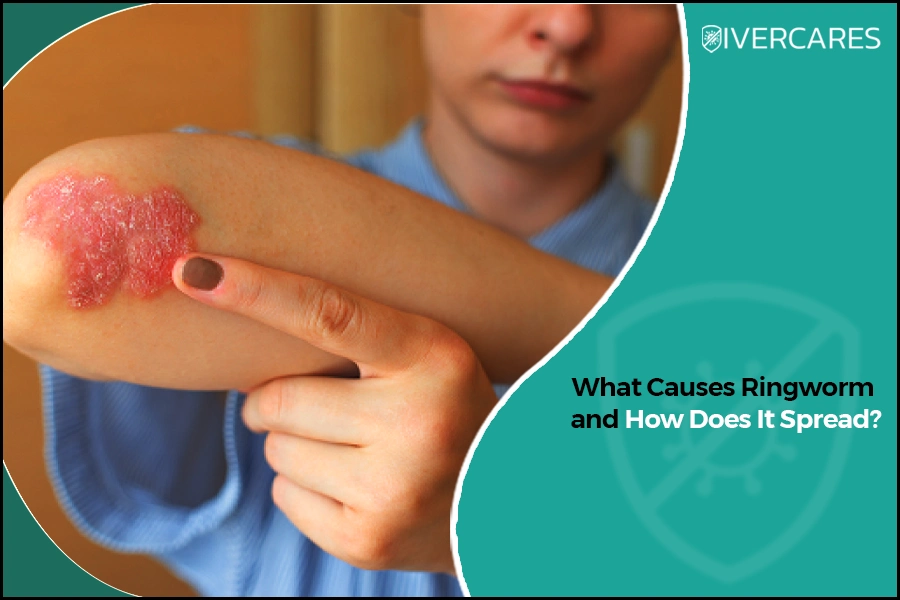
Ringworm symptoms are usually pretty recognizable. The classic sign is an itchy circular rash, with a red, scaly, slightly raised edge and sometimes a clearer center, though not every case clears in the middle. Patches can grow outward, multiply, or mix into each other. You might also see dry flaky skin, mild redness, and occasionally small blisters. Since the rash can resemble eczema, psoriasis, or even an allergen reaction, many people start treating it wrong before realizing what it is.
Confirming the Culprit
A ringworm diagnosis often begins with a visual exam, but a healthcare provider may scrape a small sample of skin or pluck a few hairs for testing. A potassium hydroxide (KOH) preparation can show the fungus under a microscope, while a fungal culture helps identify the exact species, though it can take weeks. Confirmation really matters, because confusing tinea with something else can make the infection hang on longer.
How Long Tinea Lasts
A lot of people ask about ringworm causes and treatment. With treatment, mild body infections often start improving in about two to four weeks, but the skin may need ongoing treatment for a bit after the rash clears to reduce relapse. Scalp and nail infections take much longer, sometimes several weeks to months. Without treatment, tinea can persist for months and keep spreading to other people, so it’s not a “wait and see” situation for long.
How To Avoid Ringworm Infection
Candiforce 200 mg Capsule is a pharmaceutical medicine, and the amount you take and how long you take it depend on where the infection is and how serious it looks. It’s usually taken with food or right after a full meal, because meals help absorption. Also, itraconazole can interact with a bunch of other medicines, including those for cholesterol, certain heart rhythm issues, and even some meds for stomach acid. So tell your healthcare provider everything you’re using, even if it seems unrelated. It should not be used if you have heart failure, and it needs extra caution with liver problems and during pregnancy. Side effects can include nausea, headache, stomach upset, and, in rare cases, liver issues. If you notice persistent tiredness, dark urine, or yellow skin, contact your healthcare provider. And yes, finish the full course even if the rash seems to fade early.
Keeping Fungus at Bay
Ringworm prevention is mostly routine habits. If you want to reduce the chance of tinea, keep skin clean and dry, especially in folds. Change out of sweaty clothes as soon as you can, use sandals in public showers, and don’t share towels, combs, razors, or clothing. Wash bed sheets and clothes in hot water, and wipe down or disinfect gym equipment. If you have pets, get them checked by a vet when they show bald patches or scaling. And wash your hands after touching animals, just to be safe.
Summing Up
You have to know when to see a doctor for ringworm. Get advice if the rash is widespread or on the scalp or face. Also see a clinician if it does not improve after about two weeks of an over-the-counter antifungal, if it keeps returning, or if there’s pus, fever, or severe pain. People with diabetes or lowered immunity should get checked earlier rather than later.
Tinea is a contagious fungal infection and usually responds well to treatment. With solid hygiene, timely care, and extra attention around animals and shared surfaces, you can clear it and also lower the chances it comes back.
FAQs
1. What is Candiforce 200 mg Capsule?
Candiforce 200 mg Capsule; it contains itraconazole, and it basically blocks the making of ergosterol, which is a key part of the fungal cell membrane. So if the fungus cannot expand properly, then it eventually dies off.
2. What is the ringworm transmission process?
Tinea from contaminated surfaces completes the circle. Fungal spores can hang around for months on towels, bedsheets, combs, hats, gym mats, and even damp changing room floors. Walking barefoot in a communal shower, or sharing clothes, makes it easier for spores to catch on.
3. Is ringworm on the scalp common in children?
Yes, and it can cause scaly bald patches, broken hairs, and sometimes a tender swollen lump called a kerion. This form almost always needs oral medication, because creams can’t reach deep enough inside the hair follicle.
4. What does tinea look like?
Ringworm on the body usually looks like one or more ring shaped patches on the trunk, arms, or legs. Tinea on the face can look less “ring like,” with faint scaly patches that people may confuse with eczema or sun damage.
5. What are the side effects of the Candiforce 200 mg Capsule?
The side effects are nausea, headache, stomach upset, and, in rare cases, liver issues