A tight waistband by lunchtime. A stomach that keeps rumbling even though you ate hours ago. Then that uncomfortable ache returns, and you start wondering whether something more than yesterday’s takeaway is going on.
Table of Contents
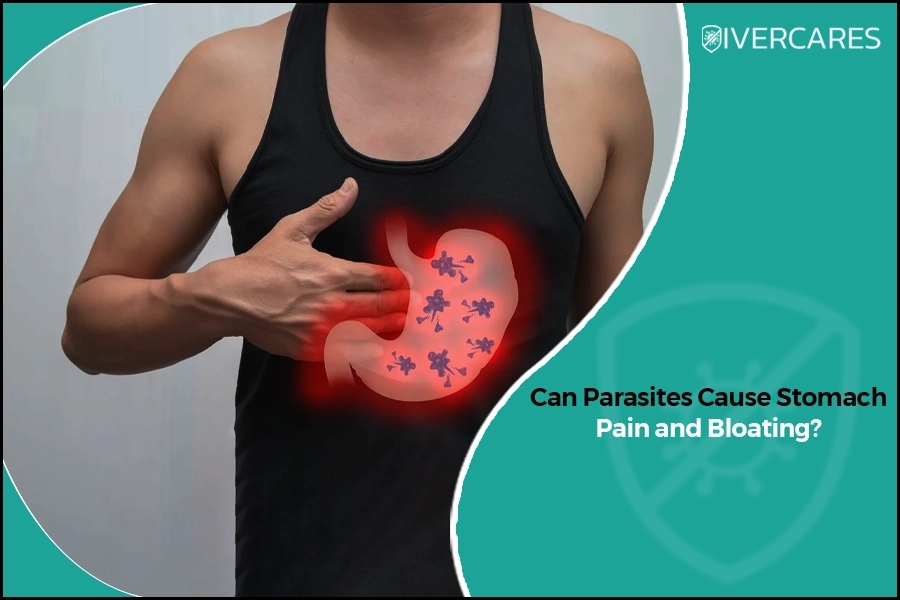
ToggleYes, a parasite can cause stomach pain. Some also cause excess gas, loose stools, nausea, or a swollen feeling after eating. But those symptoms are shared by a lot of ordinary gut problems, so they don’t tell you what’s responsible on their own.
That distinction matters. Otherwise, a few uncomfortable evenings can turn into an internet diagnosis involving worms, expensive supplements, and a “cleanse” you almost certainly don’t need.
The useful question isn’t just whether a bug could explain it. It’s whether your symptoms, recent activities, and test results actually fit.
First, not everything involved is a worm
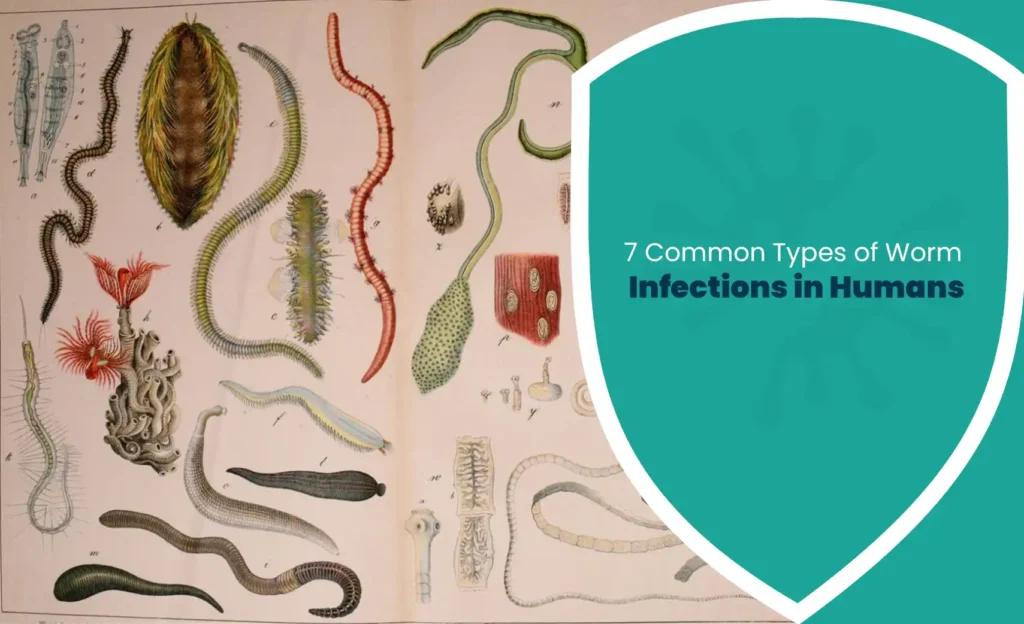
The word brings up a fairly unpleasant picture. Usually something long and wriggly.
But intestinal parasites include different organisms. Some are worms. Others, such as Giardia, are microscopic organisms you won’t spot by looking in the toilet.
They don’t all behave the same way, either. One might mainly cause diarrhea. Another might cause itching around the anus at night. Some infections produce very few noticeable symptoms.
So there isn’t one unmistakable “parasite feeling.” Annoying, perhaps, but useful to know before trying to match yourself to a picture online.
A parasitic infection becomes more plausible when there’s a relevant exposure: untreated drinking water, contaminated food, certain travel destinations, or close contact with someone who has an infection. You can pick up some of these organisms without leaving the US or UK, though. Travel isn’t a requirement.
Giardia is a good example of why your gut feels unsettled
Giardia can spread through contaminated water, food, surfaces, or close personal contact. Swallowing untreated stream water is a familiar risk. So is accidentally swallowing contaminated swimming water.
Once inside the small intestine, it can interfere with normal digestion and absorption. The result may be diarrhoea, nausea, tiredness, and unusually smelly, greasy stools that sometimes float.
And yes, stomach pain can be part of it.
The CDC also lists cramps, gas, and dehydration among the possible symptoms. Symptoms commonly begin about one to two weeks after exposure, rather than immediately after the suspicious meal or swim. That delay makes the connection easier to miss.
Gas and bloating can be particularly frustrating because they make almost any meal feel like the wrong choice. Some people also have temporary trouble digesting lactose after giardiasis, so milk or ice cream may suddenly seem to disagree with them.
That doesn’t necessarily mean dairy caused the original problem. The infection may have changed how the gut handles it for a while.
What about actual worms?
A worm infection can cause gut symptoms but the details depend on the species and how heavy the infection is.
Roundworms and some other intestinal worms may cause abdominal discomfort, diarrhea, or nutritional problems. Hookworms can contribute to iron-deficiency anemia through blood loss. That might show up as tiredness or breathlessness rather than a dramatic change in bowel habits.
Pinworms, often called threadworms in the UK, are a little different. Their best-known symptom is itching around the anus, especially at night. Some people notice disturbed sleep or mild discomfort, but a severely swollen belly isn’t their usual calling card.
In other words, stomach pain doesn’t automatically point to worms. And seeing something stringy in a stool doesn’t prove it, either. Mucus and undigested food can look surprisingly alarming.
If you do notice something unusual, ask a clinician whether a photograph or sample would help. It’s more useful than trying to identify it through an online image search.
The uncomfortable bit is how much the symptoms overlap
Digestive issues rarely arrive with a neat label.
Food intolerance, constipation, irritable bowel syndrome, celiac disease, medication side effects, and bacterial or viral illnesses can all cause an unsettled abdomen. Sometimes the explanation is a combination: constipation plus a change in diet, for instance.
Abdominal pain that eases after passing stool may suggest one pattern. Ongoing diarrhea after camping suggests another. Neither is enough to make a diagnosis alone.
This is why stomach pain needs context rather than a guess based on how swollen you feel.
A clinician may ask whether the discomfort comes after meals, wakes you at night, or improves after a bowel movement. Whether you’ve lost weight matters. So do blood in the stool, fever, or symptoms that keep returning.
Not especially glamorous questions. Usually more useful than asking whether your stomach “feels infected.”

Think back a little further than last night’s dinner
When symptoms start, it’s tempting to blame the last thing you ate.
Sometimes that’s fair. Sometimes the relevant exposure happened a week or two earlier.
Think about a camping trip, water from a private well, swimming, childcare work, or someone at home who recently had diarrhea. Mention travel, even if you felt fine while you were away. Raw or undercooked foods may also matter, depending on the suspected organism.
Stomach cramps with persistent loose stools after one of those exposures deserve a conversation with your doctor.
Still, exposure isn’t proof. Plenty of people go hiking and come home with nothing more than sore calves. The point is to give the clinician a useful clue, not to build a case against every lake you’ve ever visited.
Testing sounds simple, but one sample isn’t always enough
If an intestinal infection is suspected, stool testing is often part of the investigation. Depending on the situation, a laboratory may look for particular organisms, their proteins, or their genetic material.
Different tests answer different questions.
For Giardia, a clinician may request samples collected on separate days because the organism isn’t necessarily detectable in every bowel movement. The CDC notes that several stool samples may be needed to establish whether infection is still present.
Pinworms are another wrinkle. They’re often investigated with a tape test around the anus, usually first thing in the morning, rather than a routine stool test.
Blood tests may also help assess dehydration, anemia, inflammation, or other possible explanations.
If stomach pain keeps returning, testing should follow the history. Buying a broad commercial test without knowing what it can reliably detect may leave you with more uncertainty, not less.
And a negative result doesn’t mean the discomfort is imaginary. It may simply mean the suspected organism wasn’t responsible.
About deworming tablets and why guessing is a poor shortcut
It’s understandable to want a quick fix. You feel awful, you’ve read about worms, and a tablet sounds considerably easier than arranging an appointment.
An Albendazole 400 mg Tablet is a medicine used for certain worm infections. It isn’t a general treatment for every possible cause of an unsettled gut.
Different organisms require different medicines, and the treatment schedule depends on the diagnosis. The CDC lists albendazole among treatments for several soil-transmitted worm infections, with regimens that vary by species.
That means a product name or strength doesn’t tell you whether it’s appropriate for you.
Don’t choose an Albendazole 400 mg Tablet simply because stomach pain appears on a symptom list. A clinician or pharmacist should check the suspected infection, other medicines, relevant health conditions, and whether pregnancy is possible.
Food instructions can also vary with the condition being treated. Follow the actual prescription rather than advice copied from someone treating a different infection.
And skip the “parasite cleanse.” Herbal mixtures and laxative-heavy products aren’t a reliable substitute for diagnosis. They can cause diarrhea or irritation themselves, which makes an already confusing situation even harder to untangle.
While you’re waiting, ordinary care still counts
If you have diarrhea, replacing fluids matters. Small, frequent drinks may be easier than forcing down a large glass. An oral rehydration solution can help replace lost water and salts, particularly if bowel movements are frequent.
Eat what you can tolerate. There’s no need to force a huge meal, but there’s also no special starvation plan that clears an infection.
If certain foods clearly worsen your digestive discomfort, temporarily adjusting them may help. That’s different from cutting out half your diet indefinitely because an online post suggested it.
Wash your hands carefully with soap and water after using the toilet and before preparing food. Avoid preparing food for others while you have diarrhea. Ask about swimming and return-to-work advice, since recommendations depend on the infection and your job.
Recovery isn’t always instant, either. With Giardia, symptoms can sometimes linger after the organism has cleared. Persistent problems need reassessment, not automatic repeat treatment.
Some symptoms shouldn’t wait for a routine appointment
Most episodes of an unsettled gut aren’t emergencies. But there are limits to waiting it out.
Severe or rapidly worsening pain, a hard or markedly swollen abdomen, repeated vomiting, blood or black stools, fainting, or signs of significant dehydration need urgent medical assessment.
A swollen abdomen with vomiting and an inability to pass stool or gas also needs urgent attention.
Children, older adults, pregnant people, and anyone with a weakened immune system may become unwell more quickly. Get advice sooner rather than waiting for a particular number of days.
For less urgent but persistent gastrointestinal symptoms, contact your GP in the UK or primary care clinician in the US. Mention unexplained weight loss, ongoing diarrhoea, and any relevant exposure early in the conversation.
The sensible middle ground is fairly unexciting: don’t assume every swollen stomach means an infection, but don’t keep ignoring symptoms that won’t settle.
A clear diagnosis is much more helpful than another round of guessing.
FAQs
1. Can a parasite cause stomach pain without diarrhea?
Yes. Symptoms vary by organism, and some infections cause discomfort without obvious changes in bowel movements.
2. Can I catch one without travelling abroad?
Yes. Contaminated water, food, surfaces and close contact can spread certain infections within the US and UK.
3. Will I always see worms in my stool?
No. Some organisms are microscopic, and many worm infections aren’t identified by simply looking.
4. Can an infection go away without treatment?
Some can, but persistent symptoms need assessment. Whether treatment is necessary depends on the organism and your health.
5. Should everyone in the house take medicine?
Not automatically. Household treatment is sometimes advised for pinworms, but recommendations differ for other infections.