So I was going down a weird internet rabbit hole last week that started with a stomach ache article and ended up three tabs deep into parasite forums. Don’t ask. But it made me realize how little most people actually know about worm infections until they, or someone in their family, actually gets one.
Table of Contents
ToggleAnd then it’s suddenly all anyone can talk about.
Okay, but what actually counts as a worm infection
Worm infections happen when parasitic worms get into your body, usually through food, water, soil, or just contact with someone who already has one, and set up shop somewhere they really shouldn’t be. Mostly the gut. Sometimes elsewhere, which is its own unpleasant conversation.
These fall under what doctors call intestinal parasites, though honestly most people just call it “having worms” and leave it at that. There’s no elegant way to say it.
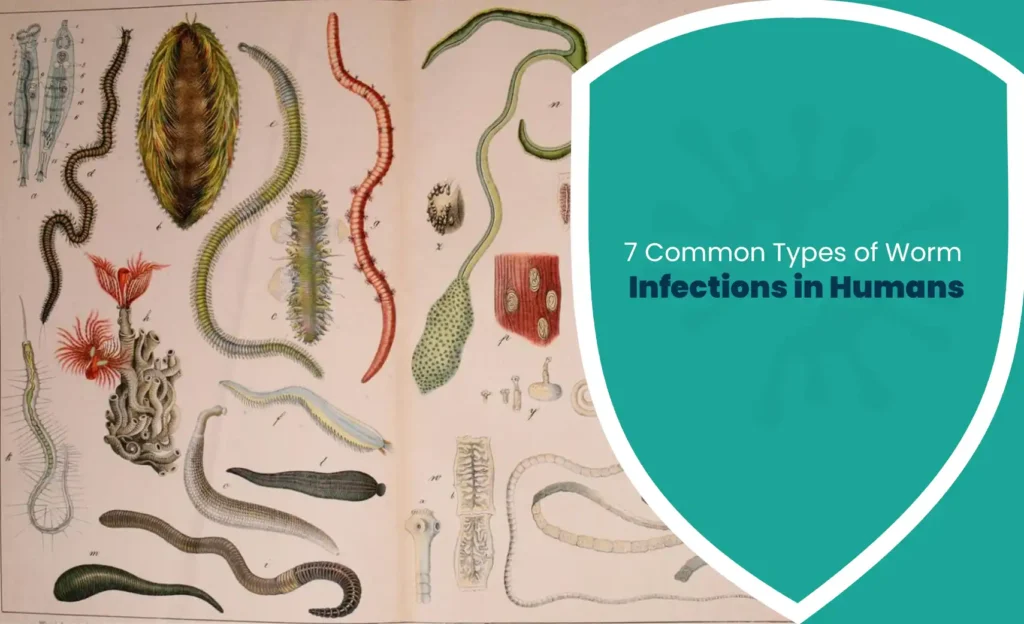
There isn’t just one kind either. That’s the part people miss. You hear “worms” and picture one generic wiggly thing, but there are several distinct types of worms in humans, each doing its own weird thing inside you.
Roundworms, hookworms, and pinworms are usually the common worm infections doctors run into most in general practice, at least somewhere with decent sanitation. The rest show up more depending on where you live or travel to.

Roundworms: The One Basically Everyone’s Heard of
Ascariasis. That’s the medical name, though nobody outside a clinic actually says it.
This is probably the most common of the bunch worldwide. You get it from eating food or drinking water contaminated with roundworm eggs, often from soil that’s had contact with infected feces, which, yeah, is gross, but that’s the reality of it.
Symptoms can be almost nothing at first. Mild stomach discomfort, maybe some nausea. Then, in bigger infections, you get actual visible worms in stool (sorry, had to say it), weight loss, and in kids specifically, stunted growth if it goes untreated long enough.
Hookworms, aka the barefoot problem
This one gets in through your skin. Like, literally through the soles of your feet if you’re walking barefoot on contaminated soil. Which is why doctors still tell people in certain regions to just wear shoes outside; it sounds basic, and works surprisingly well.
This one causes anemia mostly, because the worms attach to your intestinal wall and feed on blood. Fatigue, pale skin, and shortness of breath people often think it’s just low iron and don’t connect the dots.
Whipworms: the quiet, boring-sounding one
Trichuriasis, if you want the textbook term. Whipworms don’t get as much attention as roundworms or tapeworms, probably because the name sounds less dramatic.
Mild cases show barely any symptoms. Heavier ones cause diarrhea, abdominal pain, and sometimes rectal prolapse in children, which is a term I did not expect to type today, but here we are.
Tapeworms, the one everyone jokes about
You’ve probably seen the memes. Tapeworm diet, tapeworm pills, all that internet nonsense from decades ago that turned out to be, unsurprisingly, a terrible and dangerous idea.
Getting an actual tapeworm usually comes from eating undercooked beef, pork, or fish carrying larvae. Once inside, they can grow disturbingly long, several feet, sometimes living in the intestine and absorbing nutrients meant for you.
Symptoms are oddly mild for something that dramatic. Some nausea, mild abdominal pain, and maybe segments of the worm showing up in stool. Sometimes barely anything at all, which honestly is scarier in a way.
Pinworms: every parent’s actual nightmare
If you’ve got young kids, you’ve probably already dealt with this one, or you will. Pinworms spread fast in schools and daycares. Itching around the anus, especially at night, is the classic giveaway that the worms come out to lay eggs while everyone’s asleep.
It’s not dangerous exactly, just relentless. Once one kid in a household gets it, it tends to make the rounds.
Threadworms are basically the same thing, with a different name
In the UK, this is what people usually call pinworms. Same parasite, same symptoms, just a different word depending on which side of the ocean you’re on. Confuses a lot of people who read both American and British health sites and think they’re two separate conditions. They’re not.
Filarial worms: the ones nobody really talks about
These are less common in the US and UK specifically but still worth knowing, especially with more international travel these days. Spread through mosquito bites, not food or soil like most of the others on this list.
Can cause swelling, skin issues, and sometimes more severe complications depending on which type and how long it goes untreated. Not something to shrug off if you’ve recently traveled somewhere tropical and start noticing odd swelling.
How do people even get these things?
The causes of worm infections mostly come down to a handful of everyday things, more than anything exotic. Contaminated food and water are the big ones. So is soil contact, especially where sanitation is limited. Undercooked meat, unwashed produce, not washing hands after using the bathroom, the usual suspects, honestly, and the same stuff you’ve probably heard a hundred times without really registering it.
Most parasitic worm infections trace back to one of those same handful of triggers, which is almost reassuring, weirdly; it means prevention isn’t complicated, even if people don’t always follow through on it.
There’s also person-to-person spread with certain types, which surprises people. Pinworms especially. You don’t need dirty water or bad meat for that one; just close contact and poor handwashing habits in a household. Honestly, how worm infections spread depends a lot on which specific worm you’re dealing with; some need soil contact, some need undercooked meat, and some just need a shared bathroom and bad luck.
So what does it actually feel like
This is where it gets messy because the symptoms of worm infections overlap so much with regular stomach issues that people brush it off for way too long.
Stomach pain that comes and goes. Bloating. Diarrhea, sometimes alternating with constipation, which is confusing on its own. Unexplained weight loss even though you’re eating normally, or maybe eating more than usual and still losing weight; that one throws people off, especially.
Fatigue that doesn’t match how much you’re sleeping. Itching, particularly around the anus, especially worse at night. In some cases, actual visible worms or worm segments, which, yeah, is exactly as unsettling as it sounds, and usually the moment people finally see a doctor.
Kids especially might just seem “off” irritable, not eating well, not gaining weight the way they should without anyone immediately thinking parasites. Worm infection symptoms in kids can look pretty different from adults, mostly just crankiness and a poor appetite that nobody connects to anything specific until it drags on for weeks.
Treatment isn’t as scary as people assume
Once it’s actually diagnosed, usually through a stool test, sometimes blood work depending on the type, treatment tends to be pretty straightforward. Most cases clear up with the right antiparasitic medication and don’t come back if you’re careful about hygiene afterward.
Doctors commonly prescribe Aldol 400 mg for several types of intestinal worm infections, since it works against a fairly broad range of parasites rather than just one specific kind. It’s usually taken as directed by a doctor, sometimes a single dose, sometimes a short course depending on the severity and which worm is involved.
That said, don’t just grab Aldol 400 mg because you read about it here or self-diagnose off a forum post. Get an actual stool test first. Different worms sometimes need different approaches, and a doctor will know which one applies to your specific situation.
Can you actually prevent this stuff?
Mostly, yeah. Wash your hands properly, actually wash produce before eating it, cook meat all the way through instead of “it’s probably fine,” wear shoes outside if you’re somewhere with questionable sanitation, and don’t let kids play in soil that might have animal or human waste nearby.
None of this is complicated. It’s just the kind of basic hygiene stuff people know intellectually but don’t always practice consistently, especially when traveling or when kids are involved, and things get chaotic.
Honestly, it’s more common than people think
There’s a weird stigma around this whole topic, like admitting you might have worm infections is somehow more embarrassing than any other health issue. It’s not. Millions of people deal with this every year, all over the world, including places with decent sanitation and healthcare. Roundworms and pinworms specifically are still some of the most common worms in humans even in wealthier countries, which surprises people who assume this is only a developing-world problem.
If something feels off with your stomach for weeks and nothing else explains it, it’s worth getting checked rather than just assuming it’s stress or a bad diet. Sometimes it actually is just stress. But sometimes it’s not, and there’s no harm in ruling it out.
FAQs
- Can worm infections go away on their own without treatment?
Sometimes mild ones do, but most need proper antiparasitic treatment to fully clear.
- Are all worm infections contagious?
Not all; some spread through soil or food, while others, like pinworms, spread person to person easily.
- How long does treatment usually take?
Often just a single dose or a short course though it depends on the specific worm involved.
- Can you get worms from pets?
Yes. Certain types can pass from animals to humans especially with poor hygiene habits.
- Do worm infections always cause visible symptoms?
No. Plenty of cases show little to no symptoms for a long time before anything’s noticed.