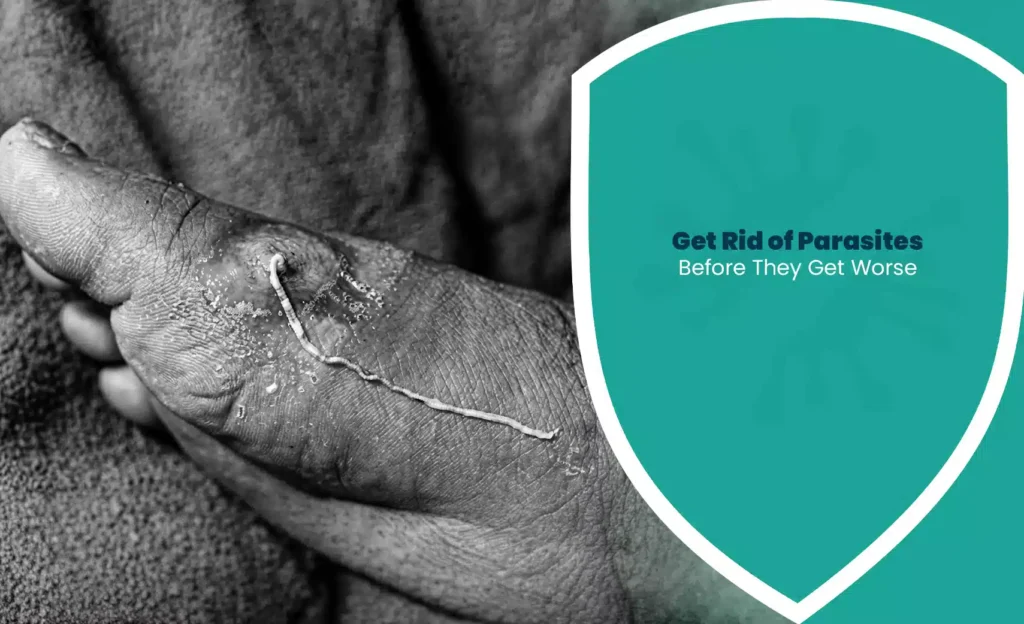
You probably don’t spend time thinking about the invisible organisms riding along in your world until something feels slightly off… like steady stomach cramps, that odd fatigue you can’t explain, or an itch that just keeps showing up. Parasitic infections have this sneaky habit of sliding into your routine through everyday doors: a mouthful of water, a small bite of undercooked food, or even walking barefoot across damp soil. When you actually understand how these organisms operate, you gain a real edge for keeping them out of your body completely.
Table of Contents
ToggleTiny Organisms, Big Consequences
When you hear the word “parasite,” you might imagine something far off, weird, or maybe exotic, but honestly, it’s a lot closer. Parasites are living things that survive on or inside a host, taking nutrients from you and often returning mainly misery, you know, illness. They can be microscopic protozoa or bigger visible worms, and most causes of parasitic infections come from ordinary exposure like what you ate, what you touched, or where you walked without a second thought.
Your body isn’t set up to host these freeloaders too comfortably. Once they’re inside, they may settle in your gut, bloodstream, muscles, or sometimes even the brain, depending on the species. That’s exactly why knowing how parasites infect humans matters; the more entry points you recognize, the easier it is to block them.
The Sneaky Routes These Organisms Take
Parasitic infections aren’t one simple, predictable road. It’s more like a web of possible paths, and different parasites pick different favorites. If you want to understand how parasites spread, start by noticing the everyday moments where exposure happens before you even realize it.
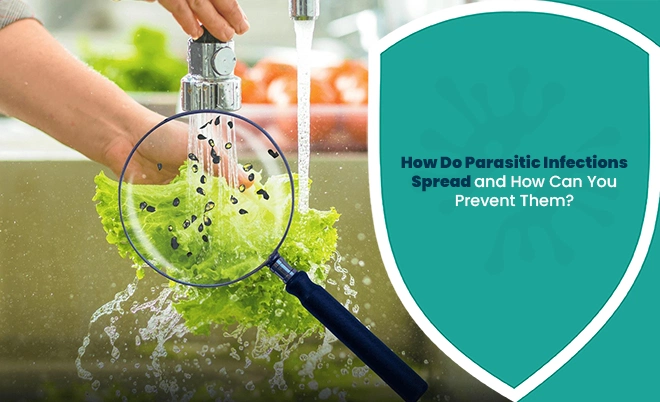
Contaminated food and water are probably the most common parasite transmission routes. Water that isn’t treated, undercooked meat, produce that wasn’t washed, and food handled with unclean hands can all contain parasite eggs or cysts that ride straight into your digestive tract. system. In a lot of places, this is still the biggest driver of brand new infections, especially where sanitation systems aren’t strong.
But it doesn’t stop at what you eat and drink. Your risk can also come from direct skin contact with contaminated soil, freshwater, or animals that carry parasites. Some parasitic infections are annoyingly resourceful. They can get through bare skin when you walk across wet ground or enter through a break in the skin during freshwater swimming. Insect bites add another layer. since mosquitoes and similar biting insects may act like carriers, delivering certain parasites straight into your bloodstream. And if you have pets or livestock, close contact can raise the odds too, particularly if hygiene afterward is kind of lax.

The Usual Suspects You Should Know About
Not every parasite acts the same, so recognizing common parasitic infections helps you sort out what you might be dealing with. Intestinal parasites are among the most frequently diagnosed, including roundworms, tapeworms, and hookworms. They usually enter through contaminated food, water, or soil, and then they move in along your digestive tract.
Protozoan infections are another major group of parasitic infections that are caused by single-celled organisms that can impact the gut, blood, or other organs. These often link back to contaminated water sources, and they show up more often in areas where water treatment is inadequate. Then there are parasitic diseases spread by insects, where the parasite uses a biting insect as a sort of vehicle to reach your bloodstream, sometimes causing serious illness throughout the body if nothing is done.
Each category has its own quirks, but there’s a shared theme. These exposures nearly always trace back to environmental factors, diet, or hygiene practices you can actually influence.
Listening to What Your Body Is Telling You
Your body usually doesn’t stay fully quiet when something’s wrong. Parasitic infection symptoms often arrive in ways that feel like normal digestive upset at first. Persistent diarrhea, bloating, abdominal cramping, and unexplained weight loss can be early warning signs, especially when intestinal parasites interfere with how you absorb nutrients.
Another common symptom is fatigue of parasitic infections, as many parasites will sap your resources over time, making you feel run-down even when you should be able to rest. You may also have skin irritation or itching. These increase at night. In some cases, tapeworms are visible in stool. Infections that are more serious or chronic can lead to symptoms that spread beyond the gastrointestinal tract to the nervous system, muscles, or other organs, depending on which parasite has taken hold.
The difficult part is that symptoms may be mild, come and go, or get blamed on other problems. That’s why unexplained or lingering symptoms shouldn’t just be waited out.
Getting Answers Instead of Guessing
If you think you might have parasitic infections, self-diagnosing only from symptoms isn’t dependable. The same symptoms can match many different organisms, and each one may need a different plan. A healthcare provider usually starts with your recent travel, diet, and potential exposure history, then moves to stool sample testing to look for eggs, cysts, or the parasites themselves. Blood tests can detect antibodies or sometimes identify the parasites directly in certain infections, and imaging is used in less common situations, like when a parasite has moved past the digestive tract.
That diagnostic step matters a lot, because parasitic infections treatment is highly specific. What works for one parasite might do nothing for another, and using the wrong medication can stall correct care while the underlying infection continues on.
When Medication Becomes Part of the Plan
After a parasite is confirmed properly, your healthcare provider might recommend an antiparasitic medicine that matches the exact organism. Ivermectin-based options, like Iverhuman 12 mg, are one example healthcare providers sometimes use for particular parasitic infections, though it depends on the parasite type, your general health, and how intense the situation is.
That said, this kind of choice should really stay with a healthcare provider, not something you do on your own. Dosage, length of treatment, and whether it’s a fit for you vary a lot between different infections, and using antiparasitic medication without a verified diagnosis could mean you treat the wrong thing entirely. Or you might miss side effects and medication interactions a healthcare provider would normally check before anything starts. If you are recommended a treatment, doing the exact routine your healthcare provider lays out is usually the best path to clear the infection for good.
Building Habits That Keep Parasites Out
Stopping parasitic infections mostly comes down to doing the basics consistently, not one huge “fix” you suddenly decide to try. A lot of preventing parasitic infections begins with something simple, like washing your hands well with soap before eating, after using the bathroom, and after touching soil, pets, or raw food, which can cut your exposure risk a lot.
Food and water need the same level of attention. Cooking meat, poultry, and fish until they reach safe internal temperatures kills many parasites before they even get to you, and rinsing fruits and vegetables thoroughly helps remove surface contamination. If you’re traveling or you’re not sure about local water quality, sticking with bottled or properly treated water is one of the easiest parasite infection prevention ideas, because contaminated food and water are still among the most common sources of infection globally.
Outside of the kitchen, a few more habits help prevent parasite infections too. Wearing shoes when you’re walking on soil, especially in places where parasite exposure is known to be higher, protects against parasites that can enter through skin. Avoiding swimming in untreated or questionable freshwater lowers your chance of catching waterborne parasites. Using insect repellent and wearing protective clothing in places with heavy mosquito or biting insect activity reduces exposure to insect-carried parasites. And keeping pets on a steady deworming routine, plus good hygiene after handling animals, helps block another usual route of transmission.
Making Prevention Second Nature
These steps don’t require dramatic lifestyle changes. They’re small, steady parasite prevention tips that, over time, stack up and lower your overall exposure to parasites. The intention isn’t paranoia about every bite or every time you go outside. It’s more about having a baseline sense of where risk usually shows up: unclean water, undercooked food, unwashed hands, and unprotected contact with soil or insects in higher-risk regions.
Summing Up
Parasitic infections might seem like something far away, but they’re tied directly to things you do every day, like what you eat, where you walk, and how you wash up. When you understand how parasites spread and you keep up practical precautions, you put yourself in a strong spot to avoid infection in the first place. And if symptoms do show up, getting a real diagnosis plus following your healthcare provider’s instructions helps you treat the actual issue, instead of guessing your way through it.
FAQs
1. What are the first signs of parasitic infections?
The first sign is watery diarrhea. Moreover, nausea, cramps in stomachs, and vomiting start.
2. How long can parasites live in your body?
It depends on your immunity system and medical treatment. If you start treatment immediately, parasites die within 7 days to weeks. But if you delay, these may stay in your body for months.
3. Can you live with parasites a long time?
You can live, sure. Because mild infections show through certain worms.
4. Parasites live long in your body What’s it going to be?
If this happens, you will face nutritional deficiency, organ damage, and chronic fatigue.
5. What are the symptoms of long-term parasitic infections?
The symptoms are abdominal pain, chronic fatigue, and diarrhea daily. Moreover, bloating and drastic weight loss are also shown.