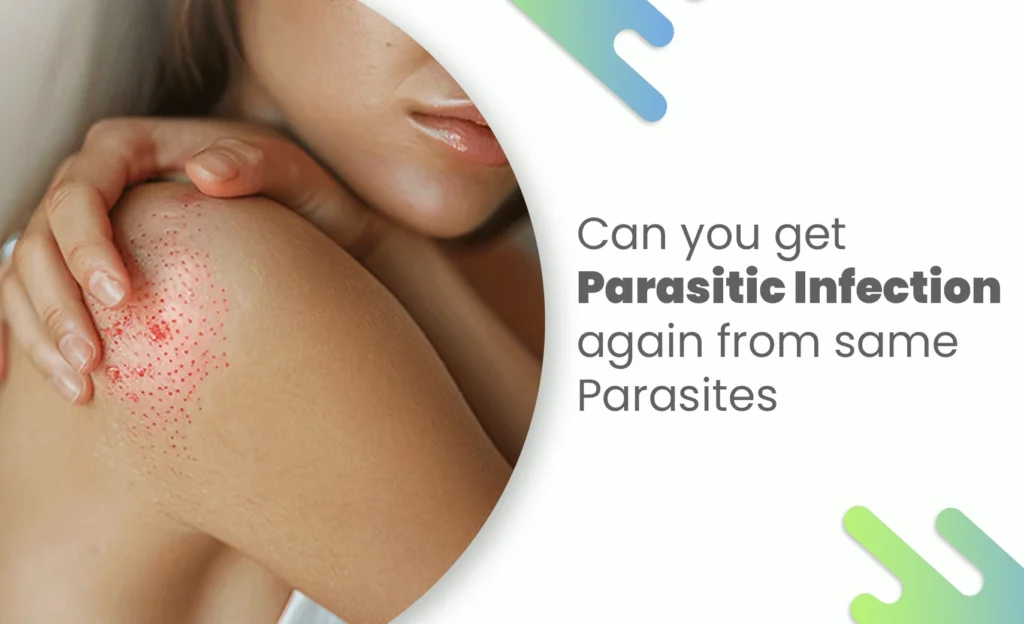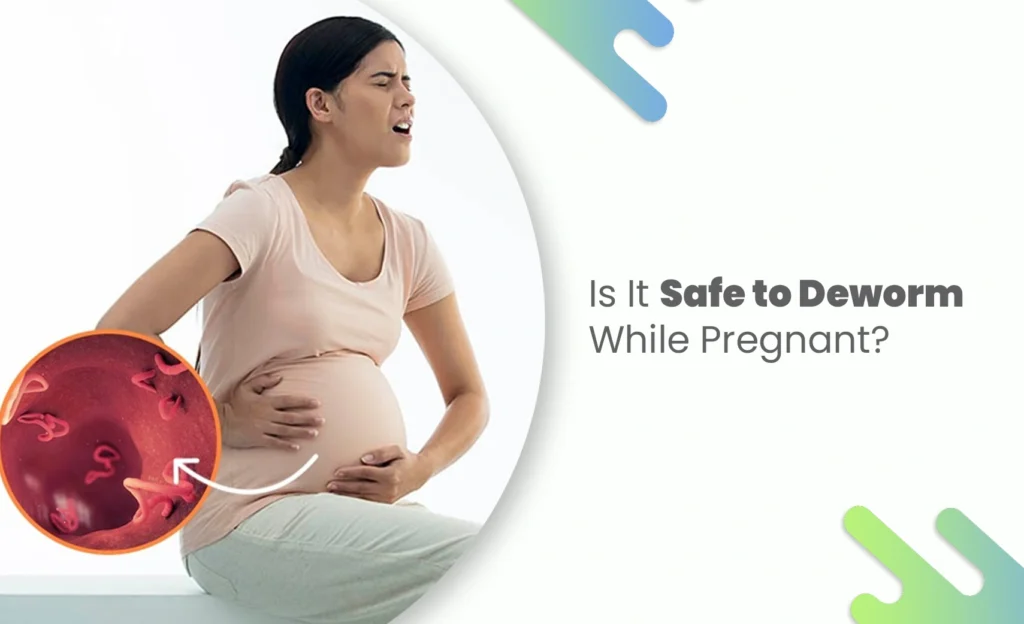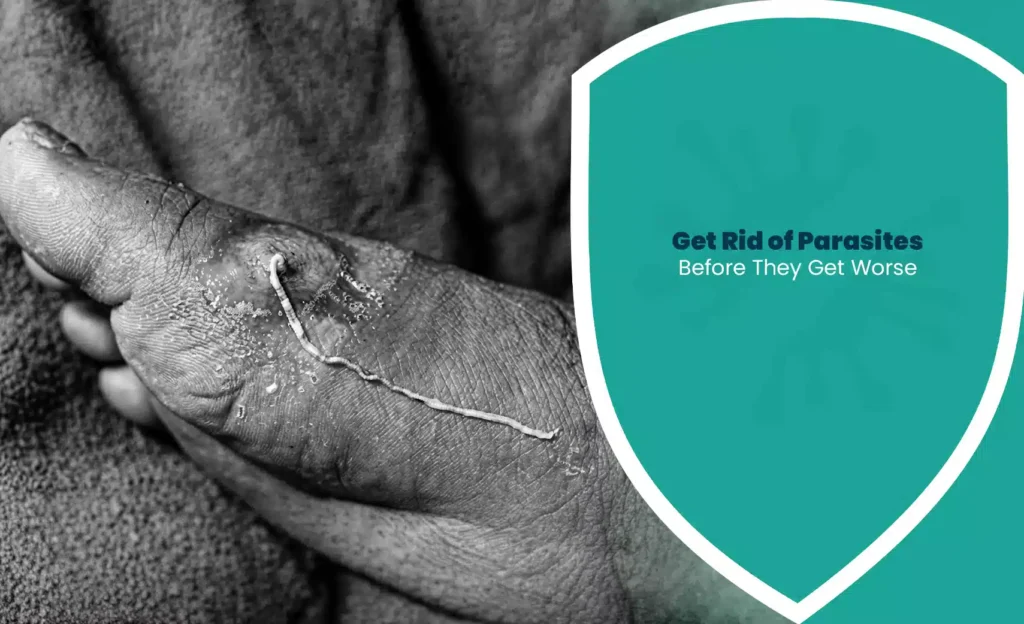
Look, most people don’t want to think about this. The idea that something is living inside you, feeding off what you eat, messing with your gut, maybe even affecting your mood, is uncomfortable. But ignoring it doesn’t make it go away. If anything, that’s exactly how things get worse.
Table of Contents
ToggleSo let’s talk about it honestly.
Wait, How Do You Even Get Parasites?
It’s easier than you’d think. Undercooked meat. Contaminated water. A salad washed with tap water in the wrong place. Even touching a surface and forgetting to wash your hands before eating. People in the US and UK act like this is a “developing country problem,” but it really isn’t. Parasitic infections show up everywhere.
And the frustrating thing? You might not even know you have one for weeks. Sometimes months.
The symptoms kind of creep up on you. Fatigue that doesn’t make sense. Stomach cramps that come and go. You think it’s stress, or bad food, or just a bad week. That’s the thing about human parasite symptoms, they mimic everything else. Bloating, itching (especially at night), unexplained weight loss, and brain fog. None of it screams “parasite” immediately.
That Gut Feeling Might Actually Be Something
A lot is going on in your digestive tract on any given day. But when you’ve got parasites in the gut, things feel different. Off. Like your digestion just isn’t working right, even when you’re eating well.
Some people describe it as a kind of hollow hunger you eat, but something still feels unsettled. Others notice changes in their stool. Sometimes you can actually see signs. Sometimes you can’t.
Knowing how to get rid of parasites starts with actually suspecting you might have them. Which sounds obvious, but most people skip this step entirely.
Different Worms, Different Problems
Not all parasites are the same. The intestinal worm types you’re most likely to encounter in everyday life include roundworms, pinworms, tapeworms, and hookworms. Each behaves a bit differently. Pinworms are probably the most common. They spread easily, especially among kids and households. Tapeworms tend to come from meat. Hookworms can actually enter through the skin.
Knowing which type matters because treatment isn’t always one-size-fits-all. That said, there’s overlap in how you handle most of them.
Signs That It’s Getting Worse (Don’t Ignore These)
This is where people mess up. They notice symptoms, think “eh, probably nothing,” and wait. Sometimes that’s fine. But sometimes it really isn’t.
Parasite getting worse signs include things like sudden weight loss that’s hard to explain, night sweats, severe abdominal pain, blood in stool, or neurological symptoms like confusion or seizures in extreme cases. That last one sounds dramatic, but tapeworm larvae can migrate. That’s a real thing.
If you’ve had vague symptoms for more than a few weeks and they’re escalating, please don’t just Google remedies and wait it out. Get tested. A stool test is usually the first step, and it’s not complicated.
Okay, so how do you actually treat this?
Here’s where it gets practical.
For most intestinal parasitic infections, doctors will prescribe antiparasitic medication. The antiparasitic medication list typically includes drugs like mebendazole, albendazole, and ivermectin. Which one depends on the type of parasite and how severe the infection is.
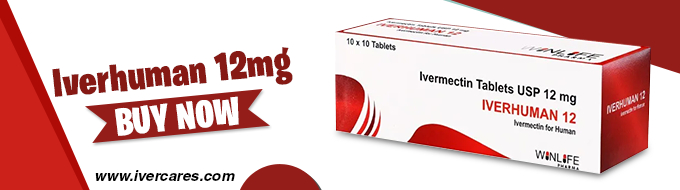
Ivermectin in particular has gotten a lot of attention over the years. For example, Iverhuman 12 mg contains ivermectin and is used for the treatment of some parasitic infections. It works by essentially paralyzing the nervous system of the parasite, stopping it from moving and reproducing. Doctors in the US and UK sometimes prescribe it for strongyloidiasis and other infections, depending on the case.
Important thing to say here: don’t self-prescribe. Dosage matters. The type of infection matters. Taking the wrong medication or the wrong dose can sometimes make things worse or just not work at all.
The Diet Part (It Helps, But It’s Not a Cure)
People love talking about a parasite cleanse diet, and honestly, there’s some logic to it, just not as a replacement for actual treatment.
Certain foods do create a more hostile environment for parasites. Raw garlic, pumpkin seeds, papaya seeds, and oregano. There’s research (some of it limited, some of it decent) suggesting these have antiparasitic properties. Cutting sugar helps, too, since some parasites thrive on it.
But here’s the thing. If you have a real infection and you’re just doing a “cleanse” with no medication, you’re probably not going to fully get rid of it. You might feel better for a bit. The infection might slow. But it won’t disappear.
Use diet as support, not a solution. Eat clean, stay hydrated, cut processed sugar, and add fiber. All of that helps your gut recover and makes the environment less friendly for parasites. But pair it with proper treatment.
Knowing How to Get Rid of Parasites Isn’t Just About Medication
Here’s something that doesn’t get said enough treatment is only half of it.
The other half is making sure you don’t just get reinfected immediately. Which happens more than people realize, especially with pinworms. You treat it, feel fine, and then a few weeks later, symptoms return. That’s usually reinfection, not treatment failure.
Prevent parasite reinfection by washing hands obsessively, especially before eating and after using the bathroom. Wash bedding and underwear in hot water. Trim nails. If one person in a household has pinworms, the whole household probably needs treatment, that’s just how contagious they are.
Also, stop eating undercooked meat. I know some people love a rare steak. But if you’ve been dealing with recurring gut issues, it’s worth thinking about.
Finding the Right Treatment Means Seeing a Doctor
Look, I get it. Nobody wants to walk into a GP (General Practitioner) and say, “I think I have worms.” It’s embarrassing in a way that other illnesses aren’t. There’s something uniquely uncomfortable about it.
But doctors genuinely don’t care. They’ve seen it all. And the earlier you catch it, the easier how to get rid of parasites becomes simpler treatment, faster recovery, and less chance of complications.
If you’re in the US, a primary care physician can order stool tests and refer you if needed. In the UK, your GP is the first stop. Either way, it’s not complicated to get diagnosed.
When It’s More Than Gut Stuff
Sometimes parasites don’t stay in the gut. This is the part nobody wants to think about.
Certain parasites can migrate to the liver, lungs, brain, or muscles. Toxoplasma, for example, can affect the brain, and it’s more common than you’d think (mostly associated with cat feces and undercooked meat). Cysticercosis, caused by tapeworm larvae, can cause lesions in the brain and lead to seizures.
This is rare in otherwise healthy adults with functioning immune systems. But it’s not zero. People who are immunocompromised, elderly, or just unlucky can face serious complications.
Which is why knowing how to get rid of parasites early, before things escalate, genuinely matters.
A Note on Iverhuman 12 mg
If your doctor does prescribe ivermectin, Iverhuman 12 mg is one formulation you might come across. It is a tablet and is taken with water on an empty stomach. Your doctor will tell you exactly how many doses you need, depending on your weight and the particular infection.
Pros: effective against a number of parasitic infections, generally well tolerated, long history of use. Side effects can include nausea, dizziness, and mild skin reactions, usually temporary.
Again, only take this if prescribed. Not all parasites respond to ivermectin. Your doctor needs to match the drug to the infection.
Look, the main thing is don’t wait
People wait too long with this stuff. They hope it resolves on its own. Sometimes it does. Often it doesn’t. And the longer a parasite infection goes untreated, the more firmly it establishes itself, the more damage it can cause, and the harder how to get rid of parasites becomes.
Symptoms that seem mild and manageable can escalate. Gut damage can accumulate quietly. Nutritional deficiencies start showing up. Your immune system gets worn down fighting something you don’t even know is there.
If you’ve been feeling off, tired, gassy, itchy, weight-losing, or brain-foggy, and nothing else explains it, just get tested. A stool sample. Takes maybe 20 minutes of your life.
And if it does come back positive, okay. Now you know. Now you can actually fix it.
Understanding how to get rid of parasites isn’t about being paranoid or dramatic. It’s just about taking gut health seriously before something small becomes something big.
FAQs
- Can I get rid of intestinal parasites without medication?
For minor infections, diet and hygiene can help, but most infections require prescription antiparasitic treatment to fully clear.
- How do I know if my parasite infection is getting worse?
Watch for worsening symptoms such as severe stomach pain, unexplained weight loss, blood in your stool or fever and see a doctor if they occur.
- Is ivermectin safe to take?
When prescribed by a doctor at the correct dose, yes. Don’t self-medicate. The dose depends on your weight and the type of infection.
- Can parasites come back after treatment?
Yes. Reinfection is common, especially with pinworms. Good hygiene practices and treating all household members help to prevent this.
- How long does treatment usually take?
It varies by parasite, some infections are cleared with a single dose and others require a multi-day course or repeat treatment.