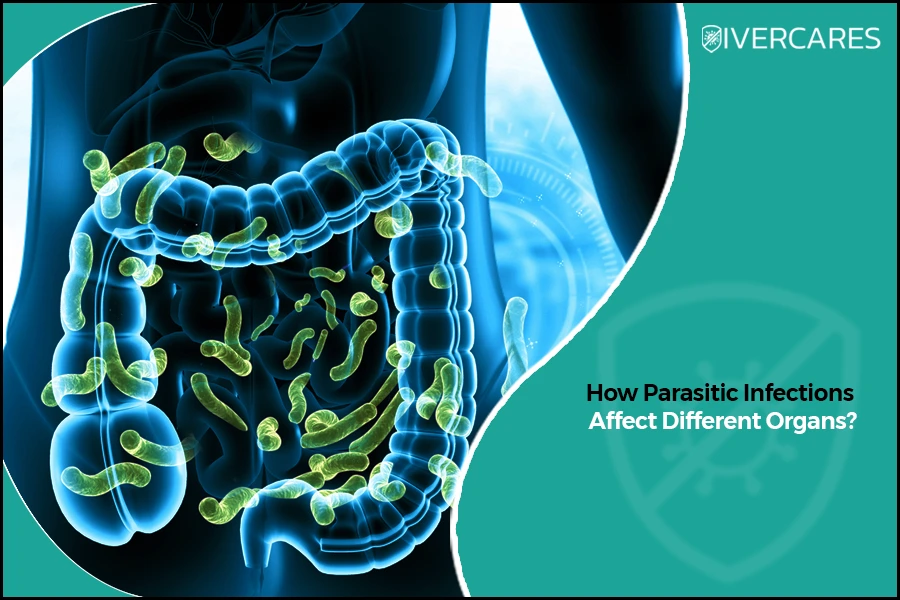
When most people think of a parasite, they usually imagine something stuck in the gut, causing a stomachache and, you know, not much else. But the situation is way more complicated than that. Parasitic infections can actually move pretty far from the digestive system, landing in places like the liver, lungs, brain, kidneys, and yes, also the bloodstream, and each stop brings its own bundle of symptoms and complications. Once you really look at how parasitic infections can affect different organs, it makes you see just how wide-reaching these invisible intruders can be.
Table of Contents
ToggleA Journey That Starts in the Gut but Rarely Ends There
Parasitic infections in humans are almost always kicked off by exposure to contaminated food, water, soil, or insect bites, but where the parasite finally decides to settle depends completely on its species and its life cycle. Some parasites stay in the intestines for the whole time, while others use the gut more like a front door before migrating through the bloodstream into other organs. This parasite migration through organs is one of the most captivating and medically important parts of parasitology, because it explains why two people with “parasitic infection” on paper might show different symptoms in real life.
When the Digestive System Takes the First Hit
Parasites in the digestive system are the most familiar category, and the usual intestinal parasite symptoms tend to include bloating, abdominal pain, diarrhea or constipation, nausea, and weight loss that doesn’t make sense. Roundworms, tapeworms, hookworms, and whipworms all like this environment, competing for nutrients or irritating the intestinal lining directly. The effects of parasitic infections don’t stop at discomfort, because these infections in the gut can disrupt the balance of helpful gut bacteria, and that can mess with nutrient absorption, which then creates ripple effects elsewhere in the body (like fatigue and nutrient deficiencies) that seem unrelated at first, or at least not obviously tied to digestion.
The Liver’s Quiet Struggle
Parasitic infections and liver health are linked in a pretty direct way, since the liver is a major filtering organ and it can become an early stopping point for parasites traveling through the bloodstream. Some tapeworm larvae, like what happens in hydatid disease, form slow-growing cysts inside the liver tissue, while liver flukes can drive chronic inflammation, block bile ducts, and, in serious or long lasting cases, cause lasting liver damage. symptoms of organ damage from parasites often show up as upper right abdominal discomfort, jaundice, unexplained tiredness, and abnormal liver function on routine blood work, and sometimes it gets found by accident, before a person even connects the dots about a parasite being involved.
Breathing Trouble from an Unexpected Source
Parasites affecting the lungs are one of those under-talked-about but still genuinely important areas of the organs affected by parasites. Certain tapeworm larvae and other migrating parasites can settle in lung tissue, leading to cysts, or inflammation that results in a lingering cough, chest pain, and shortness of breath. In a few situations, a parasite can pass through the lungs during an early migratory stage of its life cycle (like with some roundworm species), triggering a temporary but frightening respiratory reaction before the organism continues to another region. These organ-specific parasite symptoms are often confused with normal respiratory infections, and that delay can slow down proper diagnosis.
Parasites in the Bloodstream: The Body’s Highway System
Once parasites in the bloodstream get a foothold, they’re basically given a highway to nearly any organ. That’s part of why malaria parasites spread quickly throughout the body after a mosquito bite, and also why certain worm larvae can move from the intestines to the lungs, liver, or elsewhere. Bloodstream involvement often marks the shift from a more localized infection into systemic parasitic infections, where symptoms get broader and harder to pin to one organ only. Think fever, chills, body aches, and general malaise, which can easily get mistaken for a viral illness.

When Parasites Reach the Brain
The most serious complications of parasitic diseases are parasitic infections of the brain. These are less common, but the stakes are high. Other parasites that can reach the central nervous system can cause inflammation in the brain or in the membranes around it, leading to confusion, personality changes, or coordination problems. These situations really highlight why the diagnosis of parasitic infections matters. Because when treatment is delayed in brain-related cases, long-term effects of parasites can follow, and those effects are often much harder to undo.
The Kidneys Rarely Escape Unscathed
Parasites and kidney health overlap more than most people guess, especially with certain blood flukes and other tissue parasites in humans that can lodge in kidney tissue or in the urinary tract. That can lead to inflammation, blood in the urine, and, in chronic cases, progressive kidney damage. Schistosomiasis is a well-established example of how a parasite can impact the urinary system in regions where it’s common, showing clearly how organ specific parasite symptoms can show up in places many people wouldn’t first associate with a parasitic cause.
The Body’s Defense System Fighting Back
When you try to understand how parasites affect the body, it helps to look at parasites and immune response together, because so much of the harm happens from the body’s inflammatory reaction to the invader more than from the parasite itself. Parasite-related inflammation can bring on tissue swelling, scar formation, and even allergic-like reactions, especially if a cyst breaks open or if the immune system suddenly goes after a migrating larva. That human body response to parasites, even though it is meant to protect, ends up driving a lot of the harsher symptoms that show up when organs get involved.
Recognizing the Signs Across the Body
Since common parasitic diseases can land in different organs, the signs of parasitic infections can end up looking wildly different depending on where they’re staying. Still, there are patterns that show up again and again: persistent tiredness, fevers that keep returning, digestive shifts, skin problems, and symptoms that feel tied to the specific organ system affected. It’s also the parasitic infection symptoms that are mistaken for other conditions because they can copy symptoms from a bunch of unrelated illnesses. For that reason, diagnosing parasitic infections usually leans on more than one method, like stool testing, blood tests, and imaging, and a thorough travel or exposure story, so the whole scenario can be pieced together.
Why Early Diagnosis Changes Everything
What happens long-term depends a lot on how soon the infection is found and treated. If parasites stay confined to the intestines, they are generally easier to clear. But when they travel to organs such as the liver, lungs, brain, or kidneys, the damage can build quietly over months or years, without any loud warning signs. That’s why ongoing unexplained symptoms that involve major organ systems really deserve a proper medical look, especially if you’ve had relevant travel, rural time, or any contact that could be tied to infection sources.
Summing Up
Parasitic infections aren’t usually “just” one stomachache, and understanding how they can affect the digestive tract, liver, lungs, brain, kidneys, and the bloodstream helps explain symptoms that might otherwise seem disconnected. Early recognition, the right tests, and appropriate treatment are still the best tools for preventing lingering organ damage and supporting a full recovery.
FAQs
1. Where do parasitic infections spread?
Parasitic infections spread in areas with limited access to clean water and inadequate sanitation systems.
2. How do parasites enter the body?
Parasites enter the body through the skin and mouth.
3. What is the diagnosis of parasitic infections?
Healthcare providers take samples of sputum (phlegm), stool, blood, urine, or other bodily fluids or of skin samples. As per the results of samples, they start treatment.
4. What are long-term symptoms of parasites?
These are chronic diarrhea, nausea, vomiting, anemia, skin issues, brain fog, and sleep issues.
5. How long can a parasite live in your body?
It depends on the types of parasites. They can live from several weeks to years in your body.