I took antibiotics for a chest infection last year. Felt rough, got the course, and felt better. Then my stomach went weird for about a fortnight. Not ill exactly, just off. Bloated, a bit gurgly, different bathroom schedule.
Table of Contents
ToggleMy pharmacist said, basically, the medicine couldn’t tell the difference. It hit the infection, and it hit the helpful stuff living in my gut too. Which is how I ended up down a rabbit hole about what is good bacteria, what is bad bacteria, and why we need both in the first place.
This is me reading around and trying to make sense of it, so don’t treat any of this as medical advice.
It’s not a war, mostly
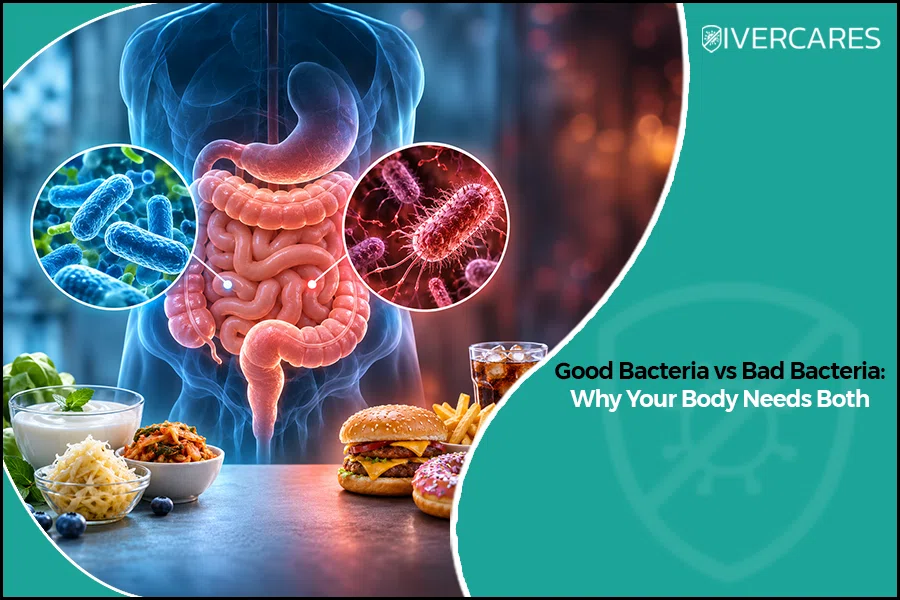
Good Bacteria vs. Bad Bacteria sounds like a boxing match, and that’s not quite right. It’s more like a messy shared house. Most of the time everyone’s fine, occasionally someone hogs the bathroom, and every so often a real problem moves in.
Your body has bacteria pretty much everywhere. Skin, mouth, nose, gut, and urinary tract. The gut gets most of the attention because there’s the most going on down there. Trillions of them. The whole collection in your intestines is your gut microbiome, and it’s about as complex as you’d expect from something with trillions of members.
What is good bacteria, then?
Beneficial bacteria in the body do jobs you actually want done. In the gut, they break down food your own enzymes can’t handle, especially fiber. They make vitamins like K and some B vitamins. They help your immune system learn what’s a threat and what’s just dinner. They even produce chemicals that talk to your brain, which sounds made up but seems to be real.
The role of good bacteria in digestion is basically turning leftovers into useful stuff. Short-chain fatty acids, mainly, which feed your gut lining and help keep it sealed up tight. Without that, things can leak through that shouldn’t, which some researchers think is involved in inflammation and various health problems. Though that “leaky gut” idea is argued about a lot, I wouldn’t say it’s settled.
Good bacteria and immunity are tied together too. Your immune system learns by meeting things. Early exposure to a wide mix of bacteria seems to train it properly, which is one reason kids who grow up with dogs or on farms tend to have fewer allergies. It’s not the only reason, but it’s a chunk of it.
What is good bacteria in practical terms? Names like Lactobacillus and Bifidobacterium turn up a lot in yogurt and supplements. But there are hundreds of species, and the exact mix varies wildly from person to person.
What is bad bacteria?
Harmful bacteria examples are the ones that cause trouble. Salmonella, E. coli O157, Clostridioides difficile (C. diff), Staphylococcus aureus, and Streptococcus pneumoniae. Some of these live on you harmlessly most of the time and only cause problems if they get somewhere they shouldn’t, or if your immune system is down.
Others you pick up from food, water, or other people. Bacterial infections like these are what antibiotics are for. Pneumonia, some ear infections, urinary tract infections, and skin infections.
The thing is, some bacteria are neither obviously good nor bad. They just sit there. And context matters. E. coli in your gut is usually fine. E. coli in your water supply is a public health emergency.
Why your body needs both
This was the bit that surprised me. Your body needs bacteria, full stop. Sterile isn’t better.
Why your body needs bacteria starts early. Babies pick up their first microbes during birth and breastfeeding, and that initial population trains the immune system. Kids born by caesarean section have a slightly different mix, and there’s some evidence they have slightly higher rates of certain immune conditions. Though it’s a small difference and plenty of C-section babies are completely fine.
If you had no bacteria at all, your immune system wouldn’t know what to do. It might overreact to harmless things, which is basically an allergy. Or underreact to real threats. The presence of harmless bacteria seems to keep it calibrated.
Even the so-called bad ones can play a part. Bacteriophages, which are viruses that infect bacteria, keep populations in check. And some harmful bacteria can stimulate immune responses that end up being protective in ways nobody fully understands.
It’s a balance, not a cleanout.
When the balance tips
Bacterial imbalance (dysbiosis) is when the mix gets out of whack. Too many of one type, not enough of another, or the wrong types moving in.
It can happen after antibiotics, which is what happened to me. It can happen after a stomach bug, with a bad diet low in fiber, during chronic stress, or with some medical conditions. Signs of unhealthy gut bacteria might include bloating, gas, diarrhea or constipation, or just a general sense that your digestion isn’t right. Though honestly, those symptoms are so vague that they could be a hundred things.
There’s a lot of excitement about dysbiosis being linked to obesity, depression, autoimmune diseases, and more. Some of that research is promising. Some of it is early, overhyped, or based on studies in mice that don’t always translate to humans. I’m cautiously interested, not convinced.
Antibiotics: necessary and annoying
Back to my chest infection. I needed the antibiotics. Chest infections can turn nasty, and I’m not about to suggest anyone avoids them when a doctor says they’re needed.
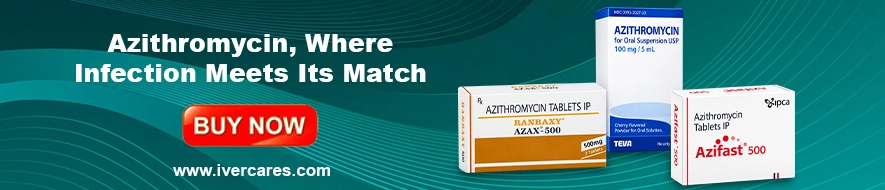
But antibiotics don’t aim. A broad-spectrum one, like azithromycin, hits a wide range of bacteria. That’s the point. It clears the infection, and it also disturbs your gut bacteria.
You might come across the Azifast 500 mg Tablet if you’re looking online, which is an Indian brand of azithromycin used for respiratory and other bacterial infections. Like any antibiotic, it should only be taken when prescribed, and you should finish the course unless a doctor tells you otherwise. Azifast 500 mg tablets, or any antibiotic, can disturb your gut microbes, so some people find yogurt or a basic probiotic helps afterwards. The evidence for probiotics is mixed, but they’re generally safe for most people.
How to increase good bacteria in the gut
The boring answer is fiber. The microbes that seem to be good for us mostly eat fiber, and the modern diet often doesn’t give them much.
Fermented foods help too. Yoghurt, kefir, sauerkraut, kimchi, and miso. They don’t necessarily colonise your gut, but they add variety and useful compounds. Variety seems to be the key. A diet with lots of different plant foods, around thirty different types a week, according to one study, is linked to a more diverse microbiome.
Probiotics and prebiotics sound similar but aren’t. Probiotics are live bacteria in supplements or food. Prebiotics are fibers that feed the bacteria already there. Both get marketed heavily, and the quality of supplements varies enormously. Some have been studied properly. Many haven’t.
I eat more vegetables now. Not because I’m virtuous, but because I noticed the difference. Less dramatic than a supplement, more reliable.
The poo transplant bit
I said I wouldn’t over-explain, but this is too weird to skip.
For severe C. diff infections that keep coming back, doctors sometimes do a fecal microbiota transplant. Healthy donor poo, filtered, is put into the patient’s gut. It works staggeringly well for C. diff, far better than more antibiotics. It’s being researched for other conditions too, like inflammatory bowel disease and even obesity, though it’s early days and not something you’d do lightly.
If that doesn’t show you how much the mix matters, I don’t know what will.
It’s not all about the gut
Gut bacteria get the headlines, but your skin has its own ecosystem. So does your mouth. So does your vagina, if you have one. An imbalance in any of these can cause problems. Thrush, bacterial vaginosis, acne, and gum disease.
The mouth is a good example. Streptococcus mutans is a normal mouth resident that turns sugar into acid and rots your teeth. It’s not an invader. It’s just doing its thing in a way that harms you if you feed it sugar and don’t brush.
So Good Bacteria vs. Bad Bacteria isn’t even the right frame sometimes. It’s more about good conditions vs. bad conditions.
What I’d tell my past self
Eat more plants. Don’t take antibiotics you don’t need, but take them when you do. Don’t expect a yogurt drink to fix a bad diet. Pay attention to your digestion without obsessing over it.
The microbiome is trendy right now, which means there’s a lot of noise. Supplements promising to “boost” your gut health are everywhere. Most claims are ahead of the evidence. Be skeptical of anything that sounds too tidy.
FAQs
1. What is good bacteria?
bacteria that help your body, mainly by digesting food, making vitamins, and supporting your immune system.
2. What is bad bacteria?
Bacteria that can cause infections or illness, like Salmonella or C. diff.
3. Do I need bacteria to be healthy?
Yes. Your body needs bacteria for digestion, immune training, and other functions.
4. Can antibiotics harm good bacteria?
Yeah, they can mess with your gut microbiome, so they’re only used when necessary.
5. How can I support my gut bacteria?
Eat a diverse diet high in fiber, lots of plant foods and some fermented foods.