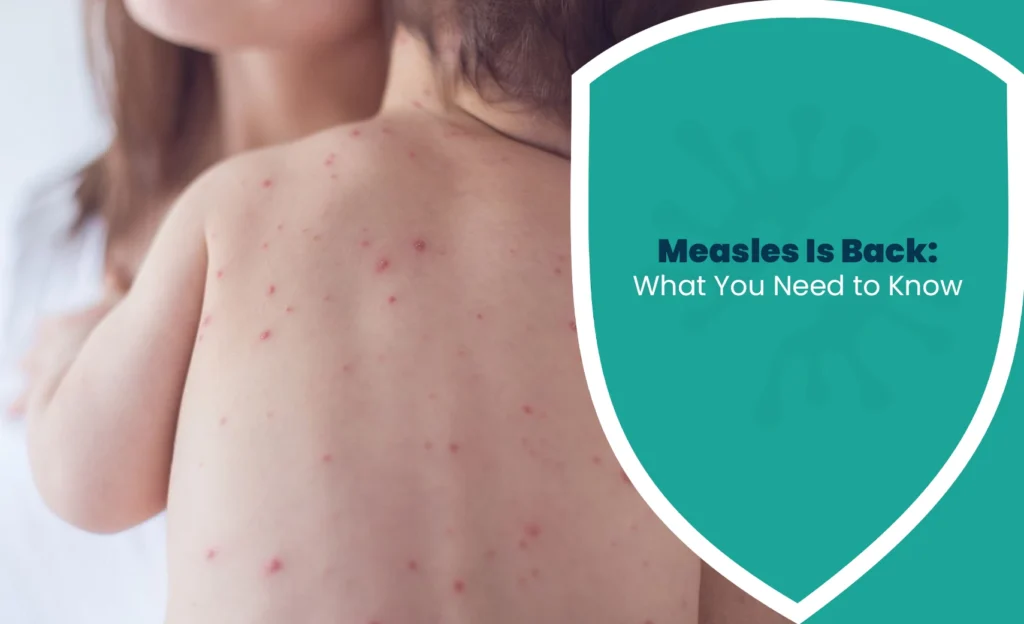
Measles was supposed to be one of those diseases people only read about in old medical textbooks. It got eliminated from the US back in 2000, more or less handled in the UK too, mostly a memory. Except it isn’t a memory anymore. Cases have been climbing for a couple of years now, and 2026 has already outpaced last year’s numbers, which were already the worst in over three decades in the US.
So the question a lot of people are quietly asking- Is measles coming back again? Short answer: yes.
What is measles?
Measles is a virus. Not bacteria or bacterial infection, not “just a bad rash,” an actual virus, and one of the most contagious ones known to exist. There’s a stat that gets repeated a lot: if one person has it, up to nine out of ten unprotected people nearby will catch it too. Nine out of ten. That’s a wild number when you think about how many diseases spread nowhere near that easily. It travels through the air, it lingers in a room after the infected person has already left, which honestly is the part that freaks people out most once they hear it.
Physicians sometimes call it rubeola. Not to be confused with rubella: measles rubella gets mixed up constantly, they’re different viruses, different diseases, though the MMR shot covers both of them along with mumps. That naming overlap trips a lot of people up, understandably.
Why is it coming back now?
Vaccination rates. That’s basically it, though of course it’s never just one thing. Global vaccination dipped hard during the COVID years and never fully recovered in a lot of places. Then there’s the broader trend of vaccine hesitancy, which has been growing steadily, not overnight, just slowly chipping away at community protection. Health officials use this idea of “herd immunity”-you need something like 95% of a population vaccinated to keep measles from spreading. Drop even a percent or two below that and outbreaks start finding room to breathe.
One report noted that a 1% decrease in childhood MMR vaccination rates could translate into roughly 17,000 additional measles cases, thousands of hospitalizations, and dozens of preventable deaths a year. That’s not a huge shift in vaccination numbers causing that. A single percent.
In the US, most of this year’s cases have been locally acquired rather than brought in from abroad, which says that this isn’t just travelers importing it anymore, it’s spreading within communities that have gaps in protection. The UK has its own version of this story, London and the West Midlands seeing clusters pop up repeatedly.
Where does the measles rash start from?
This is one of those questions people search a lot, understandably, because the rash is usually the thing that finally makes someone go “okay, this isn’t just a cold.”
Measles often begins with symptoms that can look like a respiratory infection:
- High fever
- Cough
- Runny nose
- Red or watery eyes
- General tiredness or feeling unwell
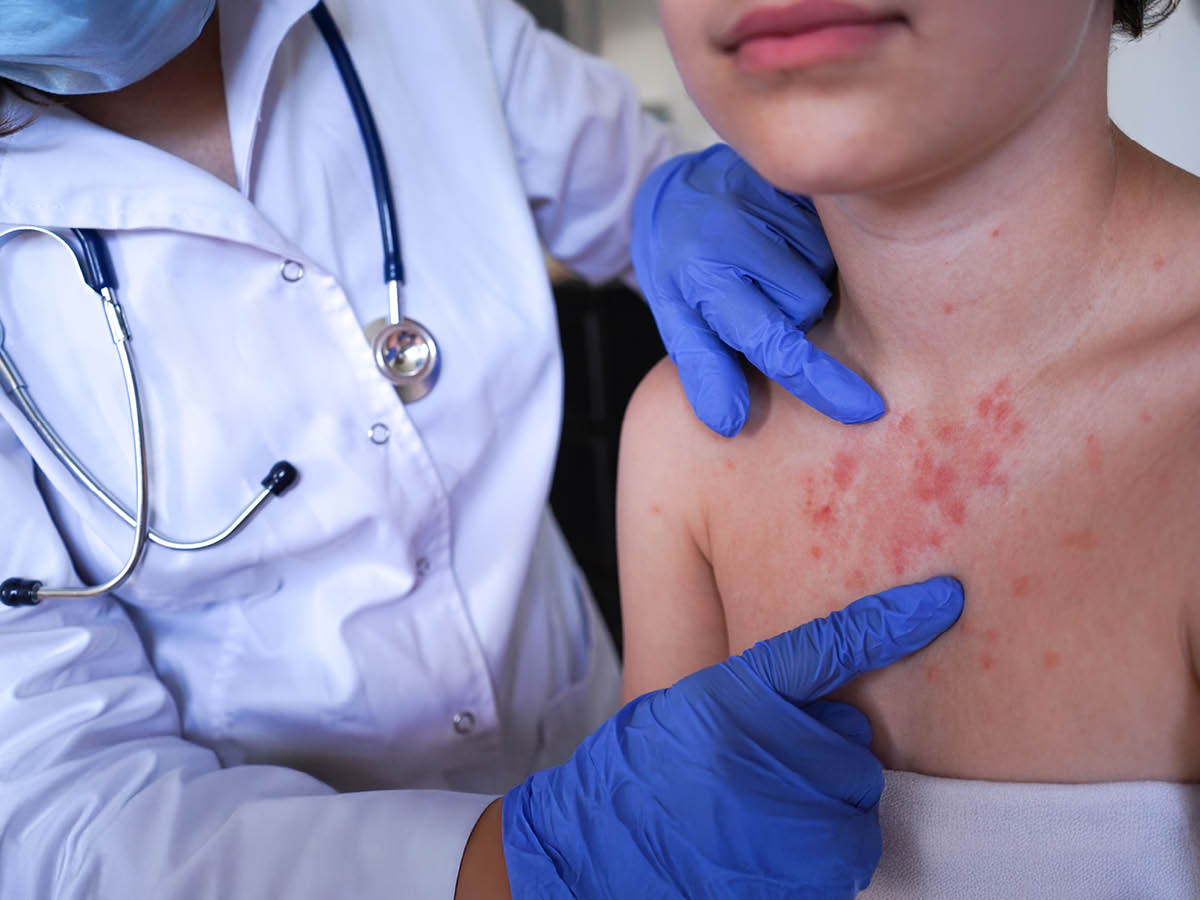
Rashes typically start at the hairline and face, then work its way down the body over a few days: neck, trunk, arms, legs, in that order roughly. Before the rash even shows up though, there’s usually a stretch of several days with fever, cough, runny nose, red watery eyes. Kind of flu-like at first, which is part of why it gets missed early on. Some people also get these small white spots inside the mouth, called Koplik spots, a day or two before the rash appears-not everyone notices these, but physicians look for them.
The rash itself is flat, red, blotchy and sometimes the spots merge into bigger patches. It’s not itchy the way chickenpox is, which is one distinguishing feature people bring up.
Are measles deadly?
Sometimes. Not usually, but sometimes.
Measles can lead to complications including:
- Ear infections
- Diarrhea and dehydration
- Pneumonia
- Encephalitis, or inflammation of the brain
- Hospitalization
- In rare cases, death
Most people recover. But young children, pregnant ladies, people with weakened immune systems: these groups are genuinely vulnerable to severe outcomes, including pneumonia, brain swelling (encephalitis), and yes, death. It’s not a common outcome, but it’s common enough that public health agencies treat every outbreak seriously. Historically measles killed a significant number of children worldwide before vaccination programs became widespread. Hospitalization rates in recent outbreak data hover somewhere around 7%, which sounds low until you remember that’s out of thousands of cases and climbing.
The MMR shot: What it actually does?
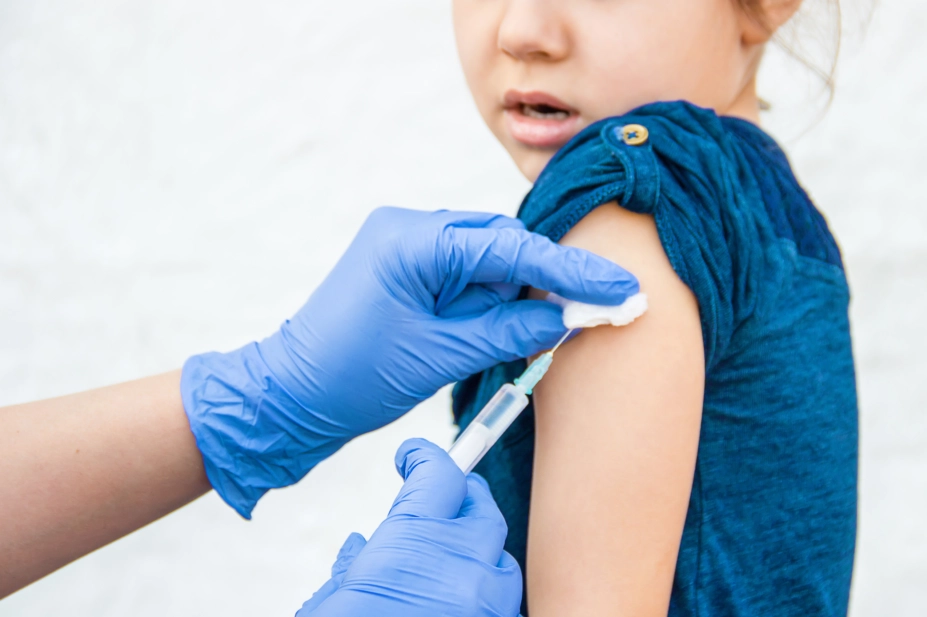
Two doses. That’s the standard schedule, usually one around 12-15 months and a second between 4-6 years old, though exact timing varies a little between US and UK schedules. Two doses gets you to around 97% effectiveness against measles specifically. One dose alone is still good, somewhere in the low 90s percentage-wise, but two is where the real protection kicks in.
Almost everyone getting sick in this current wave are majorly unvaccinated or have an unknown vaccination status. That pattern keeps showing up in the data over and over. Some people worry about the vaccine itself, side effects, that old debunked autism claim that just will not go away no matter how many times it’s been disproven. Worth saying plainly: that link was based on fraudulent research that’s been retracted and discredited for over two decades now. The actual side effects people experience from MMR are typically mild: sore arm, maybe a low fever for a day, sometimes a small rash. Serious reactions are rare.
What do the actual numbers look like right now?
As of late August 2026, the US has logged over 2,700 confirmed measles cases for the year already, spread across dozens of states, with dozens of separate outbreaks. That already exceeds the full-year total from last year, and last year was already the highest annual count since 1991. So this isn’t a blip, it’s a trend, and it’s accelerating.
Kids and teens make up the majority of cases: around two-thirds. Nearly one-fifth are children aged five and under, which is the group where complications hit hardest.
Across the Atlantic, England has been tracking its own rise too, with case numbers well above where they were a few years back, London carrying a disproportionate share of it. Not identical patterns to the US, but the same underlying story-gaps in vaccination coverage giving the virus room to move.
What should people do about this?
Check vaccination records. Genuinely, that’s most of it. If you or your kids are up to date on MMR, the actual personal risk is low. If there’s any uncertainty about doses, a quick call to a physician’s office or pharmacy can sort it out. Sometimes people assume they’re vaccinated and actually only got one dose as a kid, or none, depending on when and where they grew up.
Travelers should double check too, especially before international trips, since measles is still very active in a lot of countries and international travel remains one of the ways outbreaks get seeded into new communities.
If someone does develop symptoms like fever, spreading rashes, red eyes-health guidance is generally to call ahead before showing up at a clinic or ER, so they can take precautions and not expose a waiting room full of people, including newborns and immunocompromised patients who can’t be vaccinated.
FAQs
- Where does the measles rash start?
Usually at the hairline and face first, then spreads downward to the neck, trunk, and limbs over a few days.
2. Are measles deadly?
They can be, especially for young children and people with weak immune systems, though most people recover.
3. What’s the difference between measles and rubella?
Different viruses entirely-rubella is milder, but both are covered by the same MMR vaccine.
4. How many doses of the MMR shot do you need?
Two doses, usually in early childhood, give around 97% protection against measles.