There are no more uncomfortable conditions than an ear infection: the pain, the loss of hearing, and the pressure that just seems to grow. If your child tugs at their ear or it hurts you, you’re likely to have one question: Do they need antibiotics, or can it be treated with other methods?
Table of Contents
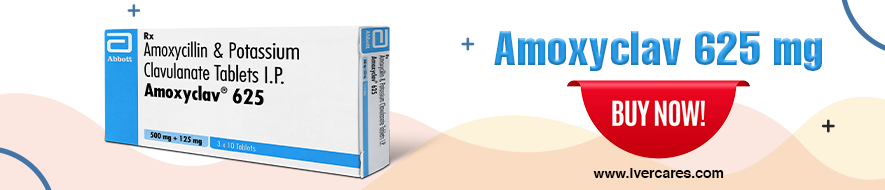
ToggleThe answer is not a simple yes or no but lies in the subtleties of decades of medical research. This blog examines the science behind ear infections, the statistics from around the world regarding the prevalence of the infections, and why treatment is only medically necessary in certain circumstances, such as antibiotic therapy including Augmine 625 or Moxikind CV 625.
How Common Are Ear Infections?
256 million children suffered from ear infections in 1990. This number increases to 297 million in 2021. 91% of cases are shown among young people who are under 30 years old. In 2021, 14,775 per 100,000 children were found to have ear infections. This health issue is more than a simple infection. It is recognized as a childhood disease in the world. It is expected that 334 million children may be infected in 2050 globally.
Do Ear Infections Heal on Their Own?
The American Academy of Family Physicians also notes that antibiotics should not be routinely used as the first treatment for all children with acute otitis media, as the majority of cases, 70 to 90%, resolve spontaneously within a week to two weeks of the onset of the infection.
But if it “solves itself,” it isn’t necessarily painless or worry-free. In a study of non-severe cases treated with watchful waiting, two-thirds of patients improved without the use of antibiotics, but at a slower rate than patients given antimicrobial therapy. Furthermore, it has been reported that 19% of children with AOM who did not receive antibiotic therapy had a failure of therapy within 1-7 days of their initial presentation, whereas 7% of children treated with amoxicillin experienced failure of therapy.
At the core of modern care for ear infections is the fact that many are self-resolving, while a substantial proportion are not. It is the need to distinguish between them to formulate clinical judgments and monitor what comes into play.
How Long Does an Ear Infection Last?
Mild cases: Usually resolve within 2-3 days, even without treatment, because the body’s immune system starts to fight the infection.
Typical spontaneous resolution: For the uncomplicated cases, 7-14 days is the typical period of spontaneous resolution.
Treated cases: When the antibiotics are appropriate and prescribed, the improvement of symptoms is usually noticed in 48-72 hours, and the symptoms are resolved within 1 week to 10 days.
Other cases that are complicated or recurring: These may be more protracted and may necessitate further evaluation, particularly if fluid remains in the middle ear for more than a few weeks.
Irrespective of whether antibiotics are administered, pain control in the first 48 hours is considered to be a priority, as discomfort is often at its peak during the initial 48 hours of the illness before the body’s immune response or treatment is at its fullest.
Viral vs Bacterial Ear Infection: Why It Matters
An important difference in deciding treatment is whether it is an ear infection or a bacterial infection or of viral origin, as the two require completely different management strategies
Upper respiratory infections are common with viral ear infections, and the ear infection usually improves spontaneously when the primary infection is over. Because viruses cannot be treated with antibiotics, many ear infections do not require treatment with antibiotics. A persistent worsening infection is more likely, and antibiotic treatment is more likely to help with these infections.
Identifying the cause of a respiratory infection, whether viral or bacterial, is not always easy in real-world clinical practice, and this is why a combination of symptom severity, duration, and clinical signs is used in clinical practice to help guide treatment decisions and not just an assumption.
Signs an Ear Infection Is Getting Worse
- Increasing or intense ear pain, instead of getting better over time
- A fever that is high or does not go down, particularly if it is above 102°F (39°C)
- Ear drainage of fluid or pus, which could be a sign of an eardrum that has burst
- If symptoms last for more than 2-3 days and do not improve.
- Persistent or worsening hearing problems
- Swelling or redness behind the ear (may indicate a more serious complication)
- High levels of irritability and/or lethargy, especially in infants and young children
- Recurrent infections, which could indicate a problem that needs to be investigated.
When Antibiotics Become Necessary
Antibiotic treatment is usually recommended by clinical guidelines in certain situations. Current pediatric guidelines recommend antibiotics in children under six months of age, children between the ages of six months and 2 years if the diagnosis is certain, and those with severe infections; usually high-dose amoxicillin is the first line of treatment.
Amoxicillin-clavulanate combinations are typically used in cases of resistance, recurrent infections, or when additional antibiotic activity is needed. This combination contains amoxicillin combined with clavulanic acid, which is used to overcome some types of bacterial resistance. Thus, it is effective against a wider range of bacteria, including beta-lactamase-producing strains of Haemophilus influenzae and Moraxella catarrhalis that are resistant to amoxicillin alone.
Where Augmine 625mg and Moxikind CV 625mg Fit In
Both Augmine 625 mg and Moxikind CV 625 mg are amoxicillin-clavulanate combination antibiotics that are both used to treat bacterial ear infections, especially when
- The diagnosis of infection is confirmed or highly suspected as bacterial infection
- Moderate to severe symptoms occur
- The patient is at high-risk age (particularly infants and young children)
- Initial observation or first-line treatment hasn’t led to improvement
- There’s a history of recurrent ear infections
These are a combination of amoxicillin and clavulanic acid, which give wider-spread action against bacteria than amoxicillin alone and are suitable for infections that are less likely to get better on their own or that have not improved on first treatment. Like all antibiotics, these should only be taken under medical supervision and used strictly as prescribed. Inappropriately or incorrectly using an antibiotic can help raise the issue of antibiotic resistance. This is highlighted in the same research analyzing ear infection treatment trends as being a growing global concern. Ear infection recovery time depends on the treatment process and the body’s strengths.
Supporting Recovery Alongside Treatment
- Good pain management during the first 48 hours can make a huge difference in comfort.
- Helps keep the overall immune system and recovery.
- Don’t put anything in the ear canal, as this may irritate and/or injure it.
- Taking the drug for less than the recommended duration will promote drug resistance and the likelihood of recurrence.
- Routine follow-up if no improvement in symptoms within a reasonable recovery time.
Final Thoughts
So, can an ear infection go away on its own? For many people (especially those with mild or moderate cases), the answer is actually yes. Research always indicates that the spontaneous resolution rate is between 70% and 90%. But this isn’t always the case, and knowing the difference between a viral ear infection and a bacterial ear infection, as well as knowing how long an ear infection will last and how to know if it’s a bad ear infection, are all important aspects of safe, informed ear infection care.
Depending on the severity of the infection and whether a bacterial infection is confirmed or strongly suspected, especially in children and young people at high risk of complications or infections that do not improve on observation, antibiotics can be an important part of resolving the infection and preventing complications, such as Augmine 625 mg or Moxikind CV 625 mg. As usual, antibiotic prescriptions should be based on a strong clinical judgment and an individual clinical assessment by a competent health professional taking into account the particular symptoms, age, and clinical condition.
Frequently Asked Questions
1. Do ear infections heal on their own without antibiotics?
In many cases, yes. It has been shown that spontaneous resolution rates for acute otitis media have been as high as 70% to 90%, especially if the disease is mild to moderate. In some cases, however, particularly if there is a bacterial infection, especially in young children, symptoms may need to be treated with antibiotics in order to fully overcome the infection and prevent complications.
2. How long does an ear infection last?
If you start treatment without any delay, your ear infection can be cured within 7 to 14 days. Mild cases can be cured or start to cure within 2 to 3 days. Antibitoc starts to work within 48 hours to 72 hours.
3. What’s the difference between a viral and bacterial ear infection?
Bacterial infections show symptoms, whereas viral infections connect with colds or upper respiratory infections. Treatment of both infections are different. If you suffer from any of these infections, you should take advice from your doctor.
4. What are some signs of a worsening ear infection?
The common signs are fever, fluid drainage from ears, etc. it can be cused within 2 to 3 days after starting treatment.
5. When do antibiotics such as Augmine 625 mg or Moxikind CV 625 mg help treat an ear infection?
The use of these amoxicillin-clavulanate antibiotics is generally reserved for confirmed or strongly suspected bacterial infections, such as in infants and young children, when there is more severe disease or when disease is not responding to initial observation. Use only under medical supervision and according to medical orders.