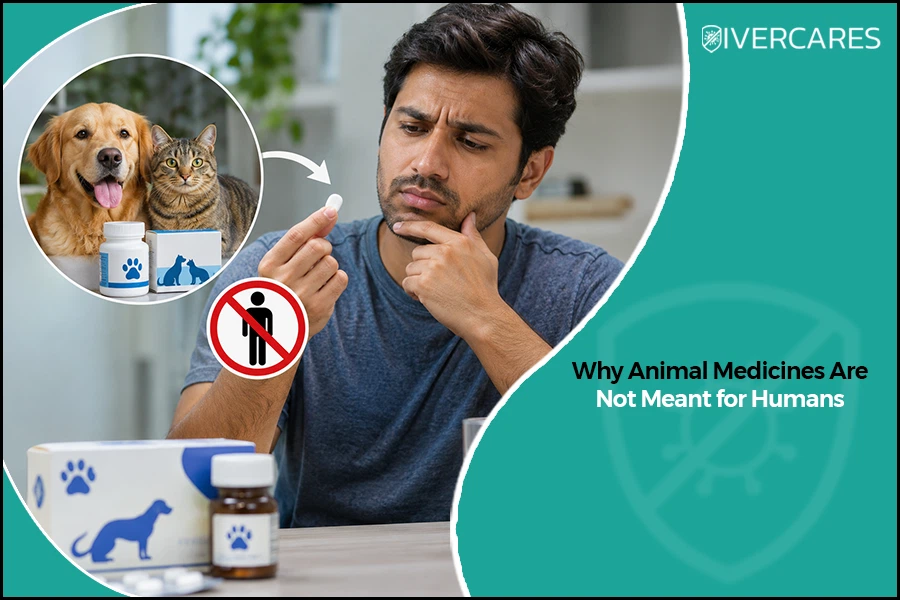
A mate of mine, I’ll call him Rob, told me at a barbecue that he’d been taking his dog’s worming tablets.
Table of Contents
ToggleNot for worms. He’d watched a video saying they “do something” for cancer. He doesn’t have cancer. He was taking them “just in case.”
I nearly dropped my burger.
Rob isn’t daft, by the way. He’s an accountant who reads the small print on everything. Which is sort of what got me thinking. If he’s doing it, plenty of other people probably are too.
This is me reading around after that conversation, so please don’t treat it as medical advice.
Why is anyone even doing this?
You might remember 2021. Ivermectin was everywhere, and people were buying the horse paste version from farm supply shops. US poison control centers reported a big jump in calls. The FDA ended up posting the now-famous line, “You are not a horse. You are not a cow.”
Funny. Also not funny, because some people ended up in hospital.
Now it’s fenbendazole, a dog and livestock dewormer, getting passed around online as a cancer cure. Before that, it was fish antibiotics. There’s always something.
I get the appeal, sort of. Vet products are often cheaper, you don’t need an appointment, and if you already don’t trust doctors, a tub from the farm shop feels like a workaround. Searches for animal medicines for humans seem to climb every time a new video goes viral.
But cheap and easy isn’t the same as safe. Not even close.
Isn’t a drug just a drug?
That’s what Rob said. “It’s the same chemical.”
Sometimes it is. Plenty of drugs are used in both people and animals, often the same active ingredient. But the difference between human and animal drugs goes way beyond the name on the box.
Vets spend years learning how different species handle medicines. That’s really the heart of veterinary medicine vs. human medicine. A dog’s liver doesn’t process things the way yours does. Cats can’t handle paracetamol at all. Horses, cows, and dogs all break drugs down at different speeds.
So a dose that’s perfectly fine for a 30kg Labrador tells you very little about what it does to a 75kg man. Or a 60kg woman on blood pressure tablets.
What else is in there
This bit I hadn’t thought about at all.Animal drug formulations often include other stuff: meaty flavorings so a dog will actually eat the thing, carriers designed to be mixed into feed, preservatives, and bases that were tested in the target animal and nobody else. Some of it is probably harmless to you. Some of it just hasn’t been checked.Products for animals are made to standards meant for animals. They might be excellent standards. They’re just not the same tests, done on the same species, for the same purpose.Who actually checks this
How animal medicines are regulated surprised me a bit. In the US, it’s the FDA’s Center for Veterinary Medicine. In the UK, it’s the Veterinary Medicines Directorate, while human drugs go through the MHRA instead.FDA approval for veterinary drugs means the drug was shown to be safe and effective for the species on the label, at the dose on the label. A dog, a horse, a chicken. Not you.When a box says “not for human use,” that isn’t a lawyer being fussy. It means nobody has tested it in people.Some products sold online aren’t approved for anything at all. They’re just listed with very careful wording.Okay, fenbendazole, since it keeps coming up
Fenbendazole is a dewormer used in dogs, cats, horses, and farm animals. It’s been around for decades and works well for that.You’ll now see Fenbendazole Capsules 444 mg sold online, sometimes labelled as a “supplement,” sometimes with a tiny disclaimer saying it isn’t meant to treat anything. Which feels a bit odd, given why most people are buying it.It isn’t approved for human use in the US or the UK.The cancer claims come mostly from personal stories, plus lab and animal studies. Those can be interesting starting points. They’re not proof. As far as I can find, there are no solid human trials showing it treats cancer.There are case reports of liver injury in people taking it on their own, though. That includes cancer patients, where it can muddy the waters. One report described doctors having to work out whether liver damage came from the patient’s immunotherapy or from fenbendazole. That’s a delay nobody needs in the middle of treatment.If you’ve already got a bottle of Fenbendazole Capsules 444 mg in your cupboard, please tell your doctor, especially if you’re being treated for anything serious. They won’t laugh. They’ve probably heard it before.What can actually go wrong
The dangers of animal medicines aren’t always dramatic. Sometimes it’s just an upset stomach, and you think you got away with it.But animal medicine side effects in humans can include nausea, vomiting, diarrhea, rashes, liver problems, nerve and brain effects with some drugs, and allergic reactions. Then there are interactions with whatever else you’re taking. Blood thinners, epilepsy drugs, and antidepressants are all things a vet’s product was never tested alongside.Honestly though, I think the biggest risk is the quiet one. Delay.If you’re treating a real illness with something from the pet shop, you might not see a doctor until it’s much further along. The risks of self-medicating with animal medicines include having nobody watching your blood, nobody checking whether it’s working, and nobody to catch problems early.Quick tangent: it goes the other way too
Don’t give your pets your meds either.Ibuprofen can damage a dog’s stomach and kidneys. Paracetamol can kill a cat. Even a small amount. If your animal is in pain, ring the vet. Annoying and expensive, I know. Still cheaper than the alternative.So, can you take them?
Can humans take animal medicines? The short answer is no. Not safely, not on your own.Are animal medicines safe for humans? They might contain the same ingredient as a human drug, but the dose, the extras, and the testing are all aimed at a different body. “Probably fine” isn’t really a safety standard.Veterinary medicines are for the animal they were prescribed for. That’s it.Safe use of medicines comes down to the right drug, the right dose, and the right person, with someone qualified keeping an eye on things. It’s dull advice. It’s also the advice that keeps people out of A&E.So if a video has you tempted, consult a doctor before taking medicine of any kind, especially anything not made for you. Bring the link if you want. A good doctor will actually talk it through.And if someone swallows a pet product by accident, a child, for example, call NHS 111 in the UK. In the US, ring Poison Control on 1-800-222-1222. In an emergency, call 999 or 911.Back to Rob
He stopped the tablets. His GP ran some blood tests, his liver was fine, and he got a gentle telling-off.He said the thing that got him was realizing nobody had ever tested those pills on a person. “I just assumed someone had,” he said.That’s the point, really. Animal medicines are carefully made, tested, and regulated. Just for animals.FAQs
- Can I take my dog’s medicine if it’s the same drug as mine?
- Is fenbendazole approved for people?
- What if I swallowed a pet tablet by accident?
- Are vet drugs lower quality?
- Can I give my pet my own painkillers?