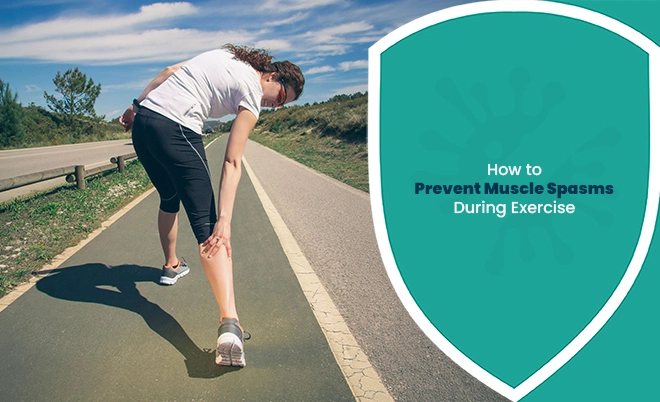
How to Prevent Muscle Spasms During Exercise
A sudden, sharp spasm or contraction of a muscle during the movement of your exercise, stopping everything and waiting for it to subside, is one of the most upsetting elements to a good workout. Muscle spasms can happen at any time, anywhere, whether you’re on the run in the morning or in the middle of a set of deadlifts. They can ruin momentum and, in extreme cases, even keep you from exercising at all. Learning how to prevent muscle spasms during exercise requires an understanding of what causes muscle spasms in the first place and when exercise-related cramping and muscle spasms might be related to a more chronic, underlying condition for which a medical treatment such as Baclofen Dura 10 mg may be applicable.
Table of Contents
ToggleWhat’s Actually Happening When a Muscle Locks Up
Muscle spasms are basically an abnormal, uncontrolled, and extreme contraction of the muscle that the muscle has no means to relax. Although it may seem like it happens suddenly, most often it’s a culmination of a series of factors that lead to the spasm. The first step in understanding the cause of muscle spasms is to understand that they depend on a fine balance of electrical signals, fluid balance, and mineral balance for the muscles to move correctly to prevent muscle spasms. However, if this balance is disturbed, whether by dehydration, mineral imbalance, or simple over-exertion, the normal “communication” between the nerves and muscle fibers can go awry, causing an involuntary muscle contraction that refuses to relax until the imbalance is corrected.
Digging Into the Root Triggers
The causes of exercise cramps can usually be categorized into a few overlapping reasons that can occur during an intense training session. Any decrease in fluid around the muscle cells due to dehydration can make the muscle cells more likely to irritate and fire involuntarily. The loss of electrolytes, especially sodium, potassium, calcium, and magnesium, all of which have direct functions in nerve and muscle communication, is also a significant factor, particularly if the workout is long or strong, and a lot of sweat is lost. It will be hard to prevent muscle spasms. Fatigue is a major issue during exercise, because fatigued muscles are unable to move the body in the most efficient way, and they are much more prone to spasms, especially at the end of a strenuous exercise when they are truly fatigued. The most common causes of the dreaded muscle lock-up are poor conditioning, insufficient warm-up, and going too fast or too long.
The Hydration Factor You Can’t Afford to Ignore
When it comes to prevent muscle spasms, muscle hydration during exercise is of particular importance; it’s one of the most controllable variables, yet also one of the most overlooked, particularly by individuals who don’t feel especially thirsty despite being extremely sweaty. Correct hydration is not only about drinking water before or during the exercise; it is actually about drinking water in sufficient amounts throughout the day in advance of the exercise. With longer and more intense sessions, especially those that last more than an hour or are done in hot, humid environments, replacing electrolytes along with water is as important as the water, as drinking copious amounts of plain water without replenishment of lost sodium and other minerals can actually decrease your electrolytes even more, which counter-intuitively can worsen cramping chances.
Practical Ways to Prevent Muscle Spasms While Exercising
When it comes to practical tips to prevent muscle spasms during exercise, there are a few that work for all exercises. A good dynamic warm-up at the beginning of each session helps to build up blood flow and get muscle fibers ready for the activity to come up at the front of the session, minimizing the risk of catching a late-night cramp. Ramping up intensity and duration of exercise over time instead of drastically upping your mileage or weight from one workout to the next will allow your muscles to adapt properly to the new demands made of them. Regular stretching, both before and after physical activity, along with continuing strength training of frequently cramping muscle groups, such as the hamstrings and calves, creates the type of muscular resistance that makes them far less likely to develop in the first place.
Riding with a steady pace is as important as the training you’ve done to prevent muscle spasms. If a muscle starts to get tired during exercise (like just twitches or a slight loss of coordination in a certain group of muscles), then you can reduce the intensity or have a brief break before the muscle goes into a full spasm. During the activity (not just after), electrolytes are needed to keep the minerals in balance to prevent muscle cramps during exercise. Your muscles need to keep working as the activity continues, so the use of electrolytes strategically during the activity will benefit endurance.
Prevention Doesn’t End When the Workout Does
After-exercise rest is also a key component to prevent muscle spasms, especially for those who tend to get cramps during the night after a hard workout. Hydration and electrolyte replacement after exercise replenish the balance that was lost by excessive sweating during exercise, and stretching previously stressed muscle groups can help relieve any tension that may have accumulated in those muscle groups before it is allowed to build up into a muscle spasm several hours later. It is also important to allow adequate recovery time between periods of heavy training in order to allow the muscles to recover to prevent muscle spasms. These are under-recovered and constantly strained and are significantly more spasm-prone than those that are well rested.
When Cramps Point to Something Beyond Exercise
Although the hydration, conditioning, and pacing strategies discussed above are effective in the majority of cases of exercise-related muscle spasms, there are some individuals who develop cramping that is more frequent, intense, or prolonged than normal exercise-induced cramping, or who have cramping that occurs outside of exercise activities altogether to prevent muscle spasms. If they do, causes of muscle spasms may be due to an underlying neuromuscular problem, nerve irritation, or chronic muscle spasticity problem. This is when a discussion with a healthcare provider becomes important, not simply relying on hydration and stretching programs, which were developed for normal exercise-induced cramping.
Medical Treatment
People who deal with chronic muscle spasticity experience multiple sclerosis and spinal cord injury. They also experience neurological disorders. Baclofen Dura 10 mg is a pharmaceutical drug that is used as a muscle relaxant. Healthcare providers recommend this medicine for routine exercise cramping. You have to adopt a broader management plan to cure your muscle spasms. This medicine works by managing the central nervous system. This reduces excessive nerve signaling, which is responsible for persistent muscle spasticity. Baclofen is not for general muscle issues. This is used in serious cases. You have to keep yourself hydrated and take help from trainers during exercises to reduce risk. Athletes face this type of muscle condition because of their hard exercise routine in their daily life. You have to adopt healthy muscle function to prevent muscle spasms.
Summing Up
You have to be focused during exercise or physical activities to prevent muscle spasms. You should take electrolytes and water to recover your muscles. You make proper recovery sessions through gradual conditioning and smart pacing. Consistency reduces cramps that interrupt a workout. This allows you to focus during training sessions. Some people experience sudden, painful muscle lockups. In that case, they need a medical emergency instead of self-diagnosis. People deal with a more complex muscle spasm condition. In this case, healthcare providers recommend tablet options like Baclofen Dura 10 mg. This ensures to reduce symptoms so patients can get back to their daily lives.
Frequently Asked Questions
1. What’s the fastest way to prevent muscle spasms once it starts during exercise?
You have to massage your affected muscles gently. You may do stretching gently. You may apply light pressure on the affected muscle to release an active cram within a few minutes. You drink water to stop dehydration in your body.
2. Can drinking too much water actually cause muscle cramps?
Yes, if you hydrate your body, then your body will get sufficient electrolytes. This helps your body to be active and damage-free during your long or intense workouts. You need to eat enough food to maintain the level of sodium and minerals in your body.
3. Why do you get muscle cramps more often toward the end of a workout?
This type of problem occurs because of muscle fatigue during exercise. This can be cured through muscle relaxation exercise.
4. Is Baclofen Dura 10 mg used to treat regular exercise-induced muscle cramps?
No, this is not used for the usual cramps caused by exercise. This is only used for serious spinal cord injury and neurological conditions.
5. What quantity of electrolyte is necessary to prevent muscle cramps during prolonged workouts?
You should aim to consume between 700 and 1,000 mg of sodium, 200 mg of potassium, and 60 mg of magnesium per hour or workout session.