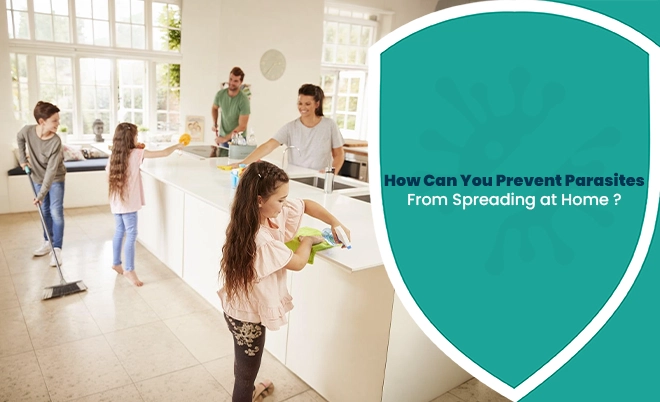
If you learn that one of your family members has a parasite, there is a heightened sense of concern from that moment on, not only for that family member but for the rest of your family. Parasites are masters at searching out new hosts and are often found in areas of cohabitation and in places where towels, bathrooms, and close contact with the host occur every day. When families know how to stop parasites from spreading and understand how treatments such as Ivermectin 12 mg fit in to help break the cycle if they have been diagnosed with parasites, they have a strategy that actually works to prevent parasites.
Table of Contents
ToggleIdentify The Enemy Before You Can Stop It
It’s important to know how parasites spread at home before you try to prevent them. Many intestinal parasites are spread via the “fecal-oral route,” in which microscopic eggs or larvae in the stool of an infected person are deposited on surfaces, food, or shared objects and are then transferred to another person’s mouth by direct contact. Other parasites, such as some mites or worms, can be transmitted via direct skin-to-skin contact or shared bedding or clothes. Household members are in close contact with one another, sharing bathrooms, kitchens, and living areas, which may mean that a single infected person can unwittingly spread the virus many times during an ordinary day. You need a strategy to prevent parasites.

Hands: The Most Common Highway for Transmission
Good and regular hand washing is probably the most effective single habit to prevent parasitic infections. Parasite hygiene is the first step in parasite control, such as washing hands with soap and water for at least 20 seconds after using the toilet, before handling food, before eating, and after handling pets or soil. This simple habit breaks the fecal-oral transmission chain at the point where microscopic eggs or larvae are more likely to be deposited, which is usually on the hands of the person handling the food, surface, or mouth of the next person. For those already fighting an infection, it’s especially important that they be as careful as possible with this habit, even trimming to prevent parasites. You should clean under fingernails where eggs can easily hide to prevent spreading the infection to the rest of the family.
Cleaning Habits That Actually Make a Difference
Hand washing is not all in the home hygiene for parasite prevention. Bedding, towels, and clothes should be washed regularly in hot water, preferably above 140°F, to kill the eggs and larvae of parasites that may have become attached to fabric fibers. Cleaning often touched places such as doorknobs, bathroom fittings, and kitchen surfaces with a disinfectant before they can be contaminated from eggs that live long enough to get to the hands of another household member. Regular vacuuming of carpets and upholstered furniture, particularly in homes with pets or small children who spend much of their time on the floor, further limits environmental exposures to prevent parasites. Some of these cleaning tasks may need to be done every day, instead of weekly, until the household is no longer at risk for continued transmission because it is undergoing an active infection.
Everyday Habits That Reduce Household Risk
In addition to deep cleaning, there are a few simple practices that can help ensure parasite transmission prevention occurs within the household. One of the more common indirect transmission routes is eliminated by not sharing personal items such as towels, washcloths, hairbrushes, and razors to prevent parasites. Short, trimmed nails help minimize the risk of eggs being transferred from skin to mouth, especially in children who tend to scratch itchy places and thereafter touch their mouths and food. While this can be difficult with very small children, teaching children not to put unwashed hands, toys, or objects into their mouths makes sense in households where there are more chances for parasites to be transmitted to children from other members of the household who are physically close to them throughout the day to prevent parasites.
Extending Prevention Beyond the House
The strategy of parasite prevention at home does not begin at the front door, such as exposure to the outside, which may be an important contributor to the way infections are acquired in the home. The ways to prevent parasites outside is to wear shoes to avoid certain parasites entering through the skin of exposed feet, especially when walking on sand or in places where pets may defecate. Thorough washing of fruits and vegetables before consumption, cooking all meat to safe temperatures, and ensuring that safe drinking water is used when traveling and residing in less hygienic water stations all help to to prevent parasites and minimize the risk of infection from a new parasitic organism. Pets are another feature that’s important here as well; pets should be dewormed on a regular basis and kept cleaned up after them in the yard and shared outdoor areas to minimize exposure to environmental contamination that could cause problems for family members, especially young children who play outdoors.
Protecting Every Member of the Household
Once a member of a family is diagnosed with a parasitic infection, the logical next step is to know how to protect your family from parasites that haven’t presented symptoms. Healthcare providers may sometimes suggest testing or, in some instances, prevent parasites. The treatment for other members of the family need if the family lives with young children or other family members, particularly if the type of parasite causing the infection is known to be spread easily from person to person or in shared environments. By adopting a proactive approach, parasites are likely to be detected at an earlier stage, as many of the parasites may be in the system for weeks without causing any symptoms and the infected person may not be aware of the infection.
Medical Support: A Key Tool in Breaking the Cycle
After a parasitic infection has been diagnosed by a stool test or other diagnostic tests, timely and appropriate treatment is not only important for the infected person’s health but also for minimizing the risk of transmission to other members of the household. Ivermectin 12 mg is a broad-spectrum antiparasitic drug that is available for use to kill a variety of common parasites. It does this by paralyzing and killing the parasites, allowing the body to fight off the infection over the next few days. Prompt treatment of the infected person with Ivermectin will help to reduce the amount of time they can shed parasite eggs or larvae, reducing the window of the house at risk and making it much easier for prevention efforts elsewhere in the home to be effective. In households where there is more than one member who is infected, or where there is strong evidence for prevention treatment because of high levels of shared exposure, healthcare providers may consider coordinating the timing of treatment within the household to interrupt the transmission chain as effectively as possible to prevent parasites.
A Team Effort Pays Off
Protection against the continual exposure by parasites is best done as a whole family effort and not only the individual’s personal hygiene. Everyone in the household should be reminded to wash their hands, wash family laundry and bedding thoroughly, and follow up on any testing or treatment recommended for family members to prevent parasites from continuing to spread in the home. Here, consistency is more important than perfection. This is as simple as leaving the bathroom without washing your hands, which can negate all other good prevention measures in the household.
Summing Up
Parasites are not invincible. A home takes steps to practice good hygiene through a good cleaning routine and treats the infection promptly and appropriately when it has been diagnosed to prevent parasites. When combined with consistent handwashing, the regular washing of shared items, sensible precautions outdoors, and treatment strategies such as Ivermectin to prevent parasites. Families can successfully break the transmission cycle and reduce parasite exposure well before they have a chance to be passed from person to person within the family.
FAQs
1. Is there really such a thing as oversharing the bathroom?
Yes, shared bathrooms are a common source of infection. This risk is greatly decreased through regular bathroom surface disinfection and handwashing.
2. If one family member is found to be infected with a parasite, should the entire family be tested?
Yes, in most cases, especially with parasites that are well-known to be easily transmitted by close domestic contact. Depending on the type of parasite, a healthcare provider can make a recommendation about testing and prevention for other family members.
3. For how long should additional cleaning measures be taken after someone has been treated?
After treatment has begun, it is generally recommended to keep increased hygiene, such as washing the bedding and towels daily, for at least a week or two because some of the parasites (and eggs) may survive after the treatment is applied.
4. Does Ivermectin 12 mg prevent parasites, or does it only treat existing infections?
This medicine is usually not recommended as a routine dewormer. But early treatment of an infected person can be helpful in decreasing the chances of transmitting the parasite to others by minimizing the time the person is capable of passing it on.
5. What are the habits to prevent parasites from spreading at home?
You have to wash your hand daily. You have to wash your hands before and after using the bathroom. You have to wash your hand before preparing or eating foods and after also.