Swimming is the activity that makes everyone feel free, but it is followed by blocked ears, itching, or the annoying sloshy sensation. However, the pool water can be heavily chlorinated, and coastal swims mean salt and sand, your ears take a real hit. The good things are that a few smart habits and the right gear can cut down irritation and infections without ruining the fun. This blog breaks down what works, who needs extra care, and how to pick an option you will actually use. If you are training for a triathlon, or taking your child for weekend lessons, or doing daily laps, consistency matters more than the fanciest product. A pair that fits well in your swim bag, a small dry box, and a quick rinse after every session can prevent most trouble. And if you are swimming in the monsoon season or in a crowded pool, being extra careful is simply sensible.
Table of Contents
ToggleWhy does ear infection matter during swimming season?
The ear infection matters when the ear canal stays warm and moist even under normal conditions, and frequent water exposure during swimming season can disrupt this natural balance. When water gets trapped inside the ear canal, it can soften the skin lining and create an environment where bacteria or fungi can take hold more easily. This risk is more often in pools, lakes, and other water bodies, which can tend to carry more bacteria than a home shower or bath. Swimmers, children, and those with narrower or curvier ear canals tend to be more prone to these issues, for whom proper ear care after swimming becomes important during the season when water exposure is at its highest. If an infection develops, it is important to visit a healthcare professional who may suggest a medication such as Amoxyheal CV 1000 mg.

How does swimming affect your ears?
Swimming can pose some significant risks to your ears, as it can cause otitis externa, also known as swimmer’s ear. This can be caused by exposure to bacteria found in natural bodies of water, and it can also be contracted in swimming pools or hot tubs that are not properly sanitized or treated with chlorine. When the contaminated water gets trapped in your inner ear, bacteria can breed and cause an infection. In such cases, infections can potentially damage the fragile hair cells inside the ear responsible for transmitting and then it leads to hearing loss.
Some Common causes of Ear infections while swimming
Some factors that contribute to swimming-related ear issues include:
- Spending extended time in the water can increase the likelihood of water becoming trapped in the ear canal.
- Inserting cotton swabs in your ears can strip the ear canal of its natural protective wax and make it more vulnerable to infection.
- Skin conditions such as eczema affecting the ear canal can make swimmers more prone to infection.
- Humid climates and warm weather can slow the natural drying process of the ear canal after swimming.
Knowing about these causes of ear issues can help swimmers to take more targeted preventive steps throughout the season.
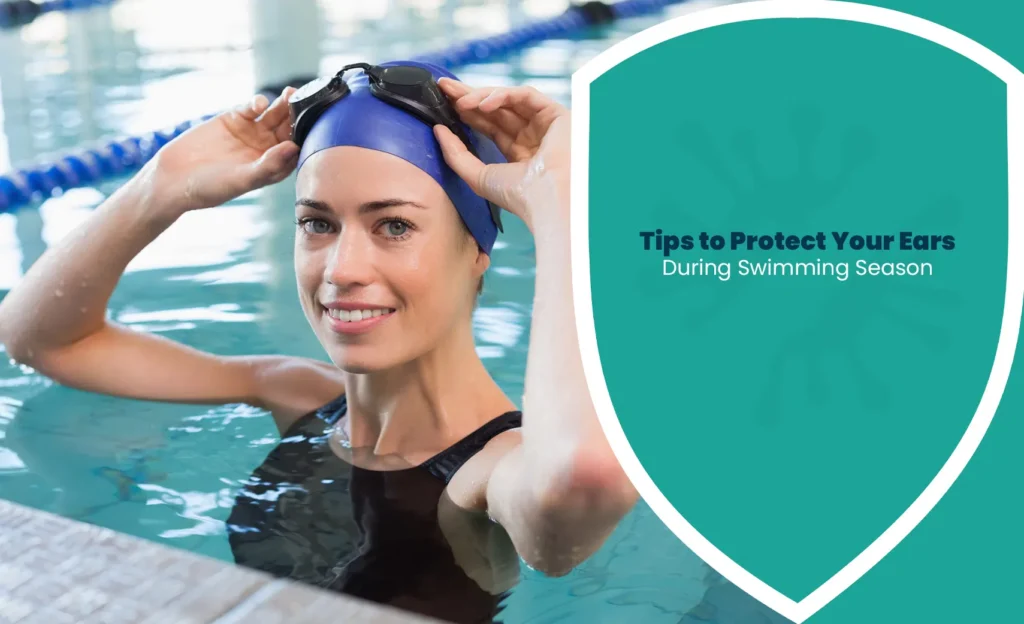
Tips to Protect Your Ears While Swimming
Preventing ear issues is the most effective way to avoid swimming ear infections. Some of the following tips can help to reduce the risk significantly.
Use Earplugs Designed for Swimming
Wax-based swim earplugs or silicone can create a barrier that helps to prevent water from entering the ear canal in the first place. This is one of the simplest and most effective forms of ear protection while swimming for frequent swimmers or those prone to recurring ear issues.
A swim cap that can cover the ears
A snug swim cap that helps cover the ears can help cut down on exposure to water during such things as extended underwater swimming or diving.
Dry ears thoroughly after swimming
Tilting the head to each side and gently pulling on the earlobe when getting out of the water can help promote natural drainage of water from the ear after swimming. You can also use a soft towel to dry the outer ear, but be careful not to insert the towel into the canal to help reduce moisture buildup.
Use a hair dryer on a low, cool setting
The coolest setting that can help evaporate any remaining moisture in the ear canal can be obtained by using the hair dryer from several inches away from the ear on its lowest setting, and this should be done briefly and cautiously to avoid irritation.
Trying over-the-counter drops
Ear drops are designed to dry out the trapped water, containing a mix of alcohol and vinegar that can help to restore the ear canal’s natural pH and discourage bacterial growth.
Avoid inserting objects into the ear
Objects such as fingers, cotton swabs, etc can push wax deeper into the canal or damage the delicate skin lining and increase the risk of infections.
Take breaks from swimming when needed
For those prone to frequent ear issues, taking occasional breaks from extended water exposure during peak swimming season can give the ears time to fully dry out and recover.
How to Safely Remove Water Trapped in Ear
Water trapped in the ear is extremely common after swimming and is not always a sign of infection. There are a few methods to help release trapped water, such as tilting the head to one side and gently pull the earlobe while hopping slightly help drain water out from the ears, chewing of gum or yawning can help to open the eustachian tube and encourage water to drain, using a warm cloth to the outer ear for a few minutes can help loosen trapped water, and breathing in steam from a hot shower can sometimes help to relieve pressure and encourage drainage. If the water remains trapped for more than a day or two, or if feeling discomfort, it is best to consult a healthcare provider; they may provide you with the best option, such as Amoxyheal CV 1000 mg, rather than trying more forceful removal methods at home.
Ear Infection Prevention Tips for Frequent Swimmers
Those who swim regularly for the sports, fitness, or recreation can use a few additional ear infection prevention tips to minimize risk over the course of the season, such as:
- Clean your ears with clean water after swimming in oceans because natural water bodies carry more bacteria than treated pools.
- Do not swim in visibly dirty or poorly maintained water because it can increase exposure to harmful bacteria.
- Always keep your ears dry between swim sessions, especially during training, multi swim or competitions.
- Don’t share earplugs or swim gear as it can transmit bacteria or fungi from one person to the next.
- If you are experiencing early symptoms such as itching or mild discomfort, address them before they become a full infection.
When Ear Problems Require Medical Attention
Many swimmers relate that ear issues resolve on their own or with basic home care, but some symptoms indicate it’s time to see a healthcare provider. Symptoms such as visible swelling, redness, or discharge from the ear; worsening or persistent ear pain; hearing changes that do not improve after water has drained; fever accompanying ear discomfort; and symptoms lasting more than a couple of days despite home care. In these cases, if the bacterial infection is confirmed, a healthcare professional may suggest you the option of Amoxyheal CV 1000 mg as part of the correct treatment plan to clear the infection and prevent complications if the infection has progressed beyond the outer ear canal or is accompanied by broader signs of illness.
Swimmers’ Ear Hygiene: A Season-Long Habit
Swimmers’ ear care shouldn’t be a one-time thing, but rather a habit that lasts the entire season. This includes preventive measures like earplugs and proper drying techniques as well as awareness of early warning signs that can help swimmers of all ages enjoy the water without the nagging discomfort of ear infection time and time again For parents, it is worth paying attention to children’s ears during and after swimming; however, kids are often more prone to swimmer’s ear and may not always recognize or communicate early symptoms clearly.
Conclusion
Ear problems are the most common yet most preventable issue during the swimming season by knowing what the causes of water-related ear issues are and adopting simple and consistent habits such as using earplugs, drying ears, avoiding inserting objects into the canal, and by these swimmers can reduce their risk of discomfort and infection. When the symptoms appear, addressing them early with proper care and seeking medical attention when necessary can help to ensure a quick and full recovery so you can get back to enjoying the water.
FAQs
Is ear protection necessary for swimming?
Ear protection is not strictly necessary for everyone, but it is highly recommended for people prone to infections, those with ear tubes, or individuals swimming in open water
Should I swim every day with earplugs?
Sometimes many swimmers do, but choose a comfortable option, clean it well, and stop if you notice pain, discharge, or persistent blockage in the ear.
Can I use an ear drop after swimming?
Drying ear drops sometimes help some adults, but they’re not suitable for everyone if you have grommets, a perforation, or sensitive skin.
Does water always mean an infection in the ear?
No, it does not always mean an infection, but sometimes trapped water is common and usually harmless if it drains on its own within a day or two.
Is swimming with a mild ear infection safe for me?
It is best to avoid swimming until you clear your symptoms, because water exposure can worsen the infection.