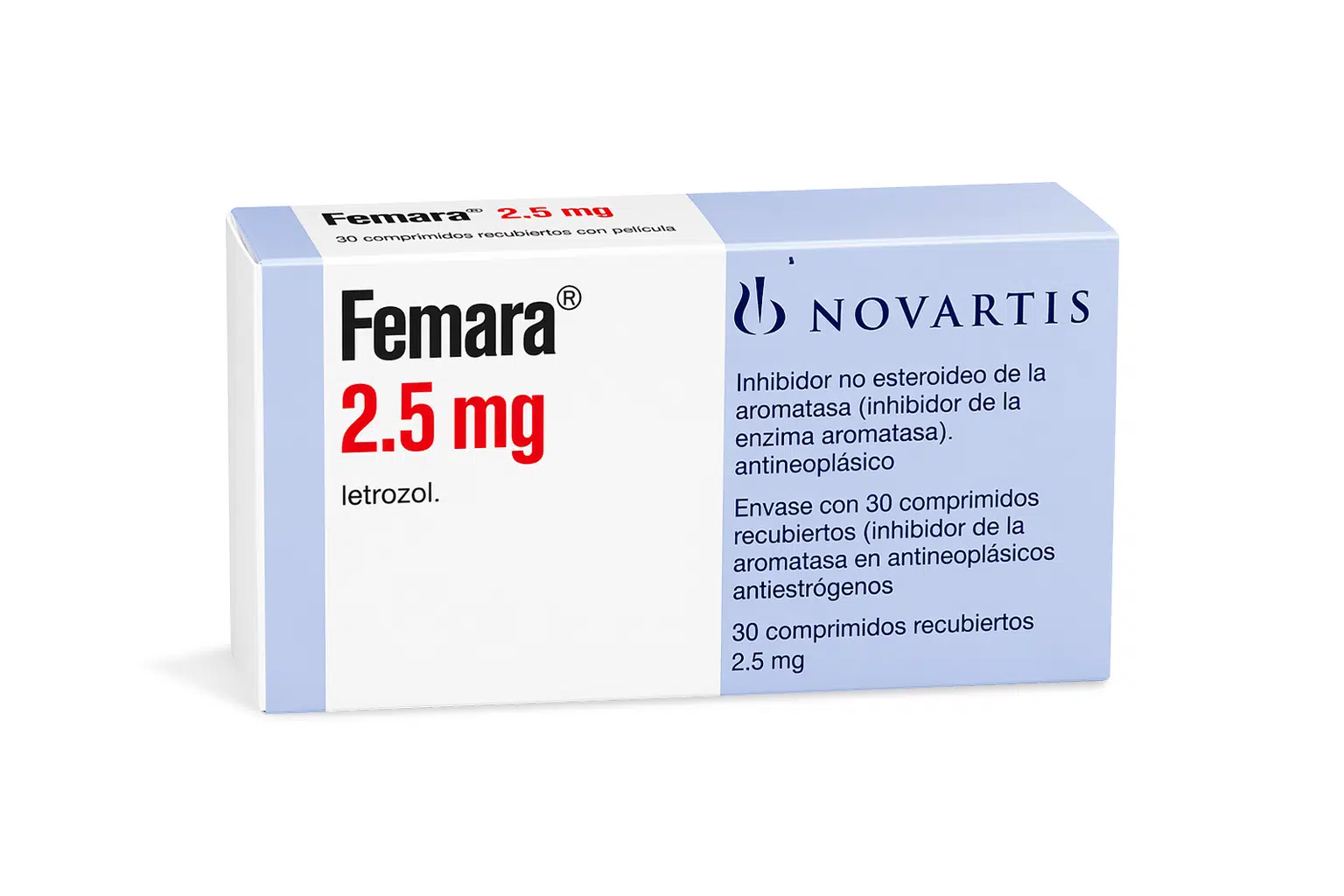
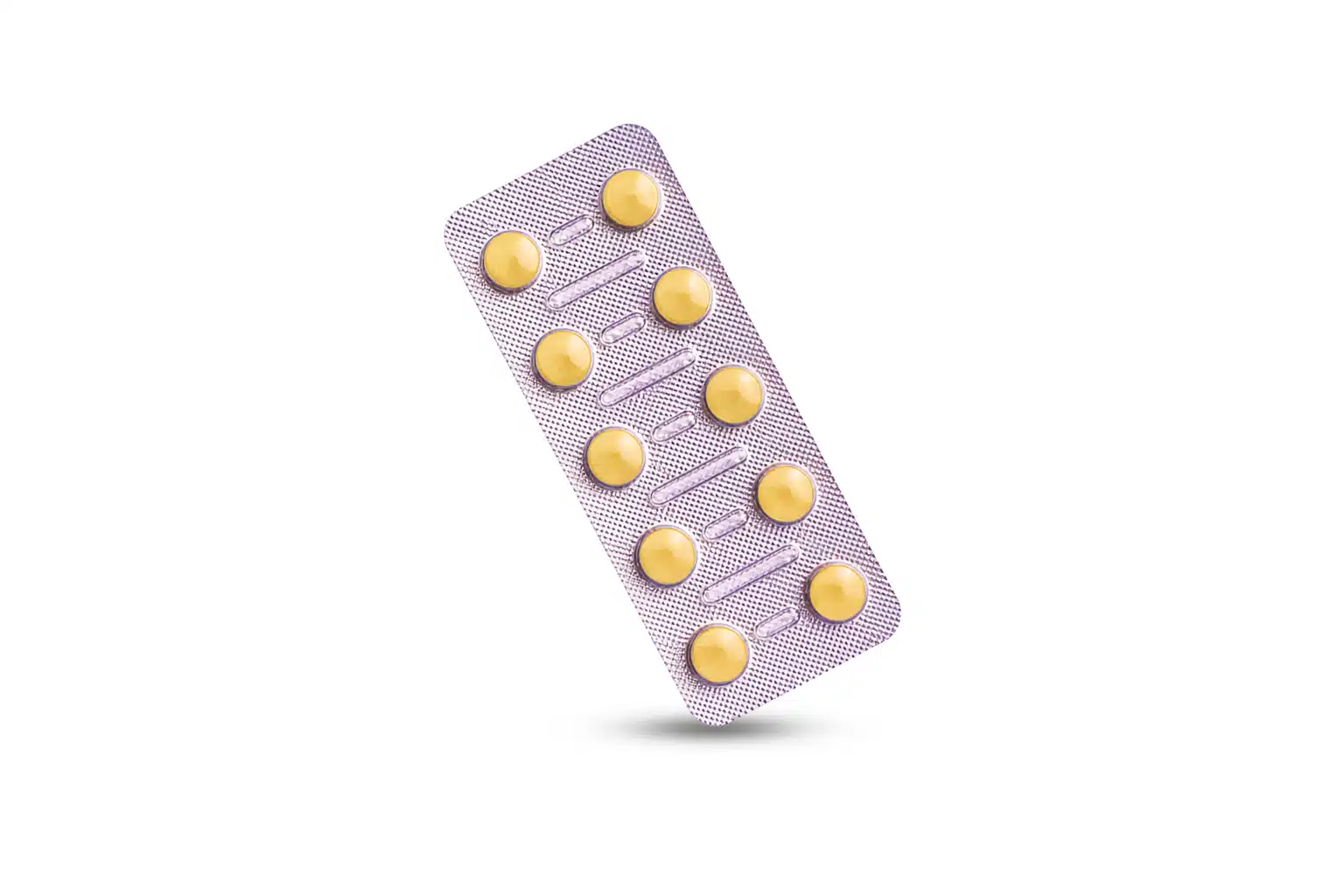
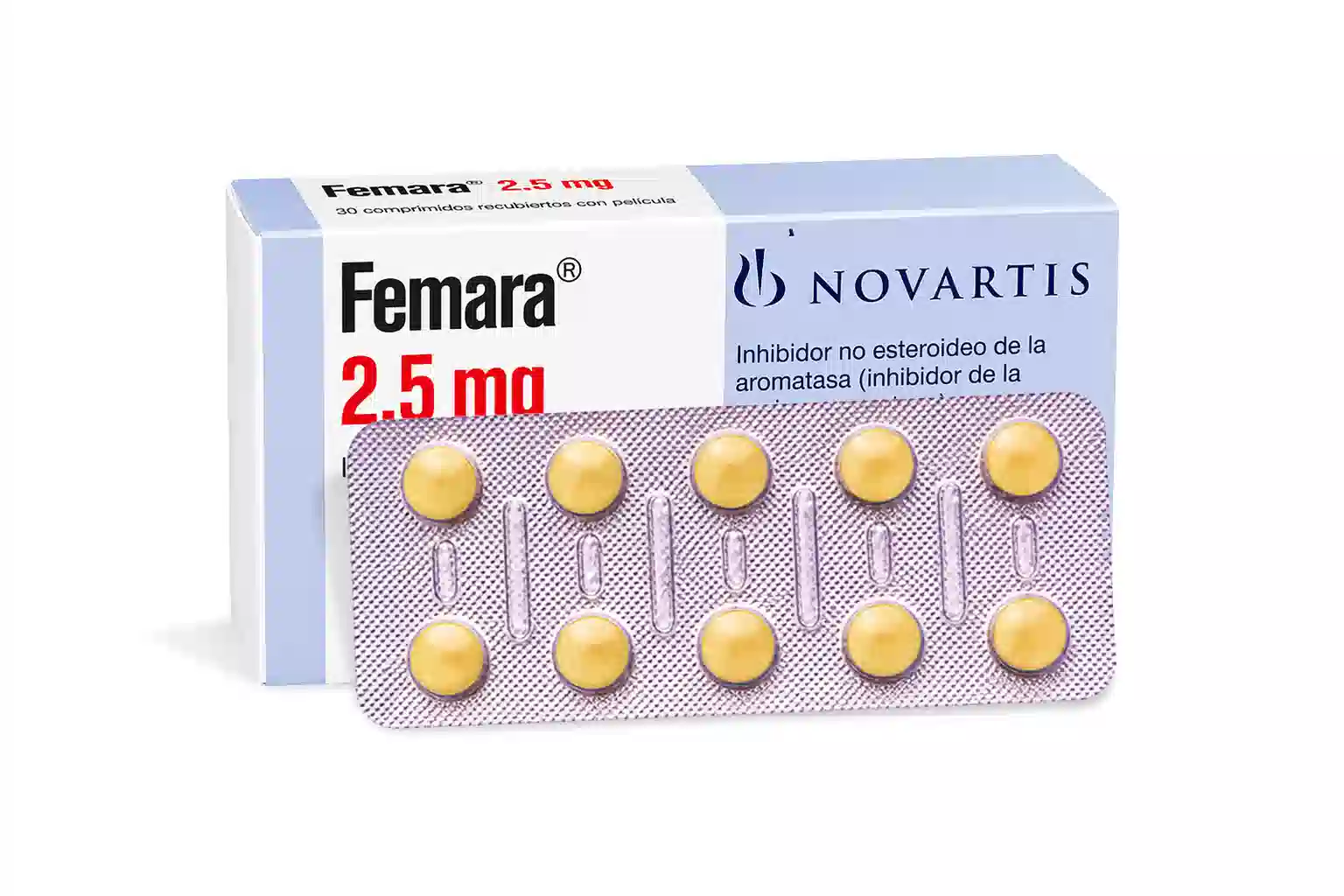
Femara 2.5 mg

Rated 4.00 out of 5 based on 1 customer rating
(1 customer review)

Price range: $10.00 through $16.00

Packs PriceQuantity
30 Pills $10.00
-
+
60 Pills $16.00
-
+
Secure Payments

Femara 2.5 mg Tablet contains letrozole an oral aromatase inhibitor used in the treatment of hormone receptor-positive breast cancer. It is commonly used for postmenopausal women when reducing estrogen levels is an important part of cancer treatment.
Femara 2.5 mg may be used in early breast cancer after surgery, as extended therapy after tamoxifen or for locally advanced and metastatic disease, depending on the treating oncologist’s recommendation.

Key Features

About (Femara 2.5 mg)
Drug Class: Aromatase inhibitor
Subclass: Non-steroidal aromatase inhibitor
Product Details
Composition Active ingredient: Letrozole
Inactive ingredients:

  • Lactose monohydrate
  • Microcrystalline cellulose
  • Magnesium stearate
Packaging Type Blister strip
Pack Size Oral tablet
Dosage 2.5 mg
Shelf Life 24–36 months from the date of manufacture.

How does Femara 2.5 mg work?

Femara blocks aromatase, an enzyme that helps produce estrogen from other hormones in the body. This is an important pathway of estrogen production in postmenopausal women. There may be less estrogenic stimulation of estrogen receptor-positive breast cancer cells with less estrogen.
This approach is particularly relevant for estrogen receptor positive breast cancer where the cancer cells can be stimulated by estrogen. Letrozole can reduce estrogen levels, thereby decreasing the hormonal signals that encourage their growth.

Usage

Take Femara 2.5 mg by mouth with water once a day or as directed by the oncologist. It may be taken with or without meals. Taking it at a regular time can make it easier to remember each dose. Do not crush or alter the tablet unless a healthcare professional specifically instructs you to do so.

Dosage 

The standard recommended dose for approved breast cancer uses is 2.5 mg once daily. Do not increase, reduce or discontinue the dose based on symptoms alone treatment decisions should be made by the oncology team.

Side effects

Possible side effects include:

  • Joint pain, muscle pain, or stiffness  
  • Headache  
  • Dizziness  
  • Nausea  
  • Swelling of hands, feet, or ankles  
  • Weight changes  
  • Higher cholesterol levels  
  • Lower bone density during long-term treatment
  • Swelling of hands, feet, or ankles  
  • Hot flushes and increased sweating  
  • Tiredness or weakness 

Inform the doctor about persistent pain, symptoms of infection, severe skin reactions, allergic symptoms or any unusual change in health.

Interactions

Femara 2.5 mg may not work as intended when used with estrogen-containing medicines. This includes some hormone replacement therapies and other estrogen products.
Key Drug Interactions

  • Tamoxifen – Reduces Femara blood levels by approximately 38%. Co-administration should be avoided.
  • Estrogens – Taking hormone replacement therapy (HRT) or birth control pills, for example, will lower how well Femara works. Femara works by reducing estrogen.
  • Thalidomide – Concurrent use may increase the risk of severe blood clots (thromboembolism). 

Other Considerations

  • Dietary Supplements – Avoid supplements containing phytoestrogens (like soy isoflavones or red clover). They can interfere with the drug’s purpose.
  • Liver Function – Tell your doctor if you have severe liver impairment. Your dose may need to be changed.
  • Pregnancy – Femara can cause fetal harm. It is strictly contraindicated during pregnancy.

Pharmacokinetics

Key pharmacokinetics are: 

  • Absorption: Rapid and complete oral absorption.
  • Bioavailability: Mean absolute bioavailability is 99.9%.
  • Food Effect: Food slightly slows absorption but does not change the extent of absorption.
  • Steady State: 2.5 mg daily for 2-6 weeks.
  • Accumulation: Plasma concentrations are 1.5 to 2 times higher at steady state than after a single dose.
  • Excretion: Primarily renal; 90% of the radiolabeled dose is recovered in urine (mostly as metabolites).
  • Half-Life: Long terminal elimination half-life of approximately 2 days (48 hours).

Precautions

  • Use only on a doctor’s prescription  
  • Pregnancy should be avoided during treatment because letrozole can cause fetal harm  
  • Women who can become pregnant should discuss pregnancy testing and effective contraception  
  • Do not breastfeed while taking Famara or for three weeks after treatment ends  
  • Bone mineral density and cholesterol may need periodic monitoring  
  • Tell the doctor about liver disease, osteoporosis, fractures, and all other medicines  
  • Avoid driving or hazardous tasks until you know whether the medicine causes dizziness or fatigue

Conclusion

Femara 2.5 mg provides letrozole therapy for selected postmenopausal women with hormone receptor-positive breast cancer. By reducing estrogen production, it can support treatment plans for early or advanced disease. Medical supervision is essential to manage side effects, assess bone health and guide treatment duration.

FAQs

Take by mouth with water at the same time each day. May be taken with or without food.

Yes, prolonged treatment can affect bone mineral density therefore it's important to consider monitoring bone health.

Yes. Estrogen containing medicines may interfere with its intended estrogen lowering effect.

No. Do not stop treatment without consulting your oncologist even if you feel well.

1 review for Femara 2.5 mg

  1. Rated 4 out of 5

    Noah

    My doctor prescribed this and it worked as expected. Easy to manage and follow.

Add a review

Your email address will not be published. Required fields are marked *

Disclaimer:
It is highly recommended to consult a healthcare provider or doctor before using any of the above medications. This content is for educational purposes only. We advise you to read all the information mentioned by the manufacturer on the medicine before using it.
Shopping Cart
Scroll to Top