



Estradiol goes from being a hormone to a problem when it changes from a normal part of the body’s chemistry to the signal that makes cancer grow. This is when medications like Cytotam 20 mg come in. It is a tablet that you take by mouth. It contains tamoxifen citrate, which is a Selective Estrogen Receptor Modulator (SERM) that has been the mainstay of hormone-sensitive breast cancer treatment in the US for more than 40 years. The broad cytotoxic force doesn’t hurt the body too much. Instead, it stops a specific and important biological talk between estrogen and the receptors on breast cancer cells that respond to it. This stops the process before estrogen can cause the cell growth it would normally cause.
Key Features
| About Cytotam 20 mg | |
|---|---|
| Drug Class | Selective Estrogen Receptor Modulators (SERMs) |
| Subclass | Anti-estrogens |
| Product Details | |
|---|---|
| Composition | Active Ingredients:
Inactive Ingredients:
|
| Formulation | Tablet |
| Route of administration | Oral |
| Packaging | Blister Pack |
| Pack size | 10*10 |
| Dosage | 20 mg |
| Used For | Breast cancer |
| Shelf Life | 2 to 3 years from the date of manufacturing |
| Storage | Store in a cool, dry place away from sunlight at a room temperature that ranges between 77°F and 86°F. Keep out of reach of children and pets. |
How Does Cytotam 20 mg Work?
Cytotam 20 mg works by exploiting a structural resemblance between tamoxifen and estrogen, close enough that tamoxifen can slip into the estrogen receptor’s binding site, but different enough that once there, it produces none of the receptor activation that estrogen would. The result is a receptor that is occupied but silent, unable to receive and transmit the hormonal growth signal that estrogen receptor-positive breast cancer cells depend on.
This mechanism, competitive estrogen receptor antagonism, is not a blunt instrument. It is a targeted pharmacological intervention that operates at the molecular level while producing clinically meaningful outcomes at the population level, including statistically significant reductions in recurrence, mortality, and the development of new breast cancer events over the course of a standard 5-year treatment course.
Uses
An individual may have to take Cytotam 20 mg in the following situations:
- To treat metastatic breast cancer in both men and women.
- To reduce the chances of getting the cancer again if those individuals have already had a surgery for it.
- To minimize the risk of invasive breast cancer in women with DCIS after breast surgery and radiation therapy.
Dosage
One should speak to their healthcare provider before taking Cytotam 20 mg. Below are some general guidelines:
- Cytotam 20 mg should be taken once daily.
- Cytotam should be taken around the same time every day.
- One should make sure that they are swallowing the tablet as a whole and not crushing, chewing, or splitting it.
Side Effects
Some common side effects of Cytotam 20 mg may include:
- Hot flashes
- Night sweats
- Headaches
- Dizziness
- Vomiting
- Nausea
- Constipation or diarrhea
- Irregular menstrual periods in premenopausal women
- Fluid retention
- Fatigue
- Skin rashes
- Vaginal discharge
- Dryness in the vaginal area
Uncommon but serious side effects for which you should get in touch with your healthcare provider:
- Visual conditions like cataract or retinopathy
- Endometrial cancer
- Pancreatitis
- Liver fibrosis
- Steven-Johnson syndrome
- Vaginal polyps (benign growth on the lining or walls of the vagina)
- Stroke
- Thrombocytopenia, i.e., a severely low number of blood platelets
Interactions
Coumarin Blood Thinners
Cytotam 20 mg has a major interaction with coumarin blood thinners like warfarin. It can block the breakdown of blood thinners, which can build up their levels in the body and can increase their blood-thinning effect.
Aminoglutethimide
Aminoglutethimide can speed up the clearing out process of tamoxifen and decrease its levels in the body, reducing its effectiveness.
Anastrozole
It’s not recommended to consume anastrozole and tamoxifen together since the latter can decrease the levels of anastrozole in the body and reduce the effectiveness of the compound.
CYP3A4 Inducers (e.g., Rifampin)
Rifampin and other strong CYP3A4 inducers have been shown to greatly lower the amount of tamoxifen in the blood, which can greatly reduce the effectiveness of Cytotam 20 mg.
Chemotherapy Drugs
The chance of thromboembolic events may be greatly increased when Cytotam is used at the same time as chemotherapy drugs.
Precautions & Safety Warnings
- Women who are pregnant or are currently breastfeeding should not consume Cytotam 20 mg since it can negatively affect the child’s health.
- Tamoxifen can increase your risk of developing dangerous blood clots, which can last for months even after you have stopped taking the medication. Individuals should watch out for leg swelling or calf pain.
- Tamoxifen has the potential to lead to the thickening of the uterine lining, polyps (benign growth on the lining or walls), or uterine cancer. If you notice any kind of unusual vaginal bleeding, spotting, or pelvic pain, then immediately contact your healthcare provider.
- Cytotam is not recommended for people younger than 18, but girls ages 2 to 10 with McCune-Albright Syndrome and early puberty who are under the care of an expert may be able to use it.
- In premenopausal women, tamoxifen causes considerable lumbar spine and hip bone loss. In contrast, postmenopausal women show no bone loss from its bone-preserving function.
- Patients taking Cytotam should see an eye doctor if their vision changes during treatment, since the drug has been linked to cataracts, changes in the retina, and other eye problems.
Conclusion
Cytotam 20 mg does something interesting in the world of drugs. It stops estrogen from being useful to cancer cells that have become dependent on it. Giving patients the full daily dose of tamoxifen in a single tablet once a day is a simple, clinically proven, and evidence-based treatment option that has been shown over decades and thousands of patients to meaningfully reduce breast cancer recurrence, lower the risk of new breast cancer events, and, in many settings, extend survival.

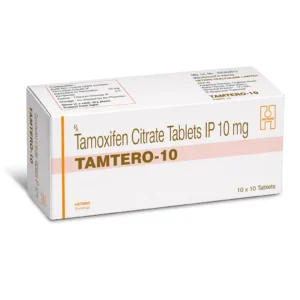
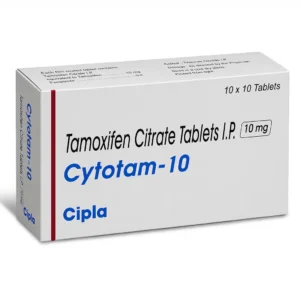

caleb turner –
My doctor has kept me on this long-term, I already see improvments in my symptoms. Hoping to fully recover