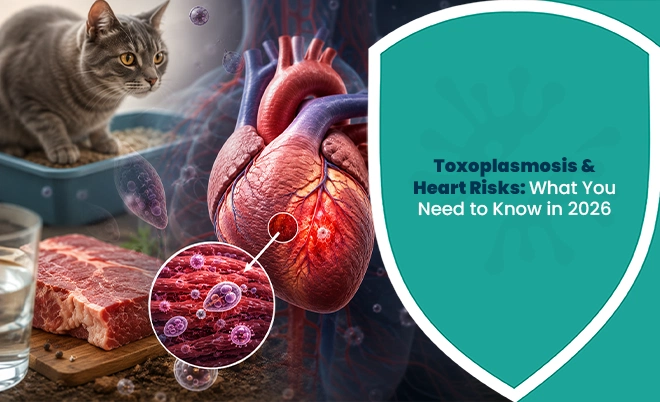
Okay, so I was just reading something the other day that kind of freaked me out. You know toxoplasmosis, right? The cat thing. The litter box thing. Pregnant people worry about it. That’s basically all I knew for years. But then I stumbled on something about heart issues, and I was like … wait, what?
Table of Contents
ToggleTurns out, this parasite, Toxoplasma gondii, doesn’t just hang out in your brain or muscles. It can actually get into your heart muscle. And not in a cute way. In a “this might cause real problems down the line” way.
So yeah. Let’s just sit with that for a second.
So Can Toxoplasmosis Affect the Heart or Is That Rare?
I asked myself the same thing. Because you never hear about this. Like, ever. Doctors mention the flu-like symptoms, the eye problems if you’re unlucky, and the risks if you’re immunocompromised. But the heart? Barely a footnote.
But here’s the thing. The parasite forms these little cysts. And they can lodge in cardiac tissue. For most people with a healthy immune system, their body just walls them off, and that’s it. No drama. But sometimes, and this is where it gets messy, those cysts can cause inflammation. Or they rupture. Or your immune system goes a little overboard trying to fight something that’s been there for years.
And then you’ve got myocarditis. Or pericarditis. Or weird arrhythmias that don’t make sense.
One study I saw in (2024, I think?) said something like 5-10% of people with active toxoplasmosis show some kind of cardiac symptom. But the scary part is how many people never know they have it in the first place.
How People Get Toxoplasmosis (Because This Is Weirder Than You Think).
Let me just list the obvious ones first, but there’s a twist. You get it from:
- Cleaning a cat litter box (cat poops out the parasite after eating infected prey)
- Eating undercooked meat, especially pork, lamb, or venison
- Unwashed veggies that touched contaminated soil
- Drinking unfiltered water in certain countries
But here’s what nobody tells you. You can also get it from organ transplants or blood transfusions if the donor had an active infection. Super rare, but it happens. Also, apparently, drinking raw goat milk? Yeah. That’s a thing.
Anyway, the point is, most people don’t ever remember getting sick. You might have a little fatigue, maybe a sore throat, and then it goes away. And for years, you just assumed you had a random virus.
But the parasite stays
Signs of Cardiac Toxoplasmosis – What Should You Look For?
This is the tricky part. Because the signs are super vague. Like, annoyingly vague.
Shortness of breath that comes and goes. Chest pain that isn’t crushing or dramatic, just a weird pressure or a twinge. Heart palpitations that feel like your heart skipped a beat or did a little flip. Fatigue that doesn’t make sense because you slept eight hours.
And because these could be a million other things (anxiety, dehydration, too much coffee, a cold coming on), nobody thinks “toxoplasmosis.”
But if you’ve got unexplained heart symptoms and you also have a weakened immune system, HIV, chemo, organ transplant, or long-term steroids, then you really need to ask your doctor about this. Because in those cases, the parasite can go wild. And that’s when you get things like heart failure or even sudden cardiac death.
I’m not saying that to scare you. Okay, maybe a little. But mostly because it’s 2026 and we still don’t talk about this enough.
How Toxoplasmosis Impacts Heart Health Over Time.
Let me try to explain this without getting too technical. The parasite doesn’t just sit there like a lump. It causes low-grade inflammation. Chronic inflammation. The kind that doesn’t hurt but slowly messes with how your heart muscle contracts and relaxes.
Over the years, this can lead to dilated cardiomyopathy. Which is a fancy way of saying your heart gets big and floppy and doesn’t pump well.
Some researchers actually think toxoplasmosis might be an underdiagnosed cause of unexplained heart failure in younger people. Not common, but not impossible either.
And here’s a weird twist some people get better after treatment. Like, their heart function improves once the parasite load goes down. That’s huge. Because it means maybe some “idiopathic” heart problems aren’t so idiopathic after all.
But most doctors won’t test for toxoplasmosis unless you specifically ask. Or unless you have cats and weird chest symptoms. So you kind of have to be your own advocate, which is exhausting, I know.
Toxoplasmosis Heart Complications in 2026 – What’s New?
Okay, so why 2026 specifically? A couple of reasons
First, there’s more awareness now than even two years ago. Some new guidelines came out in late 2025 about screening immunocompromised heart patients for toxoplasmosis. Not widespread yet, but it’s a start.
Second, treatment options have gotten slightly better. Not a miracle cure, but better.
One thing people are talking about more is Iverford 6 mg. Have you heard of ivermectin for parasites? Iverford is similar but is dosed specifically for toxoplasmosis in certain cases. It’s not a first-line treatment (usually you’d get pyrimethamine and sulfadiazine), but for people who can’t tolerate those, iverford 6 mg has shown some promise. Especially when combined with other meds.
But yeah, in 2026, we’ve got more options. Iverford 6 mg is one of them. Also, Iverford 6 mg seems to have fewer side effects than some older drugs, which matters when you’re talking about months of treatment. I’ve read about Iverford 6 mg being used off-label for chronic toxoplasmosis, and feedback is … cautiously positive.
Another Iverford 6 mg study I skimmed last month talked about how it penetrates heart tissue better than ivermectin alone. Not sure if that’s been replicated yet, but interesting.
Anyway, the point is Iverford 6 mg keeps coming up in tomoplasmosis discussions in 2026. So it’s worth knowing about.
The Annoying Part – Most People Never Get Tested.
Here’s where I get frustrated. Toxoplasmosis testing is simple. Blood test for antibodies. IgM means recent infection, and IgG means old infection. But most doctors won’t order it unless you’re pregnant or have AIDS. So if you’re a regular person with weird heart symptoms and a cat at home? Good luck getting anyone to take you seriously.
I talked to a friend who’s a cardiology nurse, and she said they see maybe one or two confirmed cardiac toxoplasmosis cases a year. But she suspects there are more than just those who get labeled “viral myocarditis” and never get followed up.
So yeah. That’s annoying.
What Should You Actually Do If You’re Worried?
First, don’t panic. Most people with toxoplasmosis never get heart problems. Like, ever.
But if you have:
- Unexplained chest pain or palpitations
- A history of living with cats (especially outdoor cats)
- Or you eat a lot of rare lamb (I’m guilty of this)
- And you’ve never been tested…
Just ask your doctor. Say, “Hey, can we check my toxoplasmosis titers?” Most will say yes if you push a little.
Second, if you’re immunocompromised, get tested regularly. Like, once a year. Because reactivation is real, and it can hit your heart fast.
Third, treatment exists. Including options like Iverford 6 mg if the standard stuff doesn’t work. But again, not something you DIY.
One More Thing – The Cat Guilt Is Real.
I love my cat. I’m not getting rid of my cat. But I also don’t clean the litter box anymore without gloves and a mask. And I wash my hands like I’m about to perform surgery.
You don’t need to rehome your pet. Just be smart. Keep the cat indoors so it stops hunting birds and mice. Don’t feed it raw meat. Clean the box daily (the parasite takes 24 hours to become infectious). Basic stuff.
Oh, and gardening? Wear gloves. Because random cats might have pooped in your soil. Gross but true.
Let Me Just Wrap This Mess Up.
The heart risks of toxoplasmosis are real but rare. The bigger issue is that we don’t talk about it, so people don’t get tested, so cases get missed.
If you’ve got weird heart stuff going on and you’ve ever owned a cat or eaten undercooked meat, just bring it up. Worst case, your doctor says, “Nah, you’re fine.” Best case, you catch something early.
And keep Iverford 6 mg in the back of your mind. It’s not magic. But for some people in 2026, it might be the thing that helps when nothing else does.
Alright. That’s my brain dump. Go wash your hands.
FAQs.
- Can toxoplasmosis cause heart problems?
Yes, toxoplasmosis can cause heart problems. In rare cases in healthy people the parasite Toxoplasma gondii can form tissue cysts in the myocardium (heart muscle). This can lead to myocarditis (inflammation of the heart muscle), pericarditis, arrhythmias, and, in severe cases, congestive heart failure.
- How do I know if I have cardiac toxoplasmosis?
You’d need a blood test and a heart workup, ECG, echo, and maybe a biopsy in rare cases.
- Is Iverford 6 mg safe for everyone?
No, it’s prescription only and not for people with certain liver conditions. Talk to your doctor.
- Can my cat give me toxoplasmosis if I’ve had it before?
Unlikely. Once you’ve had it, you’re usually immune. But if you’re immunocompromised, be careful.
- What’s the first sign of heart trouble from toxoplasmosis?
Often just unexplained fatigue and mild shortness of breath, nothing dramatic at first.