Bronchitis is one of the most common reasons people end up visiting a healthcare provider because of a cough that just won’t quit; it affects millions of people every year. Some cases sort themselves out in a couple of weeks, while other times it keeps returning and slowly chips away at lung function. If you understand what is going on inside your chest, you can usually tell when it’s smart to rest at home and when it’s better to get medical care. This article talks about how the issue develops, what it feels like, how it is treated, and where Amoxyclav 625 mg Tablet can fit in.
Table of Contents
ToggleInside Your Chest: What Goes Wrong
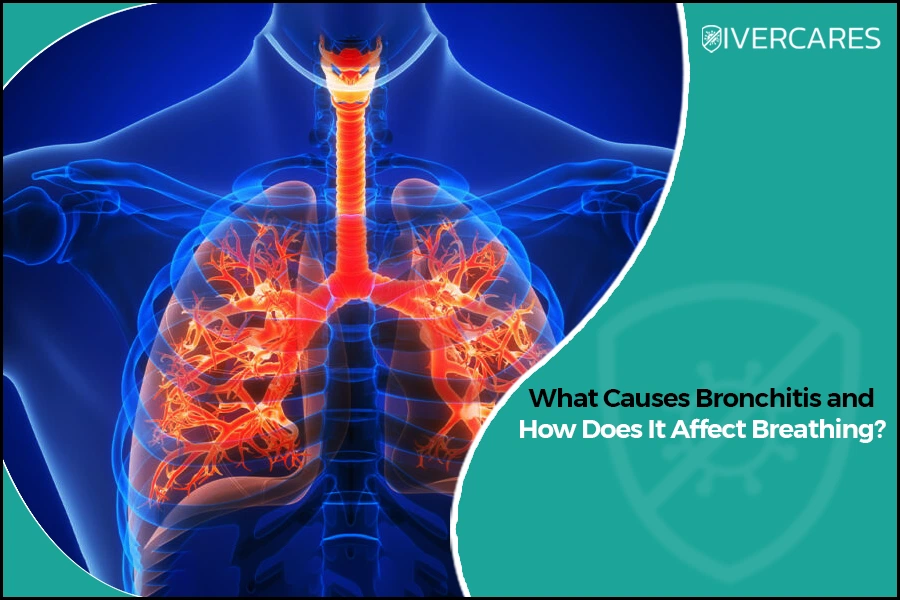
When you breathe in, air goes down your windpipe and into two main branches called bronchial tubes. Those split into smaller and smaller passageways until they reach tiny air sacs where oxygen finally enters your blood. The lining of these tubes makes a thin layer of mucus that holds onto dust, germs, and pollutants. Then microscopic hairs move that mucus production, so you can cough it out.
But when that lining gets swollen and irritated, the system starts misbehaving. The airways become inflamed and narrower, and glands react by producing more mucus. The outcome is a thick, sticky buildup that can clog the tubes and make breathing feel like work, even for someone who was otherwise healthy. That’s one big reason this condition often comes with real breathing problems.
Two Forms, Two Very Different Stories
Healthcare providers usually separate bronchitis into two main types:
- Acute bronchitis is the short-lived version, and it often follows a cold or flu. Most people feel it for one to three weeks, though the cough might linger a bit longer.
- Chronic bronchitis is the long-term condition; it’s usually described as a mucus-producing cough lasting at least three months in two straight years. This falls under COPD, and it typically requires ongoing medical management.
- The short-term version is way more common, and the long-term version is closely connected to smoking and repeated exposure to irritants.
What Sets It Off
The causes of Bronchitis are not exactly the same depending on which type you have. For acute or short-term bronchitis, most cases are triggered by a viral respiratory infection. In fact, the same viruses linked with colds, influenza, and COVID-19 can inflame the airway inflammation. Bacteria are behind only a small portion of cases, which is why antibiotics don’t automatically help. Still, sometimes inhaled irritants like smoke, chemical fumes, or dust are part of the problem.
For chronic bronchitis, the buildup happens over years. Common triggers include:
- Cigarette smoking, the leading cause, including exposure to second-hand smoke
- Air pollution and indoor fumes, especially from cooking fires or poorly ventilated stoves
- Workplace dust like grain, textile, coal, or construction dust
- Repeated lung infections and weakened immunity
- Acid reflux, because it can irritate the throat and airways
Your risk tends to be higher if you smoke, if you are very young or elderly, if you have asthma or heart disease, or if you work around dust all day.
Signs You Should Not Ignore
Bronchitis symptoms often start mildly and then build over a few days. Many people first feel like they have a cold that just won’t end. Common symptoms include:
- A persistent cough, dry at first, then bringing up clear, white, yellow, or green mucus
- Chest congestion and a rattling or heavy feel when you breathe
- Wheezing, a whistling sound when you breathe out
- Shortness of breath, especially with stairs or activity
- Chest discomfort or soreness, often from repeated coughing
- Low-grade fever, fatigue, sore throat, and body aches
How Healthcare Providers Find Out
Your healthcare provider may suggest a chest X-ray to rule out pneumonia, a sputum test to check for bacteria, or spirometry, a breathing test, if a long-term condition is suspected. These steps matter because pneumonia, asthma, and other illnesses can look alike, but they require different treatment approaches.
Healing at Home
Supportive care is the main base for getting better, so don’t rush it. Rest and drink a lot of fluids helps keep mucus thinner, so it clears easier. If your chest feels tight, try a humidifier, or just breathe steam from a warm shower; it can make things a bit more comfortable. For the throat, warm water with honey can be soothing too, but don’t give honey to children under one year. Also try to avoid smoke, dust, and strong scents while your airways are healing, because they can irritate things more.
For fever and aches, paracetamol or ibuprofen can help, but only use what your healthcare provider says. And if you’ve got young kids, be careful with over-the-counter cough and cold products; don’t use them unless a healthcare provider advises it.
Medical Option
Since most cases are triggered by viruses, antibiotics usually won’t help the majority of people with acute bronchitis, and using them when they aren’t needed can push antibiotic resistance higher. But, if your healthcare provider thinks there might be a bacterial infection (like symptoms getting worse after you were improving, a high fever that keeps hanging around, or a bacterial flare in chronic bronchitis), Amoxyclav 625 mg Tablet is often a chosen option.
This tablet is a combination of amoxicillin 500 mg and clavulanic acid 125 mg. Amoxicillin is a penicillin-type antibiotic, and it works by weakening bacteria cell walls, so bacteria can’t survive as well.
Key points:
- It’s taken twice daily at the start of a meal.
- Complete the dose as per medical recommendations.
- Common side effects may include nausea, diarrhea, vomiting, and a mild skin rash. Vaginal thrush can also happen.
- Get urgent help if you have swelling of the face or throat, trouble breathing, severe or bloody diarrhea, or yellow skin/eyes.
- Don’t use it if you are allergic to penicillin. Mention to your healthcare provider any liver or kidney issues, pregnancy or breastfeeding, and all other medicines you take.
- It won’t treat viral infections, so if the cough is from a cold or flu virus, it won’t fix that.
- Never take leftover tablets, and don’t share them with other people. Use it alongside rest, fluids, and proper follow-up, not as a replacement for those.
Protecting Your Lungs for the Long Term
Long-term prevention is mostly about protecting your airways day after day:
- Stop smoking, and avoid second-hand smoke too. This is probably the strongest step you can take.
- Consider vaccines like influenza, pneumococcal disease, and COVID-19, as your healthcare team recommends.
- Wash your hands.
- Use a mask when going outside of your house.
- If you deal with acid reflux, manage it, and keep asthma and other related conditions under good control.
- Stay active. Regular exercise helps strengthen lungs and your immune defenses in a steady way.
The Takeaway
Bronchitis can start like a typical cough, but it can swing from being a short-term annoyance to something that lingers as a bigger lung problem. Know the warning signs, don’t ignore symptoms that keep going or get worse, and stay away from smoke and other irritants. Whether your bronchitis is brief or more ongoing, it deserves proper attention. And if your healthcare provider confirms a bacterial infection, a treatment like Amoxyclav 625 mg Tablet can support recovery.
FAQs
1. What is Amoxyclav 625 mg Tablet?
This medication is used to treat various bacterial infections. It works by killing or stopping the growth of bacteria and eliminating the infection.
2. What are the symptoms of Bronchitis?
The symptoms are breathing issues, chest pain, coughing, cold, runny or stuffy nose, headache, etc.
3. How do you confirm if you have bronchial inflammation?
When you feel cold, chest pain, or cough, you will visit a medical clinic and follow the instructions of the healthcare providers. They suggest you tab test and diagnose. If they will confirm after seeing the results of the tab test and diagnosis.
4. Can bronchial inflammation go away on its own?
If it is in the mild stage, it cures within fewer weeks by following home remedies. But if this is in the severe stage, you have to consult with a healthcare provider and start medical treatment.
5. What are the side effects of Amoxyclav 625 mg Tablet?
The side effects are vomiting, diarrhea, stomach pain, itching, and skin rashes.