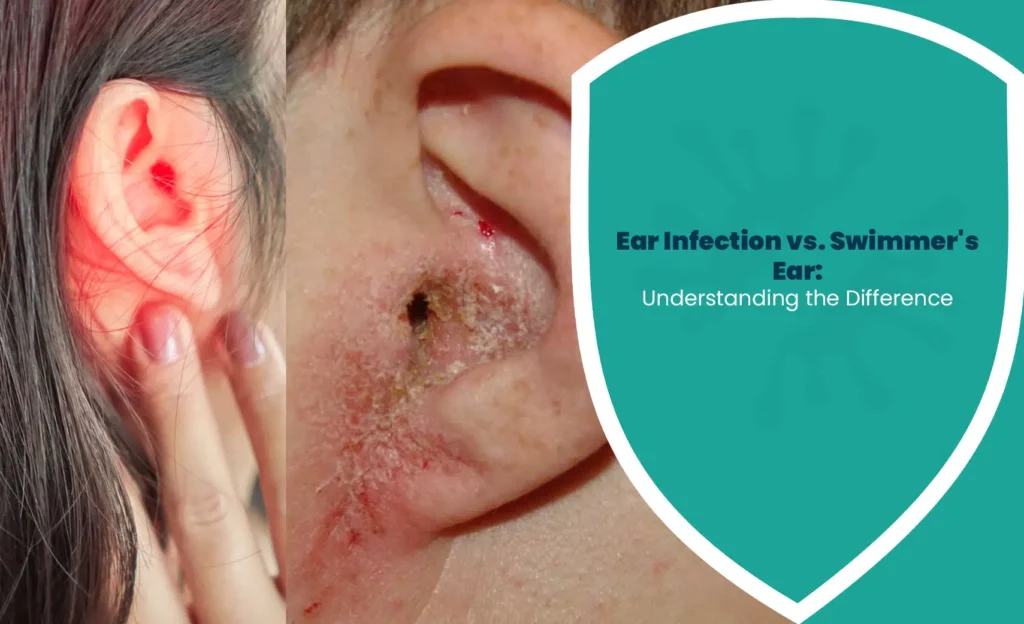
There are many reasons why you may have ear pain, and it is important to know what is causing it, because each problem is treated differently. Most people become confused about ear infection and swimmer’s ear. Both are ear infections. Infection of the outer ear (otitis externa), commonly called “swimmer’s ear,” can be caused by a number of things on top of water contamination. It also has symptoms incredibly similar to middle ear infections (otitis media). It can make it difficult to determine which is which. Both cause pain, discomfort, and liquid drainage.
Table of Contents
ToggleThis blog explains the ear infection and swimmer’s ear, how to recognize each, and how conditions like a bacterial ear infection are generally treated with antibiotics like Zylomox 500 mg and Zylomox 250 mg.
Overview: Ear Infection and Swimmer’s Ear
What is a ear infection?
Otitis media is a frequent infection of the middle ear, the tiny air-filled chamber located just behind the eardrum. Most of the time this is the result of fluid trapped behind the eardrum. This often occurs after a cold, sinus infection, or allergies, where fluid is trapped behind the eardrum and bacteria or viruses can grow. It is a very common cause of ear infection, especially in young patients.
A ear infection in children is because of children’s eustachian tubes, which are shorter and more horizontal than adults’ ears and therefore drain less efficiently, making it easier for fluid and bacteria to become trapped. Middle ear infections are actually one of the most common childhood illnesses diagnosed, and most children will have at least one episode before they are three years old.
What Is Swimmer’s Ear?
Swimmer’s ear (otitis externa) involves the outer ear canal, the tube that leads from the outer opening of the ear to the eardrum, not the space behind the eardrum. This usually happens when water gets trapped in your ear canal after swimming, bathing, or showering. This provides a warm, moist environment where bacteria (and sometimes fungus) can grow. It can also happen if you scratch the ear canal with cotton swabs, fingers, or earbuds, which damages the thin protective skin that lines the canal. Any kind of excess moisture or minor trauma to the ear canal can set off the same problem.
How to Tell If You Have Ear Infection and Swimmer’s Ear
Ear infection and swimmer’s ear usually cause the following symptoms:
- Pain when pulling the outer ear or pushing on the small flap in front of the ear canal (tragus)
- Itching inside the ear canal, sometimes before pain
- Redness and swelling of the external canal, which may appear narrowed
- Drainage often starts clear and can later turn yellow or pus-like
- Feeling of fullness or blockage, and sometimes temporary hearing muffling
- Usually low or no fever
Ear infection (otitis media)
- Pain deep in the ear
- No pain when touching or pulling on outer ear
- Fever, particularly in children
- A feeling of fullness or pressure behind the eardrum
- Sometimes fluid drainage if the eardrum is broken
- Rather than a clear complaint of pain, ear-tugging, fussiness, trouble sleeping or decreased appetite may be the symptoms in infants and toddlers
Ear Infection and Swimmer’s Ear: Symptoms in Adults
Ear infection symptoms in adults may be slightly milder or easier to overlook than in children but usually include the following:
- Ear pain (from mild to sharp and intense)
- Muffled hearing or sound that seems “underwater”
- Sense of being under stress or blocked
- Drainage of fluid, particularly when the eardrum has ruptured
- Some experience mild dizziness or loss of balance
- Low-grade fever (more common in children than in adults)
Swimmer ear infections are a little less common in people beyond adolescence because adults have eustachian tubes that are wider and more slanted than children’s tubes. However, ear infection and swimmer’s ear still occurs, especially after a cold, sinus infection, or air travel with congestion.
Ear Infection and Swimmer’s Ear Pain Causes
Ear pain causes go beyond just infections. Other causes of pain include:
- Earwax impaction or blockage
- Sinus congestion and pressure changes (like flying)
- TMJ (jaw joint) dysfunction that may radiate pain into the ear
- Dental problems, including impacted wisdom teeth
- Foreign bodies in the external auditory canal
- Referred pain from infections in throat
An appropriate diagnosis is important for this reason.
Ear Infection and Swimmer’s Ear: Both are treating pain that is not related to an infection, or treating the wrong condition with antibiotics will not fix the underlying problem.
Ear Infection and Swimmer’s Ear: Treating a Bacterial Ear Infection
If it’s determined to be a bacterial infection (rather than a viral one), healthcare providers often prescribe oral antibiotics, particularly if middle ear infections aren’t clearing up on their own, are severe, or happen in young children.
Zylomox 500 mg is used for adults and older children. Zylomox 250 mg is often used for patients with a lower body weight or milder infections, as decided by a healthcare provider. It is an antibiotic of the penicillin class.
But swimmer’s ear is usually treated differently, and most cases respond well to topical antibiotic ear drops rather than oral antibiotics such as Zylomox because the infection is confined to the outer ear canal rather than affecting the middle ear or bloodstream. In more severe or spreading cases of otitis externa, oral antibiotics are used.
Zylomox 500mg inhibits key proteins in bacteria required for the building of their cell walls by killing bacteria. This prevents subsequent growth and multiplication of bacteria, helping the body’s immune system to clear the infection. The dose of Zylomox varies according to the severity of the infection and response to treatment. Adults’ usual dosage is one 250 mg or 500 mg capsule every 8-12 hours. It is crucial to have a healthcare provider verify if the ear condition is bacterial, viral, or non-infectious prior to starting treatment.
Ear Infection and Swimmer’s Ear: Reason to Call Your Doctor
Whatever type of ear problem you think you might have, it’s better to get it checked out if you suffer from the following:
- Severe or worsening ache
- High fever.
- Drainage of fluid or pus from the ear
- Hearing loss that is not improved
- Persistent symptoms since 2-3 days without improvement
- Repeated middle ear infection
A healthcare provider can use a light to look inside the ear canal and at the eardrum to see exactly which condition is present and recommend the right treatment, whether that’s watchful waiting or an oral antibiotic like Zylomox.
The Bottom Line
Ear infection and swimmer’s ear both cause pain and discomfort, but they affect different parts of the ear, have different causes, and are treated differently. Swimmer’s ear is an infection of the outer ear canal that is often caused by trapped moisture or irritation. Zylomox is recommended to treat different bacterial infections such as skin infections, respiratory tract infections, urinary tract infections, etc. Amoxicillin distributes to all body tissues and interstitial fluid in the gallbladder, abdomen, skin, fat, and muscle tissues. It penetrates into bile, pus, synovial, and peritoneal fluids. You can use an antibiotic such as Zylomox 500mg or 250mg after taking advice from your doctor.
FAQs
1. What are ear infection and swimmer’s ear?
Swimmer’s ear affects the outer portion of the ear. It causes irritations. On the other hand, ear infections such as otitis media affect the middle ear behind the eardrums. It it caused by allergies, cold, etc.
2. How do you know if you have swimmer’s ear?
Swimmer’s ear can cause pain when pulling on the outside of the ear or pressing on the opening of the ear canal. Itching and redness in the canal are common. Deeper ear pain that is not tender to touch is usually caused by a middle ear infection and is often accompanied by fever.
3. Are ear infections common in children?
You can experience a ear infection at any age. Children’s ear infections, mainly middle ear infections, are mainly because of short eustachian tubes. Most kids have at least one ear infection before their third birthday, but adults are less prone to them.
4. Can Zylomox be used for ear infection and swimmer’s ear?
Zylomox is usually used for confirmed bacterial middle ear infections. Swimmer’s ear is usually treated with antibiotic ear drops, which are put into the ear. Zylomox 500 mg or 250 mg is an oral antibiotic. These are used to stop spreading infections.
5. Can ear pain be something other than an infection?
Yes. Other reasons for ear pain are wax in the ear, water in the ear, changes in sinus pressure, issues with jaw joints, and throat and teeth issues. You need proper treatment on time.