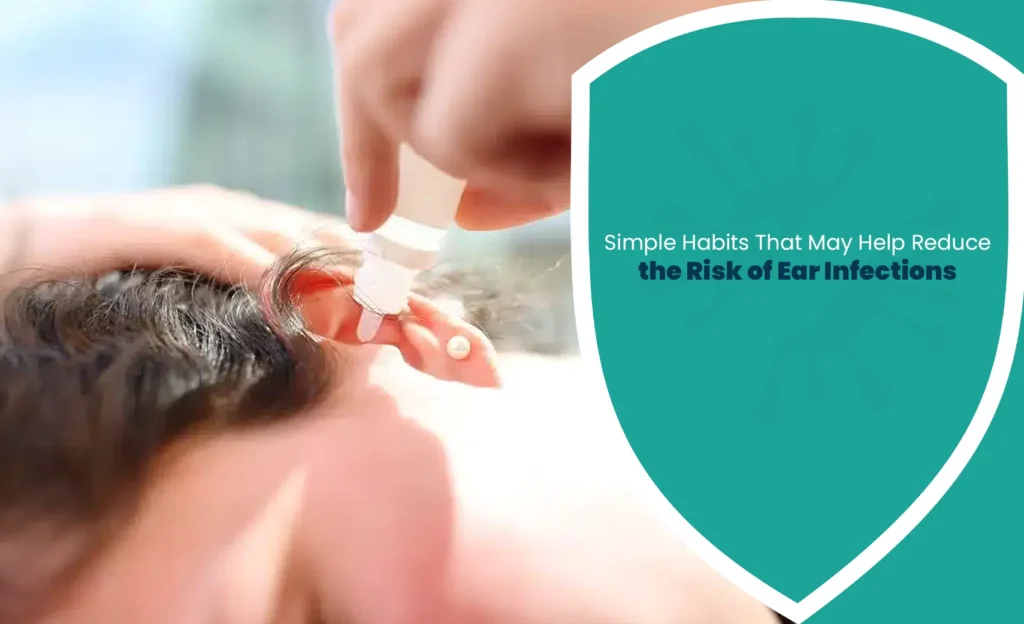
The risk of ear infections isn’t only a problem for kids. Adults can have them as well, and they can be caused by some regular occurrences that most people don’t pay attention to, such as swimming in the pool, using headphones, cotton swabs, or even the common cold. You should learn about your risk of ear infection, and establishing a few good habits can easily prevent your ears from becoming irritated, inflamed, or infected.
Table of Contents
ToggleWhy Ears Get Infected in the First Place
The ear is a sensitive, wet area. The ear canal should remain moist, earwax should not be removed (which reduces the ear’s natural protection), and when fluid collects behind the eardrum due to a cold or sinus infection, bacteria and fungi can grow. Middle ear infection otitis media is most frequently seen in children but can also occur in adults. Outer ear infection (otitis externa) can occur in anyone who spends significant time in water or uses in-ear devices for extended periods (“swimmer’s ear”).
Signs of an Ear Infection Before It Gets Worse
Early detection of the risk of ear infections is the best prevention. The most common symptoms of an ear infection are:
- Ear pain that is dull, sharp, or throbbing.
- A sensation of being full or ‘stuffed’ in the ear.
- Continued hearing loss or temporary hearing loss due to muffled hearing.
- Ear fluids or ear discharge that drains away
- Ear canal itching or outer ear canal redness
- Low temperature, particularly in children
- Having trouble sleeping because of ear discomfort (occurs in babies and toddlers, and they may pull at their ear)
If any symptoms regarding the risk of ear infections persist for more than a day or two or are accompanied by fever, pain that increases, or drainage, it is advisable to seek medical attention instead of waiting and seeing.
Healthy Ear Care Habits You Can Start Today
It doesn’t take special products to have healthy ear care habits; it takes only some simple changes in your daily routine to reduce the risk of ear infections.
- The most common cause of outer ear infections is moisture in the ear canal. After swimming or showering, tilt your head to each side to drain out and pat the outer ear dry gently with a towel.
- Cotton swabs are more likely to push the wax further into the canal rather than pulling it out, and they may damage the thin skin of the ear, allowing bacteria to enter. Allow ears to self-clean; earwax is not a dirty substance.
- Long, continuous use of in-ear headphones will lead to trapping moisture and warmth, which is perfect for the growth of bacteria and fungus. Regularly take breaks and clean earbuds to prevent buildup.
- With allergies or colds, the Eustachian tube may become blocked, causing fluid to build up in the middle ear. Saline rinses, steam, and, depending on the cause, antihistamines are good ways to begin to treat nasal congestion early, and this can help reduce the risk of infection.
- Second-hand smoke affects the Eustachian tube, leading to an increased incidence of middle ear infections, especially in children. One of the lesser-known ear health tips is to keep the living areas smoke-free.
How to Prevent Ear Infections Naturally
When it comes to preventing the risk of ear infections naturally, it’s important to focus on strengthening the body’s own immune system and not dive into the ear to clean or medicate it if it’s uncomfortable.
- Dry the ear canal after swimming, particularly with a hairdryer on low heat but at a distance, for individuals who are susceptible to swimmer’s ear.
- After swimming, try a few drops of a vinegar-and-water solution (equal parts white vinegar and rubbing alcohol), some of which claim to help dry the canal and inhibit the growth of bacteria. You should be sure to consult your doctor before using this solution if you have ear tubes, a perforated eardrum, or any ear condition.
- To help equalize the pressure in your ears, chew gum or swallow during flights to keep your Eustachian tube open.
- Drink plenty of fluids and get plenty of rest because a healthy immune system reacts more quickly to the viral infections that can lead to ear infections.
- Breastfeed infants when possible; research links this to a lower incidence of middle ear infections in infants. This is because of the transfer of antibodies from breast milk and the position when feeding.
How to Protect Ears From Infection During Illness
One of the most common causes of middle ear infections, particularly in children, is colds, the flu, and sinus infections. When it’s cold outside, to keep ears safe from infection:
- Gently blow the nose, alternating sides to prevent pushing the mucus into the Eustachian tube.
- Hold infants in an upright feeding position as much as you can, as lying flat when an infant is bottle-fed can cause fluid to collect near the Eustachian tube.
- Keep nasal passages moist with a humidifier to prevent congestion buildup.
- Be proactive in the care of your allergies during the high-pollen season when you tend to develop ear infections after an allergy attack.
How to Prevent Risk of Ear Infections When You Wear Hearing Aids or Earplugs
This is a different solution for those who wear hearing aids, earplugs, or swim molds regularly:
- Dry them with a clean cloth every day; don’t put them in a wet ear canal.
- Allow ears a couple of hours a day away from an inserted device to allow the canal to breathe.
- Change foam earplugs often; don’t reuse old ones.
- Keep in a dry, well-ventilated case, not in plastic bags.
Medical Support: Risk of Ear Infections
For most cases of irritation to the exterior ear or early signs of congestion (fullness), the above habits will suffice. However, sometimes a bacterial ear infection (which can be confirmed with a doctor’s examination of the eardrum) does require antibiotics. Doctors might recommend antibiotics if the bacterial middle ear infection doesn’t go away on its own or if it has a greater risk of complications, such as antibiotics for amoxicillin-clavulanate combinations (known as Augmine 625 mg and Moxikind CV 625 mg in some markets). These are pharmaceutical medications. Doctors should recommend antibiotics, dosage, and length of treatment based on an actual ear exam and not based on self-choices to resolve the risk of ear infections. The use of antibiotics regularly may also be another way to develop antibiotic resistance; it is important to keep antibiotics for use only in these cases.
Building an Ear-Health Checklist
Habit | When | Why It Helps |
Dry ears after swimming/showering | Same day, every time | Prevents moisture-driven bacterial growth |
Avoid cotton swabs | Ongoing | Protects the ear canal lining |
Take headphone breaks | Every few hours | Reduces trapped heat and moisture |
Treat colds/allergies early | At first symptom | Prevents Eustachian tube blockage |
Clean hearing aids/earplugs daily | Daily | Prevents bacterial buildup on devices |
Watch for early symptoms | Ongoing | Allows faster treatment if needed |
The Bottom Line
The best way to prevent the risk of ear infections is to keep ears dry, to not unnecessarily poke and prod at ears, and to treat colds and allergies before they get the opportunity to cause fluid buildup in the middle ear. This is a set of easy-to-do, inexpensive habits, which can be integrated into existing routines. When symptoms do occur, and they may include pain, drainage, muffled hearing, or fever, it is important to seek medical attention as soon as possible to receive treatment, which may be just ear drops, or if a bacterial infection is identified, an appropriately prescribed antibiotic.
Frequently Asked Questions
1. What are the earliest signs of a risk of ear infections you shouldn’t ignore?
Ear pain is the first sign, followed by fullness or pressure in the ears, muffled hearing, and the drainage of fluid. Early signs in young children include tugging of the ear, irritability, and difficulty sleeping.
2. Can you prevent ear infections naturally without medication?
Yes, in many cases. No medication is necessary to reduce risk, as it can be reduced by keeping ears dry; avoiding cotton swabs; preventing allergies; treating colds promptly; and taking breaks from headphones or earplugs.
3. Are ear infections contagious?
Ear infections are created because of respiratory and cold viruses. This passes from an infected to a non-infected person. One of the reasons for this is that colds, if they are treated quickly, can help prevent ear infections.
4. About how long does it take an ear infection to get better?
Most mild cases get better within 2-3 days without antibiotics, but they should be diagnosed by a doctor. If you have an infection caused by bacteria that needs antibiotics, you should start feeling better within 48-72 hours of beginning the medication.
5. Should I use over-the-counter ear drops at the first sign of pain?
It depends on the cause. Foot drops or foot/wax softening drops are not suitable for middle ear infections, and use of the wrong type of drop can delay the correct treatment. If pain is severe or chronic or if drainage or fever is present, it is best to see a doctor and be checked before attempting home treatment.