The part nobody really thinks about.
Table of Contents
ToggleMost people check the sheets, maybe glance at the bathroom, and then settle in. Fair enough. A hotel room or a short-term rental is supposed to feel clean enough that you stop thinking about germs after five minutes.
But that’s not always how it works.
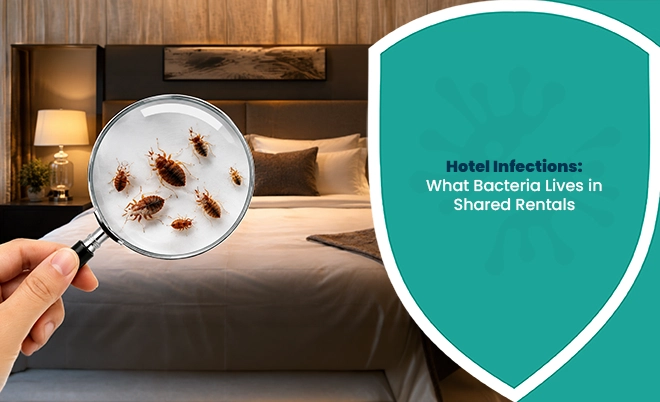
Hotel infections can happen because shared spaces are, well, shared. Lots of people touch the same handles, switches, remotes, faucets, and surfaces. Some rooms are cleaned really well. Others are kind of rushed. And once you start noticing it, you realize there are plenty of places where bacteria can hang around longer than you’d expect.
I’m not saying every hotel room is dangerous. It’s not that dramatic. But there is a real difference between looking clean and actually being clean.
Where bacteria tends to hide
The obvious places are usually the worst offenders. Light switches, TV remotes, door handles, bedside tables. Pretty basic stuff, but also the stuff everyone touches without thinking.
Then there are the less obvious spots. The coffee machine. The ice bucket. The shower curtain. The phone in the room, if anyone still uses those. Sometimes the fabric headboard too, which people lean against for hours. That’s the weird thing about Hotel Infections: it’s not one dramatic dirty surface, it’s the boring little ones.
In shared rentals, bacteria can also survive in places that stay damp. Bathroom counters, drains, sink edges, and yes, occasionally the faucet area. People usually wipe the visible stuff and move on, but moisture changes the game.
Shared spaces are the real issue
A lot of the concern comes down to shared space bacteria. One guest’s habits become the next guest’s problem. That’s the annoying part.
If someone had a skin infection, or they were sick, or they just didn’t wash their hands properly, the next person may never know. Most of the time nothing happens. Sometimes it does. That’s why people worry about Hotel Infections even when the room looks spotless.
The bigger issue is that not all bacteria behave the same way. Some die off quickly. Some don’t. Some can linger on surfaces long enough to matter, especially when you’re touching your face, using the bathroom, or sleeping in close contact with fabric and bedding.
What kinds of bacteria are we talking about?
People usually hear names like staph and immediately think the worst. It’s understandable. “Staph skin infection” is one of those words. It sounds serious, and it can be. It usually starts as something small, like redness or swelling or a sore spot but can become a bigger problem if it spreads.
There’s also the general worry about MRSA travel risk, especially in places where lots of people come and go. MRSA is not something you want to casually run into, though the actual risk in a normal hotel stay is still not huge for most people. It’s more about being aware than panicking.
And then there are the everyday bacteria that aren’t famous but still matter. The kind that live on damp surfaces, bathroom fixtures, and anything that gets wiped in a hurry and left slightly wet.
Bathrooms are probably worse than the bedroom
This part is not exactly shocking, but it matters. Bathrooms usually have the highest bacterial load in a shared rental. Sinks, toilet areas, shower handles, and faucet zones get touched constantly and cleaned unevenly.
Bathroom faucet bacteria is a good example of something people forget about. The faucet itself, the handle, and the area around it, all of that gets touched when hands are dirty, clean, wet, rushed, or a mix of all three. Then someone else uses it a few hours later.
So yes, the bedroom may look softer and safer, but the bathroom is usually where the real mess lives. Hotel Infections often start in places that look harmless because they’re shiny and wiped down.
Why some people get sick and others don’t
This part is a little annoying because it feels random, and sometimes it is. Two people can stay in the same room and only one gets sick.
A lot depends on your skin condition, whether you have cuts or cracks in your skin, how often you touch your face, and whether your immune system is already under strain. If you’re exhausted, stressed, dehydrated, or traveling a lot, your body may not be as good at brushing things off.
That’s why Hotel Infections seem unpredictable. The room is one part of it, but your own habits matter too.
The hotel vs rental question
People love comparing Airbnb vs hotel cleanliness, but the answer is never neat. Hotels usually have more formal cleaning routines, though quality varies a lot. Rentals can feel more personal and sometimes more homey, but they also depend heavily on the host and how thorough the turnover is.
A hotel may have trained staff but still miss things because they’re rushing. A rental may be spotless one week and not so great the next. So it’s less about the category and more about the actual cleaning standard.
Honestly, that’s why travellers keep arguing about it. There’s no simple winner.
What you can actually do
You do not need to live in fear of every surface. But a few simple habits help more than people think.
If you want practical travel infection prevention, start with the basics: wash your hands often, avoid touching your face, and wipe down high-touch surfaces when you arrive. Some people bring disinfectant wipes, and that’s fair enough. You can also use your own pillowcase or travel towel if that makes you feel better.
If the room feels damp, smells off, or the bathroom looks skipped over, trust your instincts a bit more. Not in a dramatic way. Just enough to notice when something seems wrong.
These are the kinds of rental hygiene tips that sound boring until you actually need them.
When medicines enter the conversation
Most of the time, mild exposure to germs in travel settings does not mean you need medicine. In fact, that’s exactly why people should not self-treat based on fear alone. If you notice signs of infection, like worsening redness, pus, fever, or pain, a clinician should decide what’s going on.
Some antibiotics, including Zylomox 250 mg, may be prescribed in certain bacterial infections depending on the situation and local medical guidance. Another option doctors may consider in some cases is Amoxyheal CV 375 mg. But these are not one-size-fits-all fixes, and they should never be taken just because you stayed in a hotel or rental and feel uneasy.
That’s really the key point: Hotel Infections are something to prevent and watch for, not something to guess your way through with medicine.
The small signs people ignore
A lot of people wait too long because the early signs seem minor. A weird patch of redness. A sore spot after using a shared bathroom. A pimple-like bump that doesn’t behave like a normal pimple. These little things are easy to ignore.
Sometimes they go away on their own. Sometimes they don’t.
If you notice skin changes after travel, especially around cuts, legs, arms, or anywhere that had friction or shaving, keep an eye on it. Again, no need to spiral. Just don’t act like every sore is nothing either. Hotel Infections can begin with small, ordinary-looking symptoms.
Why this topic keeps coming up
People travel more now, stay in more shared spaces, and worry more about what they can’t see. Fair enough. A room can look polished and still have hidden bacteria in places nobody checked properly. That gap between appearance and reality is probably why these worries stick.
It’s also why people keep searching for signs of cleanliness, comparing hotel policies, and asking about hotel Infections after a trip. They want some sense of control, even if it’s limited.
And to be honest, that makes sense.
A normal way to think about it
You do not need to treat every hotel or rental like a biohazard zone. That’s too much. But it’s also not silly to be cautious, especially with shared bathrooms and high-touch surfaces.
Use common sense. Clean the stuff you touch most. Pay attention to damp areas. Be careful if you already have cuts or skin irritation. And if something looks or feels off after travel, get it checked rather than guessing.
Hotel Infections are real, but most of the time they are manageable with simple habits and a bit of awareness.
FAQs
- Can you get sick from a hotel room?
Yes, sometimes. It’s more likely from shared surfaces or poor hygiene than from the room itself.
- What bacteria are most common in rentals?
Staph and other surface bacteria are common, particularly in bathrooms and on frequently touched objects.
- Should I worry about towels and bedding in a hotel room?
Usually no, if they’re properly cleaned. Still, it’s okay to be cautious if something looks or smells off.
- Is one night enough to catch something in a hotel room?
It can happen, but it’s not likely for most healthy travelers.
- Do I need antibiotics after exposure in a hotel room?
No, not unless a doctor thinks you actually have a bacterial infection.