
Albendazole
Albendazole is a medication that works as a broad spectrum anti-helmintic (anti-worm) agent. It is used to treat various parasitic infections including neurocysticercosis, hookworms and pinworms. Albendazole was introduced in 1977 as an antihelmintic for sheep in Australia but later in 1982 it was registered for human use. It is on the World Health Organization’s List of Essential Medicine. …. Read More

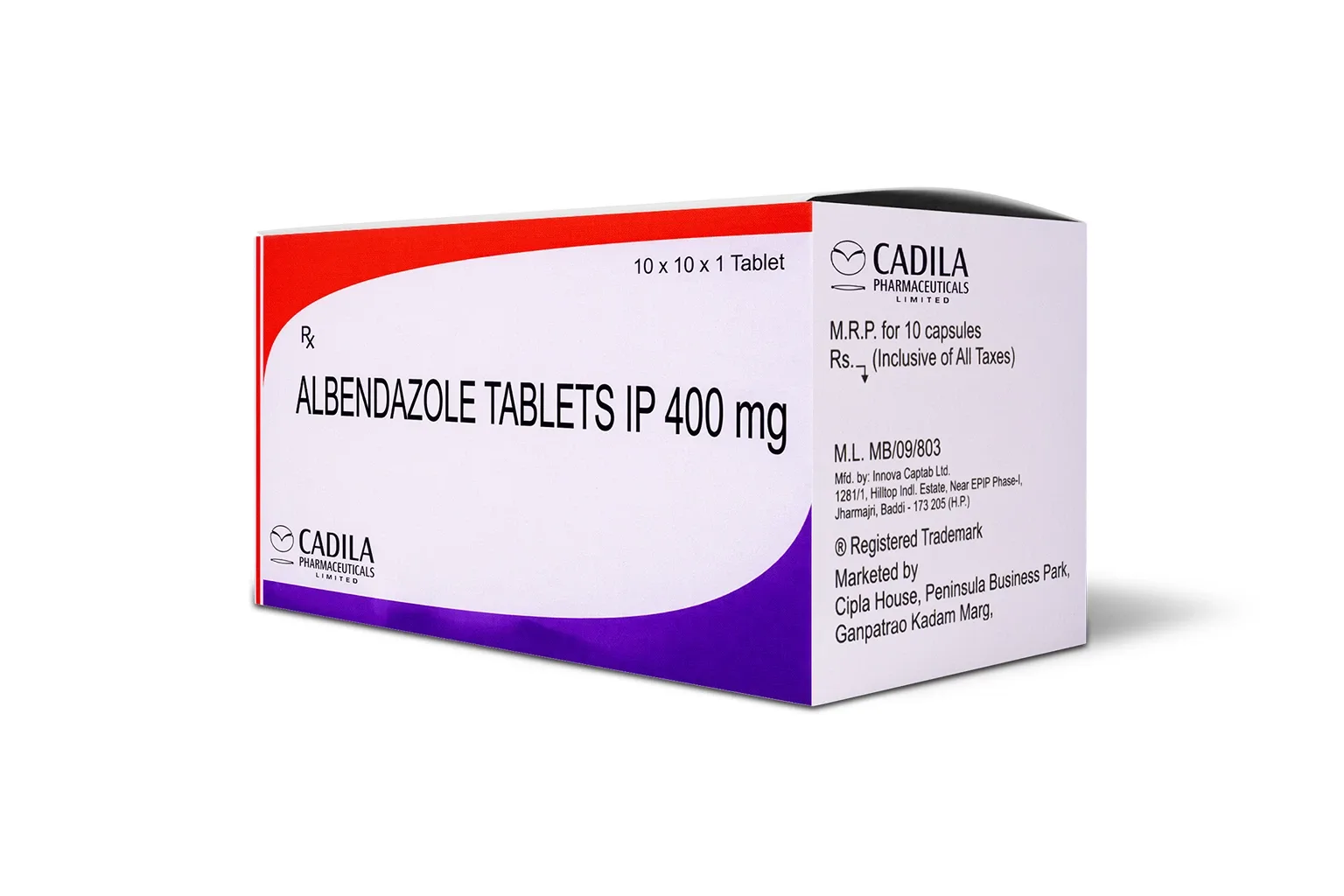
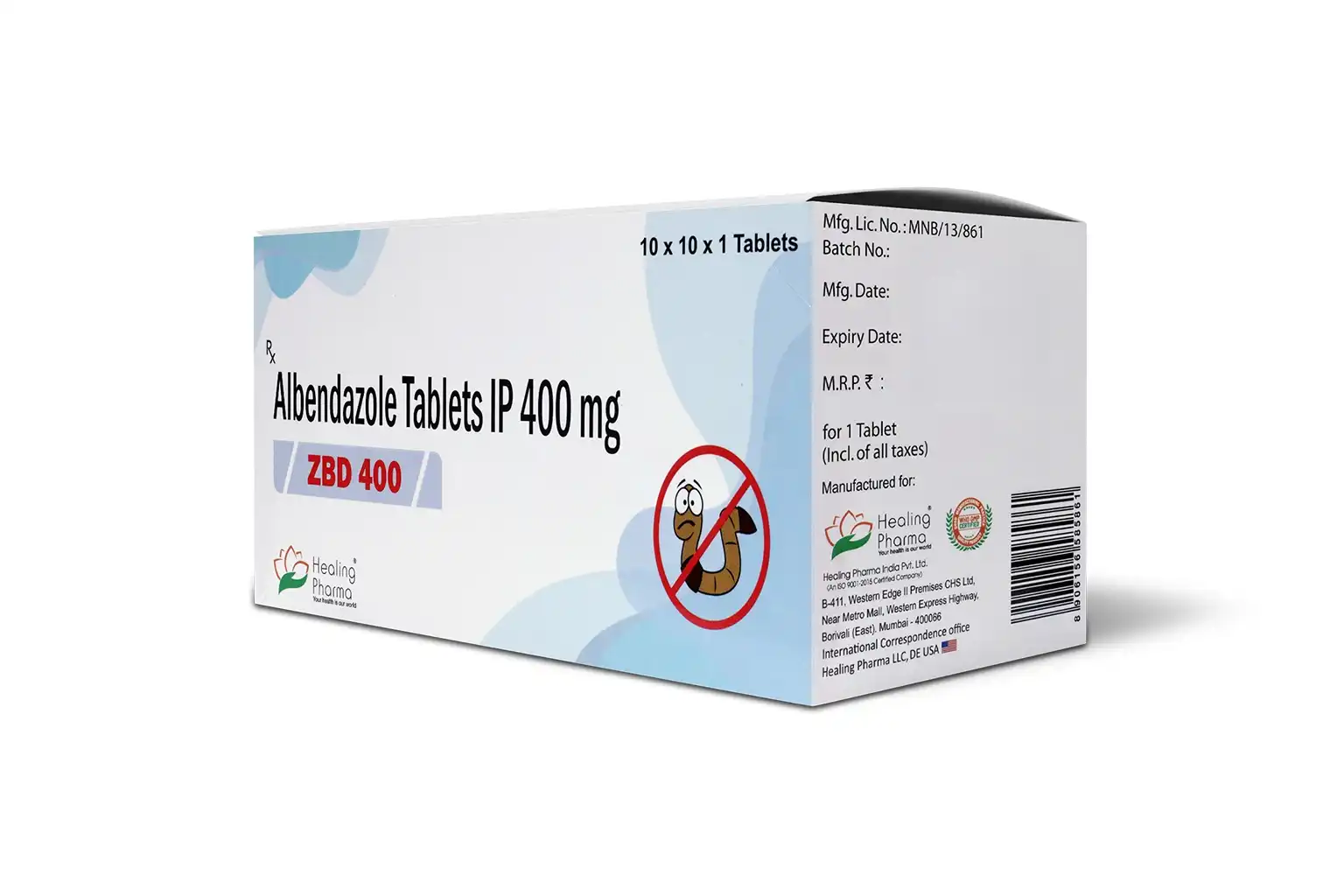
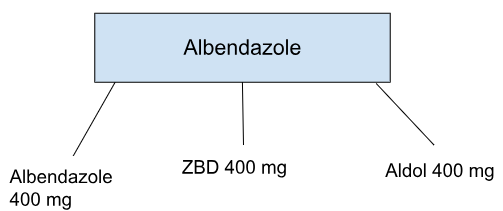
Albendazole 400mg Tablet
$50.00 – $290.00Price range: $50.00 through $290.00Rated 5.00 out of 5Shop Now This product has multiple variants. The options may be chosen on the product pageAldol 400 Mg
$50.00 – $290.00Price range: $50.00 through $290.00Rated 5.00 out of 5Shop Now This product has multiple variants. The options may be chosen on the product pageZBD 400 Mg
$50.00 – $290.00Price range: $50.00 through $290.00Rated 5.00 out of 5Shop Now This product has multiple variants. The options may be chosen on the product page

Key Features:
- Drug Class: Benzimidazole
- Therapeutic Category: Antihelmintic
- Action mechanism: Inhibits microtubule synthesis
- Uses: Treats infections caused by worms like hookworms, pinworms,etc
How does Albendazole work?
- Targeting Tubulin: The active metabolite, Albendazole sulfoxide, specifically targets the colchinine-sensitive site of tubulin, a protein essential for cellular function
- Microtubule disruption: As albendazole prevents the polymerization of the tubulin, it causes changes in the intestinal cells of worms due to which the ability to take in nutrients is reduced
- Energy depletion: The disruption of glucose intake and depletion of glycogen stores leads to loss of ATP, which causes loss of energy in parasites
- Worm death: As the energy intake is reduced, the worm gets immobilized and eventually leads to the death of worm
Uses
Albendazole is used to treat parasitic infections. It is an effective treatment for:
- Flatworms
- Nematodes
- Pinworm infections
- Filariasis
- Hookworm infections
- Intestinal Capillariasis
- Toxocariasis
Dosage
The dose of this medicine will be different for different people. The amount of medicine you take depends on the strength of the medicine. Dose is usually based on body weight and must be determined by your physician.
If you miss a dose of this medicine, take it as soon as possible.
Side Effects
Common side effects are:
- Headache
- Nausea/Vomiting
- Lightheadedness
- Reversible hair loss
- Fever
Serious side effects are:
- Liver issues like jaundice, swelling, Fatty Liver Disease
- Blood disorders like anaemia, Iron deficiency, Thrombocytopenia
- Severe allergic reactions
Interactions
Reduced Effectiveness:
- Seizure medications like Phenytoin & Carbamazepine
- Phenobarbital
- Ritonavir
The drugs that increase Albendazole levels are:
- Cimetidine
- Dexamethasone
- Prasiquantel
Dietary warnings: Avoid grapefruit and grapefruit juice as well as alcohol when using the medication.
Other potential interactions are seen with:
- Theophylline
- Aspirin and Tylenol (Acetaminophen)
- Methotrexate
Pharmacokinetics
- Absorption: Albendazole is poorly absorbed in the gastrointestinal tract(< 5%)
- Distribution: Albendazole sulfoxide is 705 bound to plasma protein and is widely distributed throughout the body
- Metabolism: Albendazole has rapid first pass metabolism which is primarily metabolised in the liver and is converted to its active metabolite, albendazole sulfoxide and subsequently to inactive metabolite called Albendazole sulfone
- Elimination: It is primarily excreted in urine as metabolites with some biliary excretions. Urinary excretion is a minor elimination pathway with less than 1% of the dose eliminated in the urine.
Pivotal Points
- Albendazole should be taken with food
- Albendazole can cause fetal harm and thus the women of child bearing age should start the treatment only after the pregnancy test gives negative results.
- Monitoring of blood counts and liver function tests should be done during the therapy.
Precautions
- Do not take if you are pregnant or try to conceive as it can be harmful to the baby
- Avoid alcohol intake
- Monitor blood count and liver functions
Conclusion
Albendazole remains a vital treatment for parasitic worm infections, owing to its broad-spectrum activity, effectiveness, and its availability worldwide. From common intestinal worms to more serious systemic infections like Neurocysticercosis, it offers reliable results when used appropriately. It is globally recognised for its dependability, provided it is used under professional guidance.
Frequently Asked Questions (FAQ's)
1) What is Albendazole used for?
Albendazole is an antihelmintic used for the treatment of parenchymal neurocysticercosis and other helminth infections.
2) Can Albendazole be harmful?
Albendazole is generally considered safe and effective when used under medical guidance and it has a low incidence of side effects.
3) What are the common side effects of Albendazole?
The common side effects of Albendazole are headache, light headedness, nausea, vomiting.
4) Which worm infections does Albendazole treat?
Albendazole works against several parasites like roundworms, hookworms, tapeworms, pinworms and flukes.
5) Is Albendazole safe for children?
The medication has proven to be quite safe. For children under 2 years, medical guidance should be taken.