
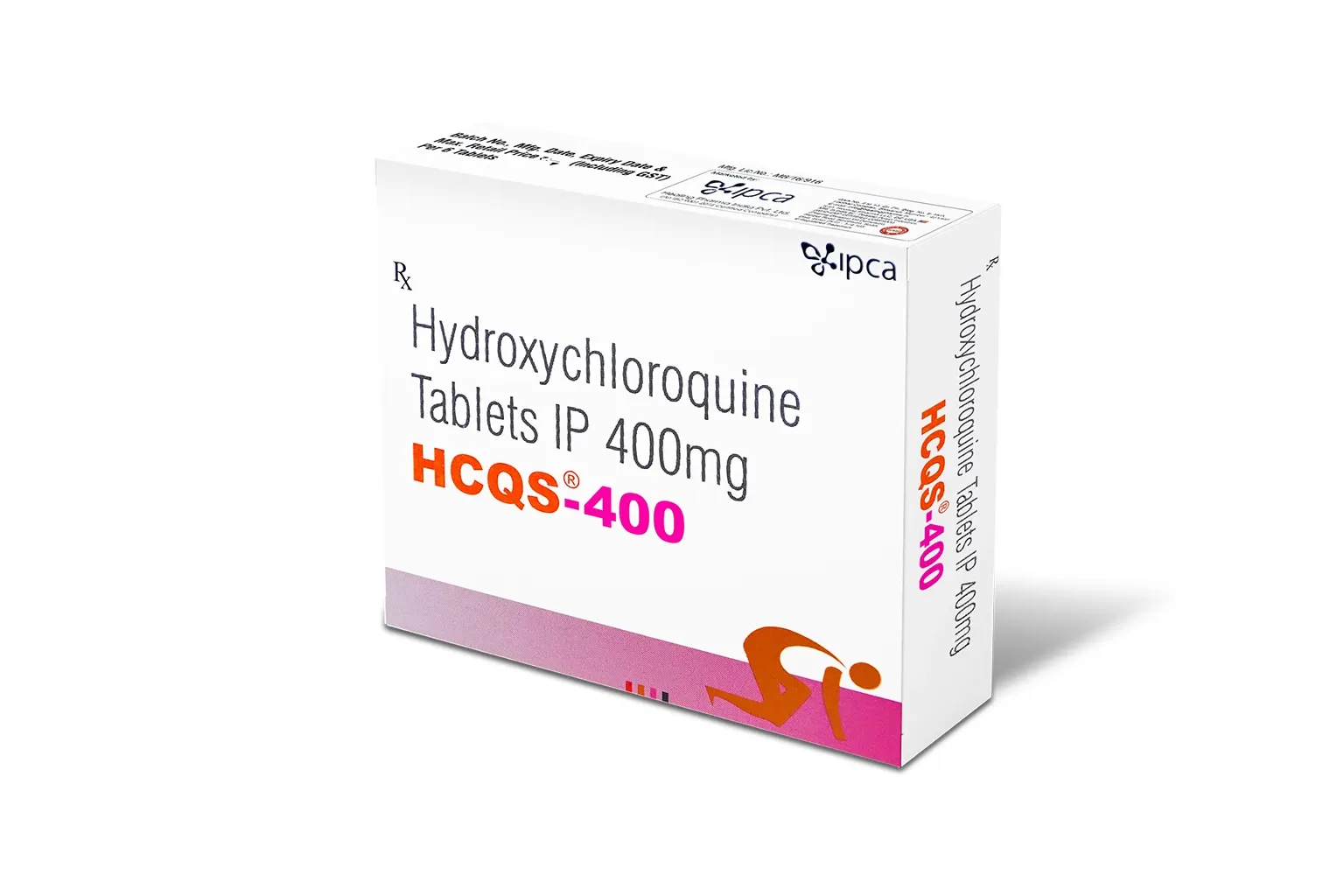
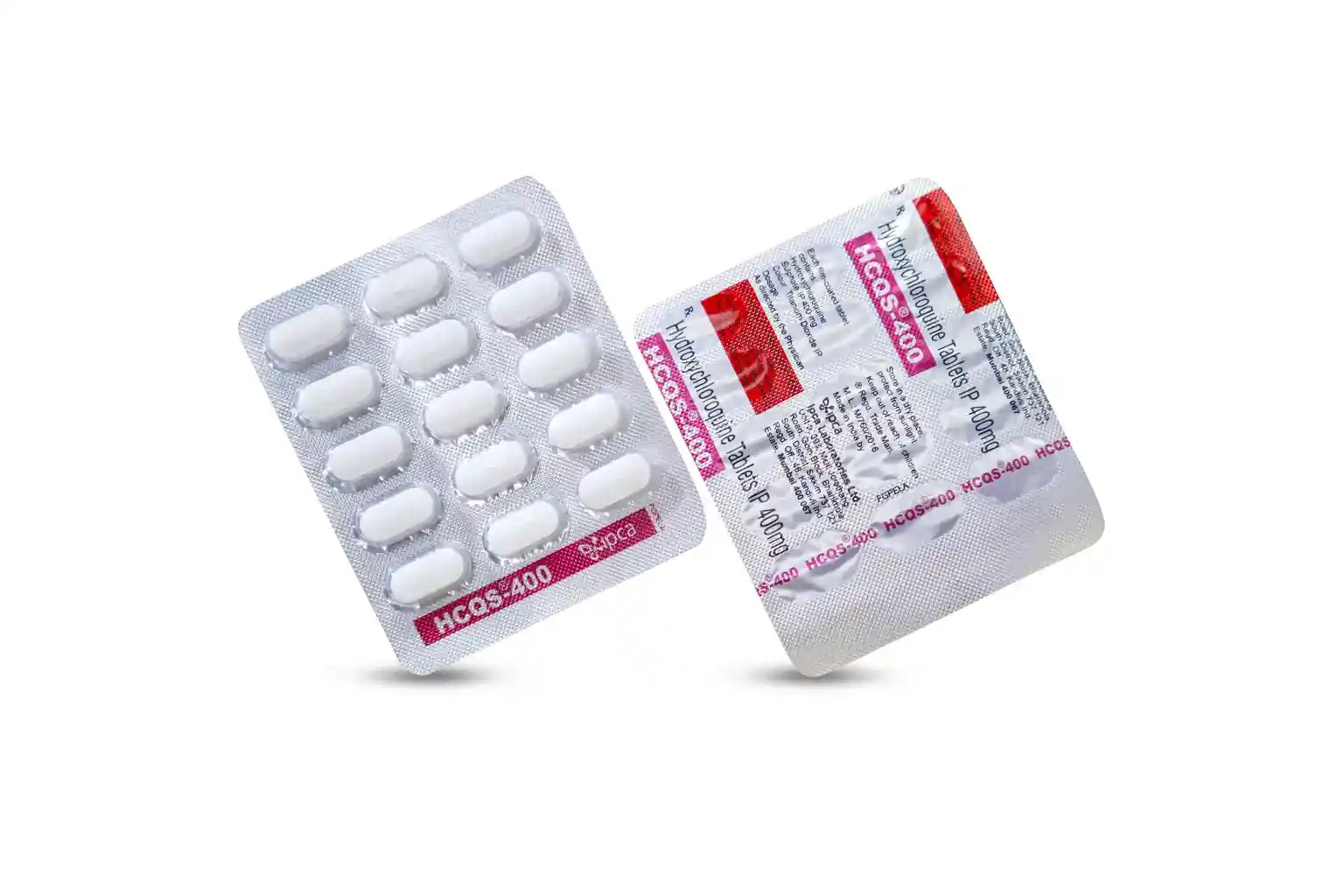
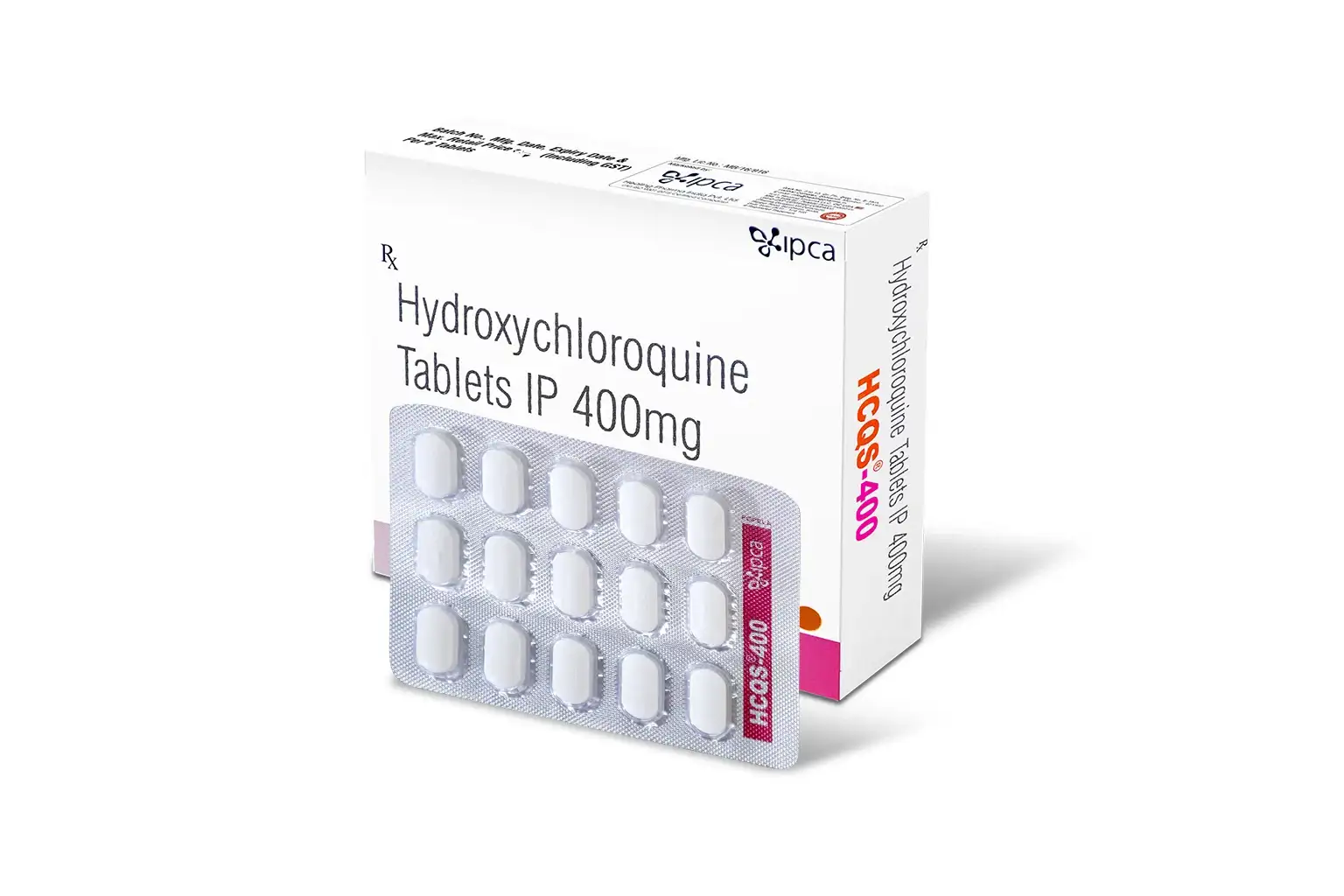

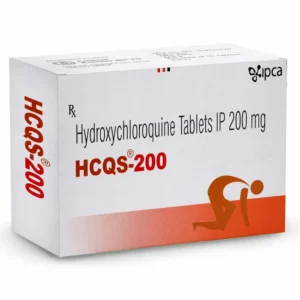
HCQS 400 mg contains the active substance hydroxychloroquine sulfate and is used for the treatment of rheumatoid arthritis and systemic lupus erythematosus. It is also used in the treatment and suppression of malaria. This medicine works gradually in inflammatory and immune-related disorders. It’s typically used as part of a long-term treatment plan created by a rheumatologist or other qualified healthcare professional.
Key Features
| About HCQS 400 mg |
|---|
| Drug Class: Anti-malarial and Disease-Modifying Anti-rheumatic Drug (DMARD) |
| Subclass: 4-aminoquinoline derivative |
| Product Details | |
|---|---|
| Composition | Active Ingredient: Hydroxychloroquine Sulfate Inactive Ingredients:
|
| Packaging Type | Strip Pack |
| Pack Size | 1 × 15 Tablets |
| Dosage Strength | 400 mg |
| Shelf Life | Room temperature in a dark and dry place. Make sure the strip of the tablets is intact and the tablets are not damaged. |
| Uses | Treat autoimmune diseases like rheumatoid arthritis and systemic lupus erythematosus (lupus), as well as to prevent and treat uncomplicated malaria. |
How does HCQS 400 mg work?
It works on the immune cells and the chemical signals that cause inflammation. In conditions such as lupus and rheumatoid arthritis it may reduce excessive immune activity that contributes to swelling, pain, rashes and disease flare-ups.
For malaria, the medicine acts inside infected red blood cells and disrupts functions needed by susceptible malaria parasites. Its usefulness depends on the type of malaria parasite and local resistance patterns, so malaria treatment should always follow medical advice.
Usages
Use HCQS 400 mg exactly as directed by your doctor. Taking the tablet after food or with milk may help prevent nausea or stomach discomfort. Swallow it whole with a full glass of water unless your healthcare provider has specifically told you another way to take it.
If you are using HCQS 400 mg daily taking it at a fixed time can help you remember each dose. Do not stop treatment simply because you begin to feel better as your symptoms may reappear without continued medical guidance.
Dosage
The appropriate dose of HCQS 400 mg depends on the diagnosis. Doctors usually calculate long-term hydroxychloroquine doses based on actual body weight to lower the chance of retinal toxicity.
A HCQS 400 mg tablet may be prescribed once daily, on alternate days or as part of a different dosing schedule. Follow the prescription label exactly. Do not change the dose, use an extra tablet or share the medicine with another person.
If you miss a dose, take it when you remember unless the next scheduled dose is close. In that situation, skip the missed tablet. Never take a double dose to compensate.
Side effects
HCQS 400 mg can cause side effects, although not everyone experiences them.
Which include:
- Headache or dizziness
- Itching, rash or changes in skin colour
- Nausea, vomiting, stomach pain, or diarrhea
- Hair thinning in some individuals
Contact a doctor without delay if you develop:
- Low blood sugar symptoms
- Unusual bleeding and bruising
- Serious skin reaction
- Breathing difficulty
- Irregular heartbeat
- Muscle weakness
- Blurry vision
Interactions
HCQS 400 mg can interact with certain medicines. Share a complete medication list with your doctor, including herbal products and supplements.
Important interactions include:
- Magnesium or aluminum-containing antacids, which may reduce absorption take them at least 4 hours apart from hydroxychloroquine
- Medicines that may prolong the QT interval or affect heart rhythm
- Digoxin, because hydroxychloroquine may increase its blood concentration
- Insulin and oral antidiabetic medicines as blood glucose may drop more than expected
- Tamoxifen which may raise the likelihood of retinal damage
- Other medicines associated with eye, nerve, muscle, liver or blood-related adverse effects
It can also interact with following disease condition:
- Oculotoxicity
- Porphyria
- Blood disorders
Pharmacokinetics
After oral administration, hydroxychloroquine is absorbed effectively and usually reaches peak blood levels within approximately 3 to 4 hours. Its oral bioavailability is around 74%, although this may vary between individuals.
The medicine spreads extensively into tissues, including the liver, kidneys, lungs, spleen, skin and blood cells. Because it remains stored in tissues, hydroxychloroquine leaves the body slowly and has a long terminal half-life of approximately 40 to 50 days. Roughly 40% to 50% is eliminated through the kidneys which is why people with reduced kidney function may require closer medical supervision.
Precautions
HCQS 400 mg Tablet can worsen the conditions like:
- Allergy
- Liver/ Kidney Diseases
- It should be used with caution due to the increased risk of side effects such as dizziness, fainting, and drowsiness
- You must always consult your doctor to get best possible treatment when you are suffering from any of these conditions.
Hydroxychloroquine should be kept out of reach of children. Even a small overdose can be dangerous in children and requires immediate emergency care.
Discuss pregnancy plans, pregnancy, or breastfeeding with your prescribing doctor. In some patients with lupus or related autoimmune disorders, continuing hydroxychloroquine may be appropriate, but this decision should be individualized.
Conclusion
HCQS 200 mg is commonly included in treatment plans for rheumatoid arthritis, lupus, and selected cases of malaria. It is intended for use under a doctor’s supervision and may take time to provide benefit in autoimmune conditions. Eye health, cardiac symptoms and blood sugar levels may need monitoring during therapy.
Emma Smith –
Great experience overall. Customer service was prompt and friendly.