
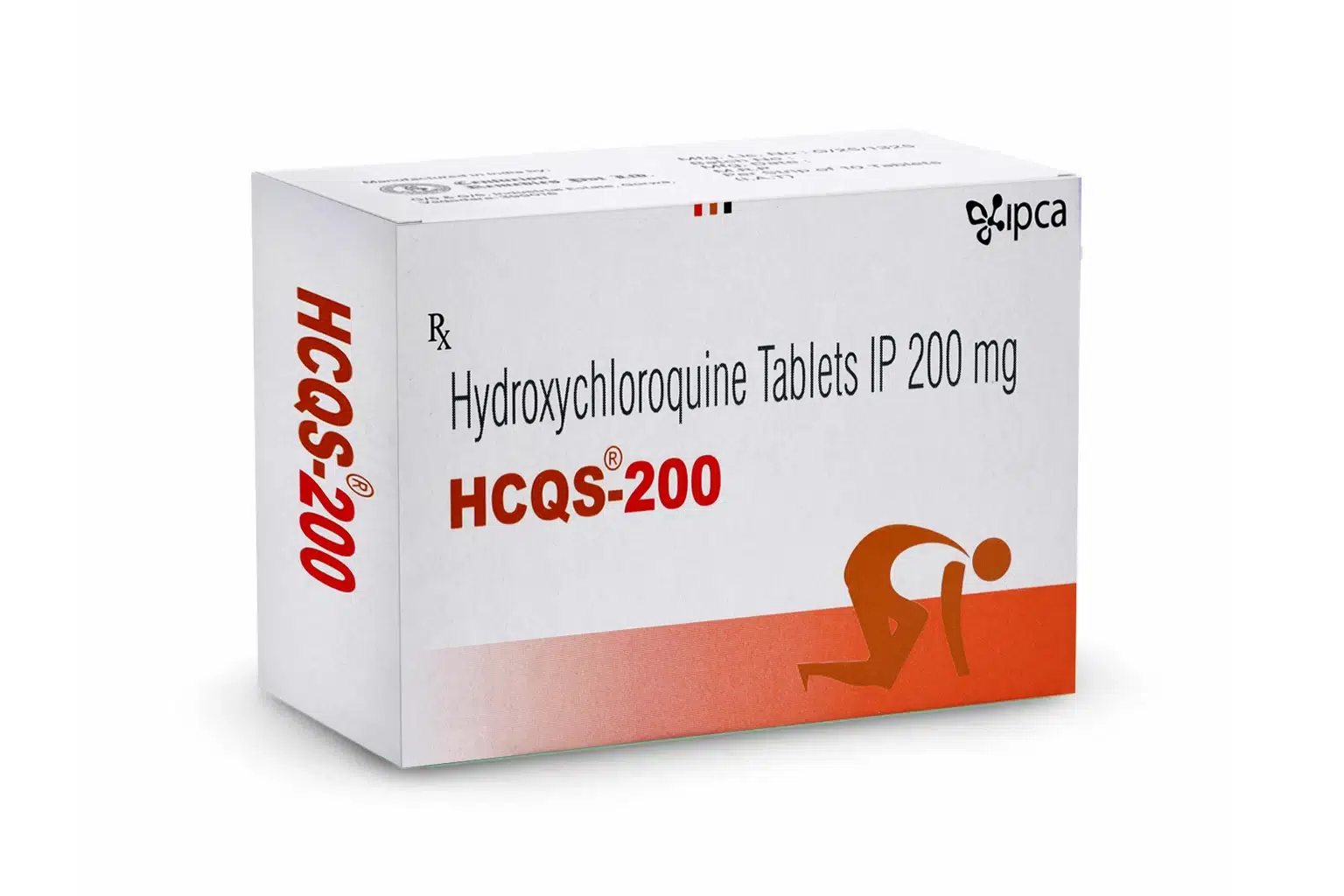
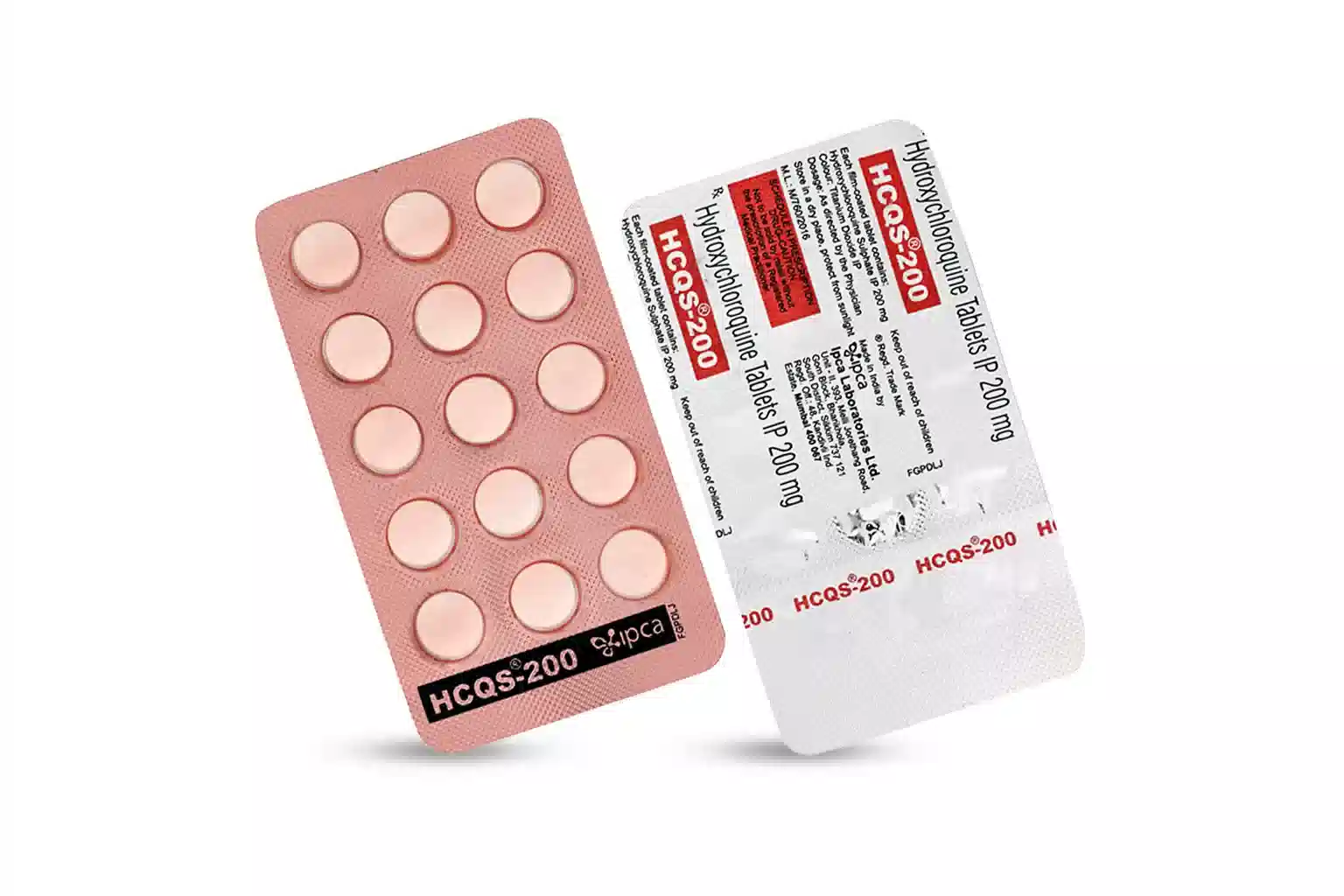
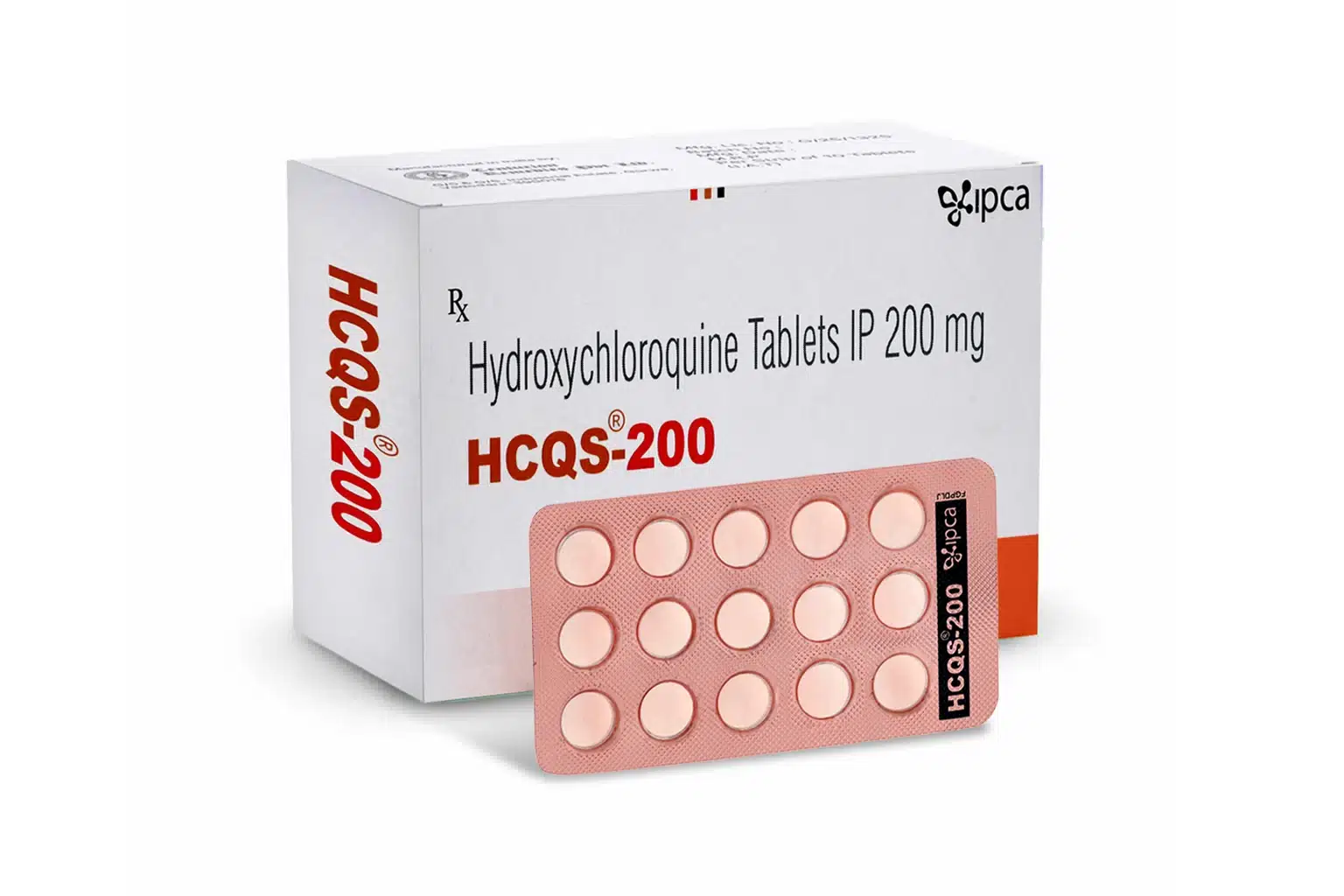

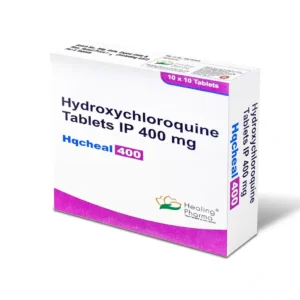
HCQS 200 mg contains hydroxychloroquine sulfate, a medicine commonly used to manage certain autoimmune conditions and, in some cases prevent or treat malaria. It is an oral tablet used in conditions where the immune system contributes to inflammation and tissue damage. In rheumatoid arthritis and lupus, it may support better symptom control over time and help reduce the need for some other anti-inflammatory medicines in selected patients.
Key Features
| About HCQS 200 mg |
|---|
| Drug Class: Anti-malarial and Disease-Modifying Anti-rheumatic Drug (DMARD) |
| Subclass: 4-aminoquinoline derivative |
| Product Details | |
|---|---|
| Composition | Active Ingredient: Hydroxychloroquine Sulfate Inactive Ingredients:
|
| Packaging Type | Strip Pack |
| Pack Size | 1 × 15 |
| Dosage | 200 mg |
| Shelf Life | Store at room temperature in a cool, dark, and dry place. Ensure the tablet strip remains intact and the tablets are not damaged. |
| Usages | Treats autoimmune diseases such as rheumatoid arthritis and systemic lupus erythematosus (lupus), and is also used to prevent and treat uncomplicated malaria. |
How does HCQS 200 mg work?
Hydroxychloroquine works in more than one way. In malaria it interferes with processes the malaria parasite needs to survive inside red blood cells.
In autoimmune conditions, HCQS 200 mg helps regulate an overactive immune response. It can reduce immune signalling and inflammation, which may help lessen joint stiffness, swelling, fatigue, rashes and flare frequency in some patients. The medicine does not cure autoimmune disease but it can be an important part of long-term disease management.
Usages
Take Hcqs 200 mg exactly as prescribed by your doctor. It is usually taken with food or milk to reduce stomach upset. Swallow the tablet whole with water unless your healthcare provider gives different instructions.
For best results in autoimmune conditions, take it regularly at about the same time each day. Do not stop treatment suddenly without consulting your doctor even if symptoms improve.
Dosage
The dosage of Hcqs 200 mg varies according to the condition, age, body weight and response to treatment. For long-term use doctors generally aim to keep the total daily hydroxychloroquine dose within safe weight-based limits to reduce the risk of eye-related toxicity.
- For rheumatoid arthritis or lupus, the medicine may be prescribed once or twice daily, depending on the total recommended dose.
- For malaria prevention or treatment, dosing follows a specific schedule decided by the doctor.
- Children require carefully calculated, weight-based dosing.
Do not double the dose if you miss one. Take the missed tablet when remembered unless it is nearly time for the next dose in that case, skip the missed dose and continue the normal schedule.
Side effects
Many people tolerate Hcqs 200 mg well but side effects can occur. Mild effects often improve as the body adjusts to treatment.
Common side effects may include:
- Nausea, vomiting, stomach pain, or diarrhea
- Loss of appetite
- Headache or dizziness
- Skin rash or itching
- Changes in skin or hair pigmentation
Seek medical advice promptly if you notice symptoms such as:
- Blurred vision, difficulty focusing, light flashes, or changes in colour vision
- Muscle weakness or unexplained fatigue
- Irregular heartbeat, palpitations, fainting, or severe dizziness
- Severe rash, facial swelling, or breathing difficulty
- Unusual bruising, persistent fever, or signs of infection
- Mood changes, confusion, or unusual behavior
Long-term treatment may rarely affect the retina of the eye. Regular eye examinations are important, particularly for people taking higher doses, using the medicine for several years or those with kidney disease.
Interactions
Some medicines have been reported to interact with HCQS 200 mg.
It has interactions with the following medicines:
- Thioridazine
- Aluminum Hydroxide/Magnesium Hydroxide
- Antidiabetic medicines
- Atorvastatin
This medicine also interacts with disease conditions like:
- Porphyria
- Oculotoxicity
- Blood Disorders
Pharmacokinetics
Hydroxychloroquine sulfate (HCQS) 200 mg is absorbed well after oral use and usually reaches its highest level in the blood within 3 to 4 hours. About 74% of the dose is available for the body to use. It spreads widely into body tissues, where it can remain for a long time. As a result, the medicine has a long half-life of around 40 to 50 days. Around 40% to 50% is removed from the body through the kidneys.
Precautions
Before taking Hcqs 200 mg inform your doctor if you have:
- Existing retinal disease, vision problems, or a history of macular disease
- Heart disease, a slow heartbeat, prolonged QT interval, or previous rhythm disturbances
- Kidney or liver disease
- Psoriasis or porphyria, as symptoms may worsen in some people
- Glucose-6-phosphate dehydrogenase (G6PD) deficiency
- Diabetes or a tendency toward low blood sugar
- A history of seizures, depression or other mental health concerns
Pregnancy and breastfeeding decisions should be made with a doctor. In some autoimmune conditions, hydroxychloroquine may be continued during pregnancy when the treating specialist considers the benefit greater than any potential risk. Never make changes to prescribed treatment without medical guidance.
Conclusion
HCQS 200 mg is a hydroxychloroquine tablet used mainly in the management of autoimmune disorders such as rheumatoid arthritis and lupus, as well as selected malaria-related indications. When taken under medical supervision it may help control inflammation and reduce disease activity over time. Regular follow-up, appropriate dosing and eye monitoring are essential parts of safe long-term use.
Reviews
There are no reviews yet.