


Threadworm Infections: How They Spread & Best Ways to Treat Them
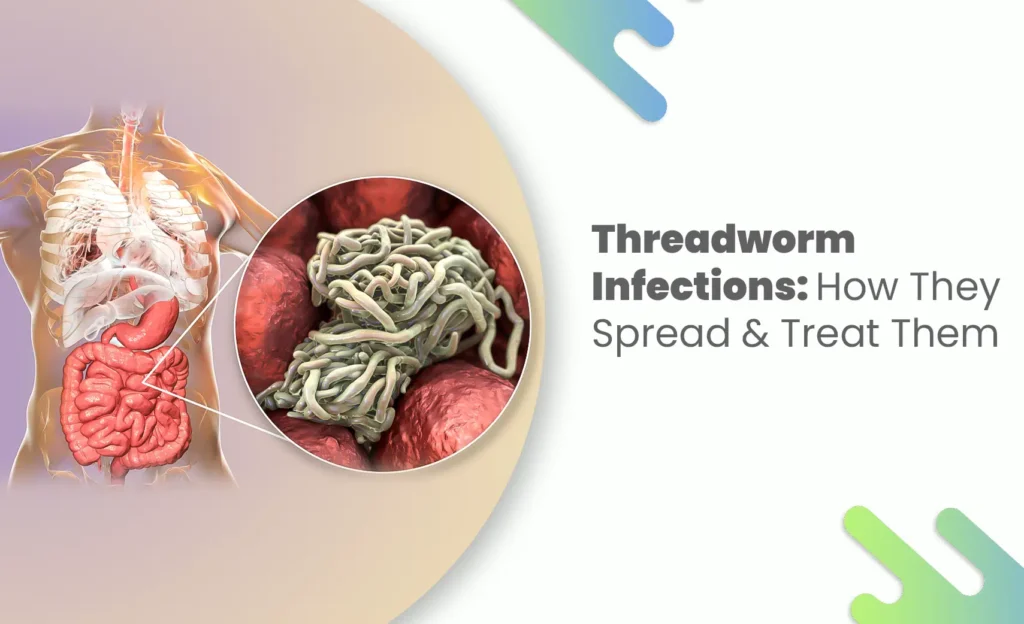
If you’ve ever experienced an odd, itchy sensation around your backside at night and wondered if something was… off, well, threadworms (also called pinworms) might be the sneaky culprits. And no, they’re not just a “kids-only” thing. Adults get them more often than they’d like to admit. I remember once interviewing a GP in London who told me, half-laughing, half-exasperated, “Honestly, threadworms are the silent pandemic of family households.”
And strangely, he wasn’t exaggerating.
Threadworm infections are one of those surprisingly common yet rarely talked-about issues, possibly because no one wants to admit they’ve hosted tiny white intruders in their gut. But here we are, talking about them openly because it matters. And more importantly, because they spread ridiculously easily.
Interestingly, the more you read about them, the more you realise how misunderstood they are. And probably how embarrassed people are to bring them up.
How Threadworms Spread (It’s Not as Simple as You Think)
If someone asked you how worms spread, you might picture dirty hands, contaminated food, unwashed vegetables… something dramatic. But threadworms? They play by their own rules.
Female threadworms sneak out of the anus at night, yes, literally, to lay microscopic eggs on the surrounding skin. This causes that annoying itch. The moment someone scratches, the eggs stick to the fingers. And poof, everything that person touches becomes a potential little egg-delivery vehicle: bedsheets, table surfaces, doorknobs, even phone screens.
Sounds weird, right?
But that’s why entire families get infected even if just one person shows symptoms. Kids spread it at school. Adults spread it in offices. And because the eggs can survive on surfaces for up to two weeks (yep, two whole weeks), an infection can keep going around like some never-ending pass-the-parcel.
I wrote earlier about how Common Household Habits That Spread Infections tend to go unnoticed, and threadworms fit neatly into that narrative, they thrive on our tiny slip-ups.
Here’s the thing: the infection cycle is ridiculously efficient. Threadworm eggs don’t just stay in your hands. They can float in the air if disturbed, settle on soft fabrics, or cling to food if hygiene slips even a little. That said, blaming yourself or your kids is pointless, this is one of those “it happens to everyone” things.

Symptoms Most People Ignore (or Misinterpret)
Most adults don’t realise they’re infected until the itch becomes impossible to ignore. But threadworms come with other subtle signs too, restless sleep, irritability, mild stomach pain, or even changes in appetite. Kids might show behavioural changes or scratch unconsciously.
You might be wondering: “Can threadworms affect other parts of the body?”
Not typically, but they do mimic other conditions. I discussed something similar in my blog How Parasitic Infections Mimic Other Illnesses, threadworms belong to that confusing category where the symptoms don’t always scream “worm infection.”
Some parents mistake their child’s nighttime discomfort for anxiety or overtiredness. Others assume it’s dermatitis or eczema. But actually? It’s often threadworms quietly running the show.
And honestly, once you know the signs, you can’t unsee them.
What Causes a Threadworm Outbreak in the First Place?
Short answer? Eggs. Long answer? Eggs everywhere.
We live in a world full of shared things, shared spaces, shared air, shared screens, shared habits. Kids have even more contact exposure because, well, they touch everything.
And even though we don’t like talking about it, oral-fecal transmission is incredibly common.
Before you cringe, just think about the last time you saw a child touch a playground slide, then their face, then grab a snack. It’s innocent, normal, human behaviour… and exactly how threadworms hop from person to person.
Yet, interestingly, adults get infected too, especially those in crowded workplaces or households. I once read a public health report that noted a sharp rise in threadworm infections among adults who had returned to office work after remote work periods. It makes sense. More contact = more transmission pathways.
If you’re curious about related infections, I’ve written about similar topics like Pinworms vs Threadworms: What’s the Difference? which might help clear up some confusion.
Best Ways to Treat Threadworms
To be honest, treating threadworm infections isn’t usually complicated. What is complicated is preventing reinfection. That’s where people usually slip up.
Medicines like Iverjohn 3mg are commonly discussed because they target the worms quickly, often relieving symptoms within days.
But here’s the thing, taking Iverjohn 3mg alone won’t magically stop the infection if you don’t break the egg-cycle. That’s the real battle.
Whenever people ask me what the “best method” is, I always explain that it’s two parts: medication + hygiene reset.
Medications like Iverjohn 3mg (which doctors often use in stubborn or recurring cases) help flush out the active worms. But the eggs? They don’t care about meds. They only care about whether you wash your hands, trim your nails, clean your sheets, and stop scratching at night.
I once covered similar ground in my earlier article How to Deal With Intestinal Worms? and threadworms fit the same narrative. Without hygiene habits, the cycle keeps restarting.
You might be wondering whether Iverjohn 3mg works immediately. Not exactly. It usually takes a dose, then another after two weeks, depending on medical advice. Basically, you’re disrupting the worm’s life cycle.
But don’t forget the basics. Washing clothes in hot water. Vacuuming carpets. Cleaning under fingernails. These tiny things matter more than people realise.
I also talked about reinfection in Can You Get Parasitic Infection Again From the Same Parasites? and threadworms are the perfect example of how that happens.
Hygiene Rules That Actually Matter (Even If They Feel Annoying)
Let’s be real, no one enjoys spending an entire day doing deep cleaning just because of tiny worms. But the truth is, it stops the infection faster than anything else.
Washing bedding every day for a week feels excessive, but threadworm eggs cling to fabrics like cling film.
Cutting nails short feels random, but it prevents eggs from building up under the nails.
Showering in the morning helps wash off the eggs laid overnight.
I’ve written about Hygiene Mistakes That Lead to Infections, and threadworms are textbook examples.
If you have kids, expect to repeat instructions a hundred times:
Don’t scratch.
Wash your hands.
Don’t bite your nails.
Don’t share towels.
Use separate bedding.
It’s not glamorous, but it works.
What About Natural Remedies?
Every time I write about parasites, someone brings up garlic, pumpkin seeds, papaya seeds, or herbal cleanses. And yeah, I covered natural concepts earlier in Top 5 Natural Antiparasitic Foods That Really Work, some foods help the gut, but they’re not a stand-alone cure for threadworms.
If you rely solely on food-based remedies without medication, you’re basically fighting a wildfire with a garden hose. You need actual medical treatment + the lifestyle resets.
For stubborn or recurring infections, doctors may consider medicines like Iverjohn 3mg, especially in adults who keep getting reinfected.
Threadworms in Adults vs Kids: A Surprising Difference
Kids show dramatic symptoms scratching, crying, restlessness.
Adults? We tend to downplay it.
Interestingly, many adults mistake threadworm symptoms for haemorrhoids, yeast infections, skin irritation, or stress-induced itching. I covered something similar earlier in Scabies vs. Eczema: Spotting the Difference, where misdiagnosis is extremely common.
But there’s a twist. Adults sometimes get reinfected more often because they forget the basics: hand hygiene, washing bedding, trimming nails. Kids do whatever parents tell them. Adults… not so much.
When to See a Doctor
If the itching becomes unbearable, you see blood, or the infection keeps coming back despite medication, a doctor’s appointment is necessary.
Sometimes infections overlap like bacterial infections from scratching, which is something I talked about in Common Household Habits That Spread Infections.
But the good news is: threadworms rarely cause serious complications. They’re annoying but manageable.
What matters most is not ignoring symptoms and not being embarrassed. Honestly, doctors see hundreds of cases every year. You’re not the first, and definitely not the last.
Final Thoughts: Why Threadworms Deserve More Attention
You might think threadworms are trivial. But they affect sleep, mental peace, hygiene habits, family dynamics, and even confidence. They spread like wildfire, and if you’ve ever had them, you know the emotional toll.
The best part? They’re treatable, manageable, and totally beatable.
Medications like Iverjohn 3mg help but only when combined with consistent hygiene practices. And if there’s one thing I want you to take away from this entire piece, it’s this: threadworms are not a “dirty” problem. They’re a human problem.
And the sooner we talk about them openly, the faster people feel empowered to treat them properly.
FAQs
1. Can threadworms go away on their own?
Not really. Threadworms won’t disappear without proper treatment. The adult worms might die eventually, but their eggs survive long enough to restart the whole infection cycle. You need medication plus good hygiene to actually clear it.
2. Why does the itching get worse at night?
It’s because female threadworms become active at night. They leave the anus to lay eggs on the surrounding skin, which creates that itchy, crawling feeling that’s hard to ignore. Morning showers help wash the eggs away.
3. Do all family members need to be treated?
Yes, ideally. Threadworm infections spread so easily that even the person who “seems fine” might already have the eggs. Treating everyone at the same time prevents the infection from bouncing back and forth.
4. Can pets give humans threadworms?
No. Dogs and cats don’t carry the type of worms that infect humans with threadworms. They have their own species of worms, but they don’t pass threadworms to people.
5. How quickly does treatment work?
Most people notice relief from itching within a few days after starting medication. But the full treatment plan usually takes about two weeks because a second dose is needed to break the worm lifecycle completely.