


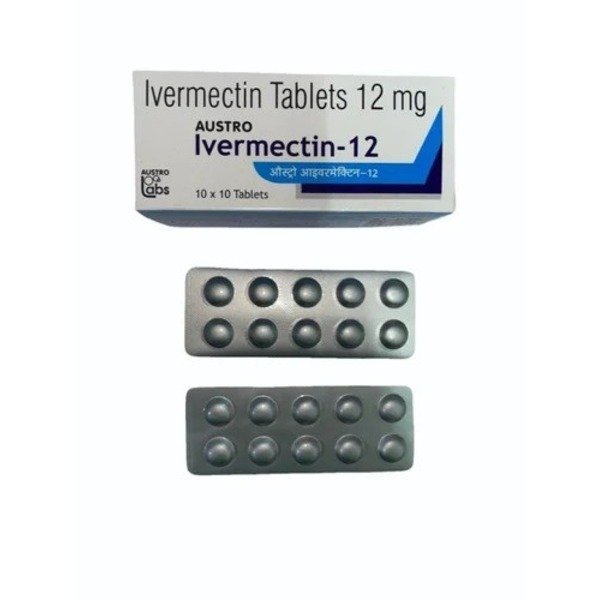
Austro 12 mg is a pharmaceutical drug formulated for the treatment of River blindness (Onchocerciasis), Strongyloidiasis, and Scabies. It contains active ingredient Ivermectin, that acts by binding to glutamate‑gated chloride channels within the nerve and muscle cells of parasites. This binding opens the ion channel, allowing an influx of chloride ions, which in turn hyper‑polarizes the cell membrane ultimately leads to paralysis and death of the parasite.
Key Features
| About Austro 12 mg |
|---|
| Drug Class: Anthelmintic (antiparasitic) |
| Subclass: Avermectin |
| Product Details | |
|---|---|
| Composition | Active ingredient: Ivermectin Inactive ingredients: • Microcrystalline cellulose • Magnesium stearate • Titanium dioxide • Hydroxypropyl cellulose • Hydroxypropyl methylcellulose (HPMC) |
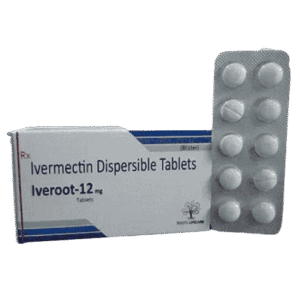
| Packaging Type | Blister |
| Pack Size | 10×10 |
| Dosage | 12 mg |
| Therapeutic Class | Antiparasitic agent |
| Action Class | Glutamate-gated chloride channel agonist |
| Chemical Class | Avermectin derivative |
| Manufacturer | Astron Research Ltd |
| Shelf Life | 2–3 years from the date of manufacturing |
| Usages | Treats parasitic infections such as River Blindness (Onchocerciasis), Strongyloidiasis, and Scabies. |
| Country of Origin | India |
| Storage | Store at room temperature (15–25°C), away from moisture and direct sunlight. |
How does Austro 12 mg work?
- Ivermectin acts by binding to glutamate‑gated chloride channels within the nerve and muscle cells of parasites. This binding opens the ion channel, allowing an influx of chloride ions, which in turn hyper‑polarizes the cell membrane ultimately leads to paralysis and death of the parasite.
- Selective toxicity: Mammalian cells lack GluCl channels (they’re only in the CNS of mammals, which ivermectin cannot cross readily), so the drug spares human cells while targeting worms and arthropods.
- Immune-boosting effect: In some infections, such as onchocerciasis, ivermectin has the added advantage of enhancing the host’s immune response to microfilariae, thus aiding in a more efficient clearance of the infection.
Uses
- Onchocerciasis (river blindness): 150 µg/kg single dose, repeated every 3-12 months.
- Strongyloidiasis- 200 µg/kg single dose.
- Scabies (off‑label): 200 µg/kg single dose, sometimes repeated after 2 weeks.
- Lymphatic filariasis (mass‑drug administration)-0.4 mg/kg yearly, often combined with albendazole.
- Cutaneous larva migrans, ascariasis -200 µg/kg single dose
Dosage
- 12 mg tablet single dose for 65–84 kg body weight approx. 150 µg/kg.
- Weight‑based dosing usual for strongyloidiasis, 200 µg/kg approx12 mg if weight 60‑kg
- On an empty stomach (≥ 1 hour before or ≥ 2 hours after a meal) with a full glass of water.
- Repeat dosing may be indicated in 3-12 months for onchocerciasis or based on response for scabies/strongyloidiasis.
Side effects
- Headache
- Dizziness
- Nausea
- Diarrhea
- Mild skin rash
- Muscle aches
- Fever
- Facial/ arm/ hand swelling
- Pain in the joints
Drug interactions
- Warfarin, Ivermectin can increase INR, closely monitor anticoagulation.
- Cyclosporine, ketoconazole, erythromycin, ritonavir P‑gp inhibitors that may increase ivermectin levels; use with caution.
- Barbiturates (e.g., phenobarbital), May decrease ivermectin efficacy.
- Benzodiazepines (e.g., clonazepam), No direct interaction but additive CNS depressant effect possible, avoid alcohol.
- Alcohol May increase dizziness/nausea; avoid during treatment.
Pharmacokinetics
- Absorption: Well absorbed orally, peak plasma 4 hours after dosing.
- Distribution: Widely distributed to liver and fat, protein binding approx. 93 %. Does not cross intact blood‑brain barrier in healthy humans limited CNS entry.
- Metabolism: Hepatic CYP3A4 oxidation [minor role]; primarily excreted unchanged in feces.
- Elimination half‑life: 18 hours (range 12–24 h) after a single oral dose.
- Excretion: Approx.80 % faecal (unchanged drug), < 1 % urine.
Precautions
- Inform your doctor or healthcare professional prior about your medical conditions like heart, kidney or Liver condition.
- Ivervid 3mg may interact with other medications, including warfarin, barbiturates, benzodiazepines, and anti-seizure drugs.
- Avoid alcohol while taking Ivervid 3mg tablet.
Conclusion
Austro 12 mg ivermectin 12 mg is a single‑dose antiparasitic tablet effective against onchocerciasis, strongyloidiasis, scabies and certain filarial infections. It works by paralyzing parasite nerve‑muscle cells via glutamate‑gated chloride channels, leading to worm death. Take on an empty stomach with water, repeat dosing may be needed depending on the infection. Proper dosage and precautions are necessary to minimize the side effects and ensure safety. It is recommended to consult a medical professional prior using medication.
FAQs
1. What is Austro 12 mg used for?
Austro 12 mg is a pharmaceutical drug formulated for the treatment of River blindness (Onchocerciasis), Strongyloidiasis, and Scabies.
2. How does Austro 12 mg work?
Austro 12 mg acts by binding to glutamate‑gated chloride channels within the nerve and muscle cells of parasites leads to paralysis and death of a parasite.
3. What can be the possible side effects of Austro 12 mg?
The possible side effects of Austro 12mg can be Headache, Dizziness, Nausea, Diarrhea, Mild skin rash, Muscle aches.
4. Is Austro 12mg safe for everyone?
Yes, Austro 12 mg is safe, but it is recommended to use only after consulting a medical professional or doctor.
References
| Austro 12mg | 30 Tablets $50, 50 Tablets $80, 100 Tablets $140, 300 Tablets $290 |
|---|
1 review for Austro 12 mg
You must be logged in to post a review.
Related products
-
IvermectinBuy now
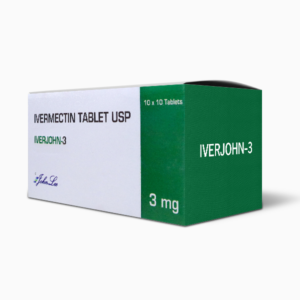
Iverjohn 3mg
Price range: $55.00 through $770.00 Shop Now This product has multiple variants. The options may be chosen on the product page -
IverjohnBuy now
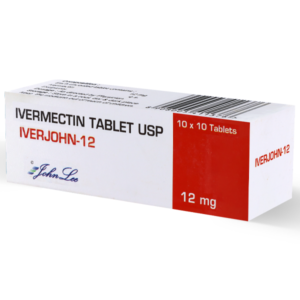
Iverjohn 12Mg
Price range: $42.00 through $800.00 Shop Now This product has multiple variants. The options may be chosen on the product page -
IvermectinBuy now
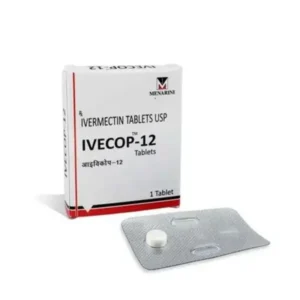
Ivecop 12
Price range: $50.00 through $290.00 Shop Now This product has multiple variants. The options may be chosen on the product page -
IvermectinBuy now
Iveroot 12mg
Price range: $36.00 through $240.00 Shop Now This product has multiple variants. The options may be chosen on the product page
Hailey Martinez –
Great first experience. Loved the quality. Support team is superb.