


Which Antibiotics Interact With Alcohol, Birth Control & Supplements? A Real-World Look at What Actually Happens
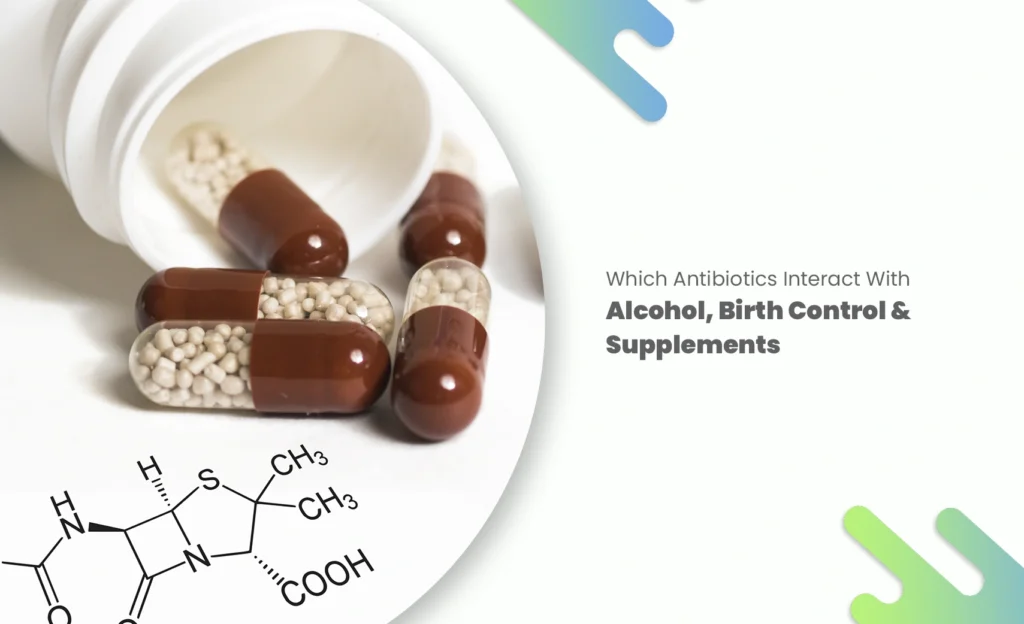
If there’s one topic that always feels messier than it should be, it’s this one: antibiotics and what you can or cannot mix with them.
Let’s be real, most of us have, at some point, Googled “can I drink antibiotics?” right before a weekend plan. Or wondered whether birth control becomes less reliable. Or maybe stared at a supplement bottle thinking, Hmm… is this safe while I’m on meds?
Interestingly, it’s not as simple as you think. Some antibiotics interact dramatically, while others barely acknowledge the presence of alcohol or supplements. And in between lies this weird, grey zone that doctors warn us about, because well, your body isn’t a chemistry set with neat little compartments. Everything overlaps.
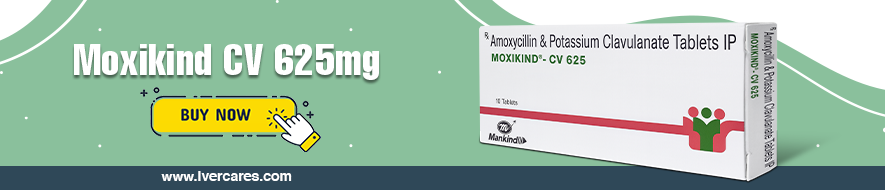
Today, I want to unpack this whole tangle as clearly (and realistically) as possible, while also touching on medications like Moxikind CV 625mg, which people often ask about in this context.
To be honest, even as someone who covers medical topics regularly, I still find myself double-checking interactions because small nuances can make all the difference.
First: Why Do Antibiotic Interactions Matter So Much?
Here’s the thing: antibiotics aren’t like painkillers or antacids. They’re targeted agents designed to kill or suppress bacteria. That means they rely heavily on metabolism, liver enzymes, gut flora, even the way your body absorbs nutrients.
Throw in alcohol or supplements, and suddenly the internal “equation” changes.
Doctors worry about three major issues:
- Reduced antibiotic effectiveness
- Increased chance of side effects
- Unexpected reactions (the kind you really don’t want on a night out)
And honestly? Some of these reactions sound weird, right? Like severe vomiting from just one glass of wine or birth control failure because gut bacteria were disrupted by meds.
But these things can happen, even if not with every antibiotic.
Alcohol and Antibiotics: The Interaction Everyone Wants To Ignore
You might be wondering: Is drinking really that bad while on antibiotics? People do it all the time…
That said, it depends heavily on the antibiotic.
The Dangerous Group: The Ones You Absolutely Shouldn’t Drink On
A few antibiotic classes cause a disulfiram-like reaction (basically, a violent “instant hangover from hell”):
- Metronidazole
- Tinidazole
- Cefotetan
Mixing alcohol with these can trigger:
- flushing
- pounding headaches
- nausea/vomiting
- chest tightness
- rapid heartbeat
Think of it like your body hitting the panic button.
The Moderate Group: Where Alcohol Makes Side Effects Worse
Even if the antibiotic doesn’t interact chemically, alcohol can amplify:
- dizziness
- stomach upset
- dehydration
- fatigue
And when your body is already fighting an infection, adding alcohol, essentially a toxin isn’t doing you any favors.
Where Does Moxikind CV 625mg Fit In?
Moxikind CV 625mg (an amoxicillin–clavulanic acid combo) does not cause the severe disulfiram reaction.
But still, drinking on it?
Not ideal.
Not because the two clash dramatically, but because:
- your gut might react worse
- your liver is busy handling both the drug and the alcohol
- alcohol weakens immune function just when you need it sharp
I’ve seen people insist, “I drank on Moxikind CV 625mg and I was fine.” Sure, some are. Others end up with a night of misery. Bodies differ. Infections differ. And honestly, why gamble when you’re trying to recover?
Do Antibiotics Affect Birth Control? Let’s Clear Up This Persistent Confusion
This question pops up constantly: “Will my birth control stop working because of antibiotics?”
Here’s the thing, despite decades of rumors, the majority of antibiotics do not reduce birth control effectiveness.
But there are exceptions, and understanding them can save a lot of panic.
The Real Problem Antibiotic: Rifampin
Rifampin and drugs in its family (used to treat tuberculosis and other tough infections) rev up liver enzymes so aggressively that hormonal birth control becomes less effective.
This means:
- Pills
- Patches
- Rings
- Implants
- Hormonal IUDs
…all may be impacted.
So yes, if you’re on rifampin, backup birth control is a must.
What About Moxikind CV 625mg?
There’s no strong clinical evidence that Moxikind CV 625mg interferes with birth control. Amoxicillin-based antibiotics were once suspected of causing reduced effectiveness, but modern studies haven’t confirmed it.
However, and this is where real-life nuance matters, severe vomiting or diarrhea caused by any antibiotic can reduce pill absorption.
So even if Moxikind CV 625mg doesn’t directly interact, your stomach’s reaction might.
I remember interviewing a gynecologist last year who said something that stuck with me:
“People worry about drug interactions, but sometimes the side effect—not the drug—is what messes up contraception.”
That line rings even truer the more I write about these topics.
How Supplements Get Into the Mix
Supplements seem harmless. They’re “natural,” after all. But nature doesn’t always play nice with antibiotics.
Interestingly, supplements can alter antibiotic performance in two major ways:
- Blocking absorption
- Overloading the liver or kidneys
Let’s break it down more casually.
Minerals: The Surprising Culprits
Calcium, magnesium, zinc, and iron bind to certain antibiotics in the stomach and prevent proper absorption.
This is especially true with:
- tetracyclines
- fluoroquinolones
Imagine spending money on antibiotics only for your multivitamin to escort them straight out of your system before they’re even absorbed. Not helpful.
Probiotics: Helpful but Timing Matters
Probiotics are great for balancing gut bacteria, especially after antibiotics. But taking them together?
Well… they might just cancel each other out.
If you’re using probiotics, spacing them a few hours away from antibiotics is usually smarter.
Herbal Supplements: The Wildcards
Some herbs speed up drug metabolism. Others slow it down.
St. John’s Wort, for example, is notorious for interacting with medications and reducing effectiveness.
And Again-Moxikind CV 625mg?
People often pair antibiotics like Moxikind CV 625mg with vitamin C, zinc, or herbal immunity boosters.
But to be honest, overloading supplements during an infection isn’t magically helpful. Sometimes it stresses digestion when you already feel rough.
Spacing them out or skipping non-essential supplements during treatment makes everything simpler for your body.
A Quick True-to-Life Scenario (Because We’ve All Been There)
Picture this:
You’re prescribed Moxikind CV 625mg for a sinus infection.
You take it twice daily.
You’re also on birth control, plus a couple of daily supplements.
Saturday rolls around, and you’ve got plans. A birthday dinner. Maybe two glasses of wine.
And suddenly you’re Googling at 6 PM:
- “Can I drink on Moxikind CV 625mg?”
- “Does my pill still work?”
- “Will my Vitamin C ruin the antibiotic?”
It spirals quickly.
I’ve seen it play out with friends too. The uncertainty becomes more stressful than the infection itself.
But once you understand the interactions not just rules but why they matter the picture becomes so much clearer.
And honestly, decision-making becomes much less dramatic.
Why These Interactions Feel More Confusing Than They Should
Part of the problem is mixed messaging. Healthcare providers say, “Avoid alcohol.” But then add, “Well, unless it’s amoxicillin, it probably won’t hurt…”
Pharmacists hand out leaflets that sometimes contradict what’s said verbally.
Combine that with internet myths, and you’ve got chaos.
And I get it. The last thing someone wants when they’re sick is an encyclopedia of pharmacology.
That’s why medicines like Moxikind CV 625mg often become the center of such confusion; they’re commonly prescribed, widely used in everyday infections, and people naturally want to know what they can safely combine them with.
Over the years, writing about these issues, I’ve noticed a pattern:
People aren’t asking for scientific jargon. They just want clarity. Real-world clarity.
So What’s the Safest Approach?
Let’s break it down in the most human way possible:
- If you’re on alcohol-reactive antibiotics (like metronidazole), avoid drinking. Seriously.
- If you’re on rifampin, use backup birth control.
- For others, including Moxikind CV 625mg moderate alcohol won’t blow up the interaction chart, but it might make your recovery slower or side effects worse.
- Supplements should be timed carefully, especially minerals.
- Herbal supplements? Double-check they can be sneaky.
- And if your stomach is upset, that can indirectly affect birth control absorption.
It’s not about fear, it’s about supporting your body while it heals.
A Few Final Thoughts (From Someone Who Writes About This A Lot)
I think we sometimes forget that antibiotics are powerful medications. They can save lives but only when used correctly.
Mixing substances like alcohol, supplements, and hormonal contraceptives may seem harmless individually, but your body manages them in overlapping pathways.
That’s why antibiotics like Moxikind CV 625mg get so many questions they’re part of everyday medicine, sitting at the intersection of real life and clinical science.
To be honest, I’ve learned over the years that small decisions make a big difference.
Spacing out supplements. Hydrating instead of drinking. Using backup birth control when in doubt.
These little choices make antibiotic courses smoother and more effective.
And if you ever feel uncertain? Your pharmacist is often the quickest, most underrated resource. They answer these questions a dozen times a day.
FAQs
1. Can I drink alcohol while taking antibiotics like Moxikind CV 625mg?
Short answer: You can, but you probably shouldn’t.
Unlike metronidazole or tinidazole, Moxikind CV 625mg doesn’t cause the scary disulfiram-like reaction with alcohol. That said, even a couple of drinks can make side effects like nausea, stomach upset, or dizziness feel worse. And honestly, your body already has enough going on fighting the infection. Why give it extra work?
2. Do antibiotics really make birth control stop working?
Most of them don’t. The only big troublemaker is rifampin, which ramps up liver enzymes and lowers hormone levels from the pill or patch. For antibiotics like Moxikind CV 625mg, the bigger issue is indirect: if the medication gives you vomiting or severe diarrhea, your pill might not get absorbed properly. So technically yes, but indirectly.
3. Can I take supplements like calcium, zinc, or vitamin C while on antibiotics?
You can but timing matters. Minerals like iron, zinc, and magnesium can bind to some antibiotics and block absorption. With Moxikind CV 625mg, this isn’t as dramatic, but heavy supplement use can still irritate your stomach. Most pharmacists recommend spacing supplements at least 2–3 hours away from your doses.
4. Is it safe to take probiotics with Moxikind CV 625mg?
Yes, but don’t take them at the exact same time. Probiotics are great for restoring gut bacteria (especially after broad-spectrum antibiotics), but swallowing them with the antibiotic kind of defeats the purpose. A good middle-ground is taking probiotics midway between antibiotic doses or continuing them a week after finishing the course.
5. What should I avoid completely while taking Moxikind CV 625mg?
A few things:
- Heavy alcohol (because it intensifies side effects)
- Skipping doses (this encourages antibiotic resistance)
- Random herbal supplements like St. John’s Wort unless you’ve checked for interactions
- High-fat meals right before dosing, which can sometimes slow absorption
Basically, keep it simple while your body heals. Hydrate, rest, and give the antibiotic a fair chance to do its job.