


Best Time of Day to Take Ivermectin for Maximum Effect
This question doesn’t usually start with confidence.
It starts with uncertainty.
Someone hears about ivermectin from a doctor, a pharmacist, or a conversation they didn’t expect to have. They read about it online. They notice people arguing about it. And somewhere in between all that noise, a practical question appears:
If someone is prescribed ivermectin… when is the best time of day to take it?
Not because they want to experiment.
But because they want it to work properly.
And because no one wants to do something wrong with a serious medication.
This blog isn’t about encouraging use. It’s about understanding timing, context, safety, and why questions like this should never be answered casually.
Why Timing Even Feels Important
Most medications come with instructions. Morning. Evening. With food. Without food. Before bed.
So it’s natural to wonder if ivermectin has a “best” time of day.
People assume:
- Morning means better absorption
- Night means fewer side effects
- Empty stomach means stronger effect
Some of these ideas come from other medications. Some come from habit. Some come from internet guesswork.
The truth is quieter, and more individual.
What Ivermectin Actually Does
Ivermectin is an antiparasitic medication. It was developed to target specific organisms, not to boost energy, immunity, or general wellness.
Its effectiveness depends on:
- Why it was prescribed
- The condition being treated
- Individual metabolism
- Medical supervision
This matters, because “maximum effect” doesn’t mean “stronger.” It means appropriate and safe.
Where Brand Names Like Iveroot 12mg Come In
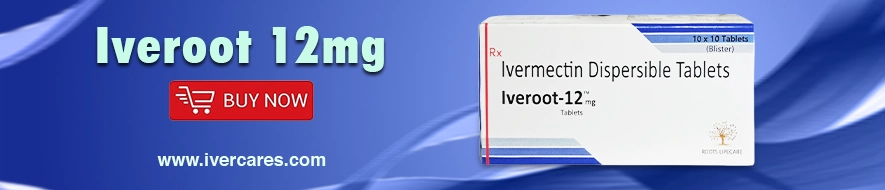
When people mention Iveroot 12mg, they’re usually referring to a branded formulation of ivermectin.
The brand name itself doesn’t change how the drug works in the body. What matters is:
- The active ingredient
- The prescribed dosage
- How the body processes it
Timing questions apply to ivermectin as a drug, not the brand label printed on the strip.
Morning vs Evening: Why There’s No Universal Answer
Here’s the part many people don’t like.
There is no single “best time of day” that applies to everyone.
Some people tolerate medications better in the morning. Others feel fewer side effects in the evening. Some are advised to take it with food. Others are told not to.
Doctors make these decisions based on:
- The condition being treated
- Digestive sensitivity
- Other medications being taken
- Patient routine
What works perfectly for one person may feel uncomfortable for another.
Why Food and Routine Matter More Than the Clock
For many medications, consistency matters more than the hour on the clock.
Taking a medication:
- At the same time each day
- In the same way (with or without food)
- Without skipping or doubling doses
…often matters more than whether it’s 9 AM or 9 PM.
This reduces fluctuations in how the body absorbs and processes the drug.
Side Effects and Timing: A Real Concern
One reason people ask about timing is side effects.
Some report:
- Mild dizziness
- Nausea
- Fatigue
These effects aren’t universal, but when they happen, timing becomes relevant. Someone who feels drowsy may prefer evening dosing. Someone who feels stomach upset may adjust around meals, under medical guidance.
This isn’t optimization. It’s comfort and safety.
The Dangerous Question People Don’t Ask Loudly
There’s another question hiding behind timing:
What if taking more makes it work better?
This leads directly to a serious topic.
What Happens If You Take Too Much Ivermectin
This is not a theoretical concern.
What Happens If You Take Too Much Ivermectin can range from uncomfortable to dangerous.
Possible outcomes include:
- Severe dizziness
- Nausea and vomiting
- Low blood pressure
- Confusion
- Neurological symptoms
More is not better. More is risk.
Ivermectin has a narrow line between therapeutic use and toxicity, especially when taken without supervision.
Why “Maximum Effect” Is the Wrong Phrase
The idea of “maximum effect” often comes from supplement culture.
Medication doesn’t work that way.
With prescription drugs, the goal is:
- Correct exposure
- Controlled effect
- Minimal side effects
Pushing beyond what’s prescribed doesn’t increase benefit, it increases harm.
The Role of Other Supplements and Immunity
Many people also ask about combining ivermectin with supplements.
That leads to questions about Immune Boosters That Are Safe with Ivermectin.
This is where caution becomes essential.
Some supplements can:
- Interfere with drug metabolism
- Increase side effects
- Add unnecessary strain on the liver
Not everything labeled “immune boosting” is harmless when combined with medication.
Immune Boosters That Are Safe with Ivermectin
There is no universal list that applies to everyone.
What’s considered safe depends on:
- Dosage
- Duration of ivermectin use
- Existing health conditions
- Other medications
This is why doctors and pharmacists matter. They look at interactions, not trends.
Self-combining supplements without guidance is one of the most common mistakes people make.
Why Online Advice Is Especially Risky Here
Ivermectin has been discussed far too casually online.
Timing advice, dosage suggestions, and “stacking” recommendations often come from people without medical training.
This is dangerous.
Medication isn’t like caffeine or vitamins. It affects neurological and systemic pathways that shouldn’t be experimented with.
What Doctors Usually Emphasize Instead
When ivermectin is prescribed, doctors focus on:
- Correct indication
- Exact dosage
- Duration of use
- Monitoring for side effects
They don’t usually emphasize “time of day” unless there’s a reason, such as minimizing side effects or coordinating with other medications.
That should tell us something.
Consistency Over Optimization
If there’s one concept that matters most, it’s consistency.
Taking medication exactly as prescribed, without improvisation, provides the best balance between effectiveness and safety.
The human body values predictability more than intensity.
Anxiety Around Medication Is Normal
Many people feel nervous taking ivermectin, not because of the drug itself, but because of conflicting information everywhere.
That anxiety often leads to:
- Overthinking timing
- Second-guessing instructions
- Searching endlessly for reassurance
Clarity doesn’t come from more Googling. It comes from professional guidance.
Questions You Should Actually Ask Your Doctor
Instead of asking:
“What’s the best time of day for maximum effect?”
Better questions are:
- Should I take this with food?
- What side effects should I watch for?
- Can I take this alongside my current supplements?
- What should I do if I miss a dose?
These questions protect you.
Final Thoughts: Safety Is the Real Optimization
There is no secret hour that unlocks ivermectin’s full power.
There is only:
- Correct use
- Proper supervision
- Respect for the medication
Whether someone is prescribed Iveroot 12mg or another formulation, the safest path is following instructions, not chasing optimization myths.
Understanding What Happens If You Take Too Much Ivermectin and being cautious with Immune Boosters That Are Safe with Ivermectin matters far more than timing alone.
Medication works best when it’s treated seriously.
And that, more than anything, leads to the best possible outcome.
Frequently Asked Questions (FAQs)
- Does taking ivermectin at the “wrong” time of day make it ineffective?
Not usually. For most people, consistency matters more than the exact hour. Taking it randomly or changing timing daily causes more issues than taking it morning or evening. If timing mattered critically, your doctor would specifically tell you.
- Can I take Iveroot 12mg before bed to avoid side effects?
Some people prefer evening dosing if they feel mild dizziness or fatigue, but this isn’t universal. Others feel better taking it earlier in the day. The safest approach is following medical advice rather than experimenting based on how others feel.
- Are immune supplements always safe with ivermectin?
No, and this surprises many people. Even natural supplements can interact with medications. When thinking about Immune Boosters That Are Safe with Ivermectin, it’s important to ask a doctor or pharmacist, especially if supplements affect the liver or metabolism.
- What should I do if I accidentally take more ivermectin than prescribed?
Don’t ignore it and don’t panic silently. What Happens If You Take Too Much Ivermectin can vary, but dizziness, nausea, or confusion should be taken seriously. Contact a healthcare provider or poison control immediately for guidance.
- Why does ivermectin cause so much confusion online?
Because it’s often discussed without context. People mix medical use, rumors, and personal opinions. This leads to misinformation about timing, dosage, and safety. The drug itself isn’t mysterious, the confusion comes from how casually it’s talked about online.