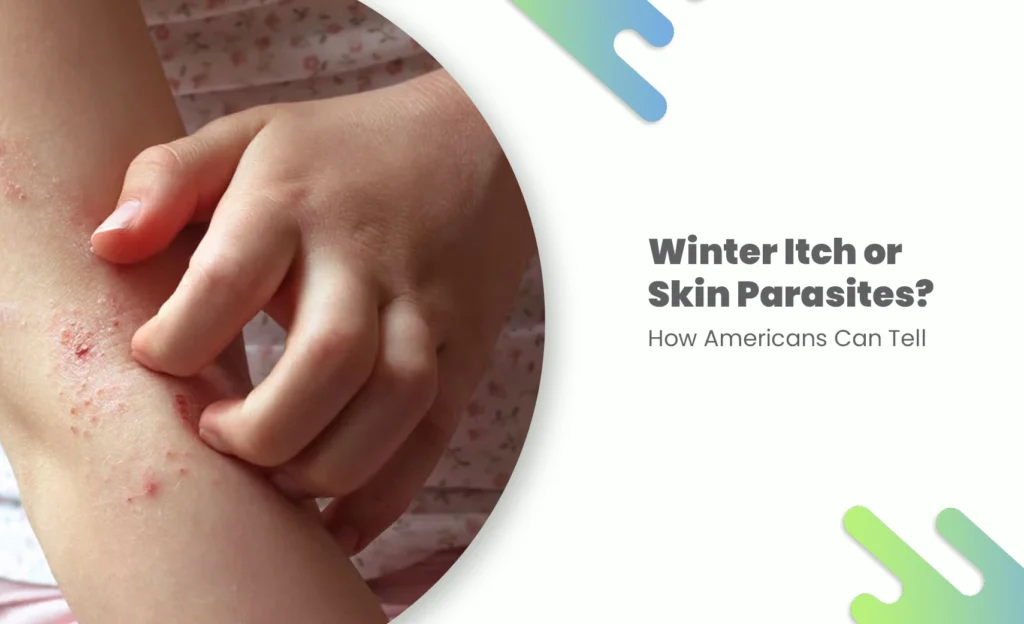
Every winter, almost like some weird seasonal ritual, a group of people end up battling skin infections again and again. Some get cracking hands that turn into painful wounds, some get staph flare-ups, others deal with fungal patches that just refuse to disappear.
Let’s be real, winter already feels heavy enough without your skin declaring war on you.
But here’s the thing: winter skin infections aren’t random.
They follow predictable patterns… once you know what to look for.
And interestingly, a lot of what I’ve seen over the years in reports, interviews, and even reader stories keeps pointing toward the same interconnected causes. Some of these are things I had explored in 7 Signs of Skin Infections You Should Not Ignore, especially the subtle early clues most people miss until the infection erupts.
So let’s unpack why winter turns our skin into easy prey.
Your Skin Barrier Gets Wrecked in Winter
Most people think “dry skin” is just dryness.
But to be honest, winter dryness is like sandpaper meeting your skin barrier.
Cold air outside.
Dry, heated air inside.
Moisture leaves your skin faster than a New Year’s resolution.

Those tiny micro-cracks you can’t see?
They’re the perfect entry points for bacteria like Staphylococcus aureus.
This is something I had explored earlier in Staph Infection Explained: Risks, Prevention & Recovery Tips, where even minor skin openings turned into big problems simply because bacteria found the perfect doorway.
Barriers break → microbes enter → infections follow.
The Immune System Dips – Quietly
You might be wondering, does winter actually weaken immunity?
Here’s the thing:
Winter indirectly affects immunity through behavior, not just temperature.
Less sunlight → lower vitamin D
More time indoors → more germs
Dry indoor air → weaker mucosal and skin defenses
It’s not as simple as you think; the immune system doesn’t “shut down,” but it becomes slightly less efficient. And the skin, being the body’s biggest shield, feels it first.
I’ve seen many people jump straight to treatments like Iversun 12Mg because they assume the repeated rashes are parasite-related. Sometimes they are. Sometimes they’re just barrier damage with bacterial overgrowth.
But winter makes everything look worse than it is.
Dry Skin Becomes Bacterial Real Estate
Once the skin gets dry enough, bacteria settle in like they’ve signed a lease.
Impetigo.
Cellulitis.
Folliculitis.
Fungal patches.
All of these spike in winter.
I remember breaking this down in Hygiene Mistakes That Lead to Infections, especially how seemingly harmless routines like reusing winter scarves accidentally create infection hotspots.
Dry skin + warmth + friction = perfect storm.
Winter Clothes Don’t Always Help
Sounds weird, right?
Clothes are supposed to protect you from winter.
But thick sweaters trap sweat.
Long sleeves rub constantly on already irritated skin.
Scarves hold moisture near the mouth (fungus loves that).
And because it’s cold, people tend to re-wear clothes far more often before washing them.
Which means bacteria build up, layer after layer.
This is something I had explored in Common Household Habits That Spread Infections, especially how winter fabrics quietly collect microbes.
Indoor Heating Is a Silent Skin Saboteur
Heaters dry the air, no big revelation.
But the hidden part? They pull moisture from your skin and change your skin’s pH.
When the skin becomes less acidic, bacteria multiply more easily.
That dryness also affects the nose, lips, eyelids and tiny cracks everywhere.
I covered a similar angle in 10 Reasons Why Your Face Is Red, where environmental triggers like heat and dryness caused redness that later turned into infection-prone patches.
Microbes Survive Longer in Winter Than People Think
Interestingly, winter doesn’t kill germs. It just sends them indoors with us.
Staph loves dry skin.
Fungi love warmth under layers.
Demodex mites love irritated skin.
And makeup tools?
Winter dryness makes the skin shed more flakes, and dirty brushes trap bacteria unbelievably fast.
This is something I had dived into in How to Clean Your Makeup Tools to Avoid Skin Mites, winter makes unclean brushes twice as risky.
No wonder infections repeat.
Not All Winter Skin Problems Are Infections… at First
A dry patch becomes cracked skin.
Cracked skin becomes inflamed.
Inflamed skin becomes the perfect bacterial doorway.
I explored this chain reaction in Remedies for Seasonal Skin Infection, especially how small irritations become full-blown infections when ignored.
Winter accelerates this entire pathway.
Face Touching Goes Up in Winter
Scarves itch.
Noses run.
Lips crack.
Dry skin flakes.
And without realizing it, people touch and scratch their face more in winter than any other season.
Every touch transfers bacteria.
Every scratch breaks the barrier.
It’s why some people assume a parasitic infection and end up discussing treatments like Iversun 12Mg with their doctors, even when the root cause is simple winter irritation.
The Winter Environment Is Half the Problem
Old blankets.
Closed windows.
Heater filters.
Reused scarves.
Unwashed beanies.
All these carry microbes.
I remember exploring this in Common Household Habits That Spread Infections, especially how winter habits unintentionally create “infection reservoirs” around the home.
Sometimes the skin isn’t the problem, the environment is.
Certain Chronic Conditions Flare in Winter
Eczema.
Psoriasis.
Keratosis pilaris.
Seborrheic dermatitis.
These conditions thrive in dry weather.
Once a flare begins, bacteria colonize easily.
And that colonization becomes an infection.
In severe or parasitic cases like mite-related flare-ups, dermatologists sometimes prescribe Ivermectin, though this is very case-specific.
A Real Story That Never Left Me
A woman once told me that every winter felt like a cycle of defeat:
- First dryness
• Then redness
• Then staph
• Then fungal patches
• Then irritation from over-treating
She thought she had weak immunity.
But it turned out to be:
Old heating system
Unwashed sweaters
Scarf friction
Overly hot showers
Never moisturizing at night
When she fixed her environment and changed a few habits, the infections stopped.
She was even initially prescribed Iversun 12Mg because her rash resembled mite infestation but the real issue was winter itself.
Genetics Play a Role Too
Not everyone reacts to winter the same way.
Some people genetically have:
- Lower natural skin oils
• Weaker skin barrier proteins
• Higher immune reactivity
• Increased susceptibility to bacteria
Winter just reveals these traits brutally.
Some cases do involve parasites or mites where treatments like Iversun 12Mg come into play under medical supervision but for most people, it’s simply barrier vulnerability.
The Infections Keep Coming Back Because The Barrier Never Fully Recovers
Here’s the painful truth:
Most people treat winter infections…
but they never repair the skin barrier that allowed them in.
So the moment winter returns,
the cycle resets.
I mentioned this in 7 Signs of Skin Infections You Should Not Ignore. Infections often come back not because they’re stronger, but because the skin gets weaker each year.
And yes, in cases where parasites worsen the situation, doctors may use Iversun 12Mg, but winter infections are rarely caused by a single source.
They’re multi-layered.
FAQs
1. Why do my skin infections disappear in summer but return in winter?
Winter lowers humidity and weakens the skin barrier, making it easier for bacteria or fungi to enter. Summer naturally hydrates the skin and boosts barrier strength.
2. Can clothing contribute to winter skin infections?
Yes, trapped sweat, friction, and re-worn layers create ideal environments for bacteria.
3. Does using a heater worsen skin infections?
Indirectly yes. Heaters dry out the air, which cracks the skin barrier.
4. Are winter skin infections contagious?
Some (like staph) can be, others depend on hygiene and environmental triggers.
5. Should I change my skincare routine for winter?
Absolutely. Winter skin needs heavier moisturizers, fewer hot showers, and consistent barrier repair.