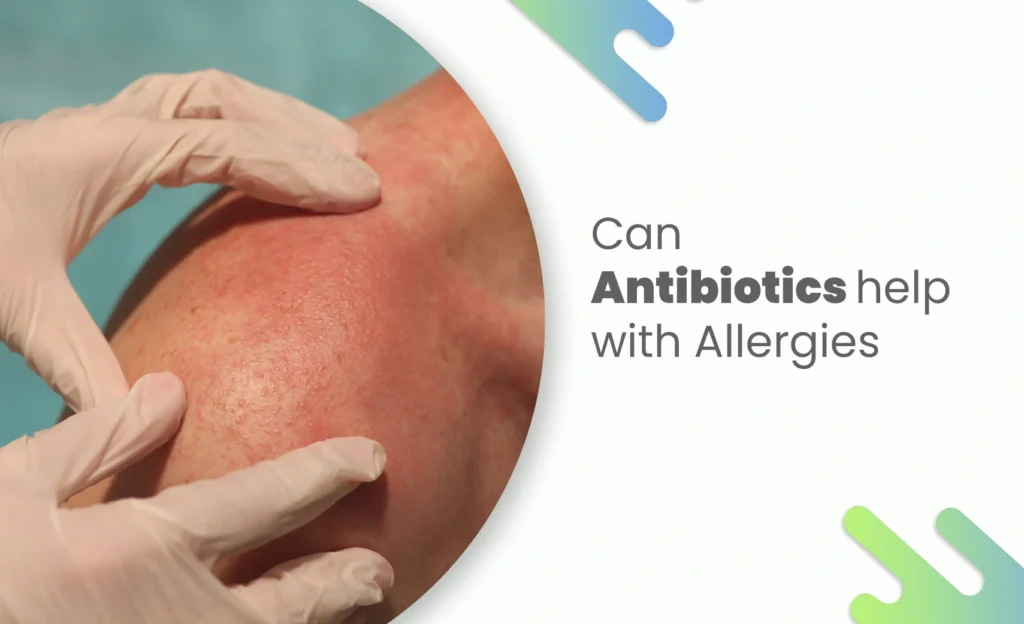
Allergies are annoying, unpredictable, and, let’s be real, sometimes completely exhausting.
Sneezing fits that come out of nowhere, itchy eyes that ruin your day, or that weird stuffy nose that never seems to clear up during spring. We’ve all been there.
But here’s something I keep hearing (and maybe you’ve heard it too): “My doctor gave me antibiotics for my allergies.”
And that raises a very valid question, can antibiotics actually help with allergies?
The short answer? Not really. But like most things in medicine, it’s not as simple as you think.
When People Confuse Allergies with Infections
Let’s start here, because this is where most of the misunderstanding begins.
When your nose is running and your throat is sore, it’s easy to assume it’s an infection. The symptoms overlap congestion, fatigue, maybe even a bit of a cough. And since antibiotics like Zylomox 500mg are often prescribed for infections, many people think they might help with allergy symptoms too.
Allergies and infections are two very different things.
Your immune system overreacts to things that aren’t dangerous, like pollen, pet dander, or dust, and treats them like they are. Your body’s defence system is going crazy.
When bacteria or viruses actually get into your body and make you sick, that’s an infection.
Antibiotics, like Zylomox 500mg, are made to kill bacteria, not allergens. So if your sneezing or watery eyes are due to pollen, antibiotics won’t do a thing.
That said, sometimes things get a little more complicated.
The Allergy-Infection Chain Reaction
This is where it gets interesting.
Allergies can make your nasal passages swollen and inflamed, trapping mucus and creating a perfect breeding ground for bacteria. And when bacteria move in, you’ve got yourself a sinus infection.
Now that’s when antibiotics like Zylomox 500mg may come into play, because at that point, it’s no longer just allergies. It’s an infection that developed because of allergies.
It’s a domino effect. Allergies → inflammation → mucus buildup → bacterial infection.
So technically, antibiotics can help some people who have allergies but only when a bacterial infection is part of the picture.
It’s a bit like calling a plumber because your pipes are clogged due to tree roots. The plumber fixes the water leak (the infection), but not the tree roots (the allergy).
Why Some Doctors Prescribe Antibiotics “Just in Case”
Let’s be honest, there’s also a long history of antibiotics being overprescribed.
You might visit your doctor for sinus pressure or a bad cough, and they hand you a prescription, saying, “Just in case it’s bacterial.”
The problem? Most of these upper respiratory issues are caused by viruses or allergies, not bacteria. And antibiotics like Zylomox 500mg don’t work on viruses either.
I actually remember one spring a few years back, I was sneezing nonstop, convinced I had a sinus infection. My doctor gave me antibiotics, but after a week… nothing changed.
Turns out it was seasonal allergies all along. Antihistamines fixed what antibiotics couldn’t.
And that’s a story I’ve heard from more than a few friends and readers. We often mistake persistent allergy symptoms for infections because they feel so similar.
What Happens When You Take Antibiotics Unnecessarily
Here’s where things get a little concerning.
Taking antibiotics when you don’t need them can be bad for you.
To begin with, it can mess with your gut microbiome, which is the good bacteria that helps you digest food and even your immune system. Antibiotics like Zylomox 500mg kill both bad and good bacteria. This can cause diarrhoea, yeast infections, and a weaker immune system over time.
And don’t forget the big one: antibiotic resistance.
Every time you use antibiotics when you don’t need to, bacteria get a little smarter. They learn to survive. And once they become resistant, those same antibiotics might not work when you really need them.
It’s a growing global issue that the World Health Organization has been warning about for years. The more we use antibiotics recklessly, the fewer options we’ll have to fight serious bacterial infections in the future.
So What Actually Helps with Allergies?
If antibiotics aren’t the answer, what is?
It depends on the kind of allergies you have and how severe they are, but there are several proven ways to manage them effectively without resorting to antibiotics.
For instance, antihistamines (like cetirizine or loratadine) can help block the body’s allergic response and reduce sneezing and itching.
Nasal corticosteroid sprays calm inflammation in your nasal passages.
And simple lifestyle changes like keeping windows closed during pollen season or using an air purifier can make a surprisingly big difference.
Interestingly, some people find relief with saline nasal rinses, which help clear allergens and mucus from nasal passages naturally.
Of course, in severe cases, allergy shots or immunotherapy may be recommended by an allergist.
But nowhere in the allergy treatment playbook do antibiotics like Zylomox 500mg appear unless there’s a clear bacterial infection involved.
The Role of the Immune System
Let’s zoom out a little and talk about what’s really going on inside your body.
When you’re exposed to an allergen, your immune system misfires and releases histamine, causing itching, swelling, and all the other classic allergy symptoms.
But antibiotics like Zylomox 500mg target bacteria by disrupting their cell walls using a completely different mechanism.
It’s like using a fire extinguisher to stop a snowstorm. Wrong tool, wrong target.
However, if allergies weaken your immune system enough that bacteria sneak in, antibiotics might be necessary temporarily. But they’re addressing the infection, not the root cause of your allergies.
That’s why allergists often emphasize prevention and immune regulation over reactive treatments.
Can Allergies and Infections Coexist?
Absolutely. And that’s where confusion really ramps up.
You can have allergic rhinitis (inflammation caused by allergens) and a sinus infection at the same time. One doesn’t cancel out the other.
In fact, studies show that people with chronic allergies are more likely to develop sinus infections because their nasal passages are constantly irritated.
In those cases, doctors might prescribe a mix of treatments an antihistamine or nasal spray for the allergy and an antibiotic like Zylomox 500mg for the infection.
So yes, antibiotics can be part of the solution, but they’re never the full solution.
Why Timing Matters
Another interesting layer to this is timing.
Most sinus infections start as viral infections (or allergic inflammation) and only become bacterial if symptoms persist for more than 10 days or worsen after initial improvement.
So if your “sinus infection” clears up within a week, antibiotics were probably unnecessary.
But if it drags on for weeks and you develop a fever or thick yellow-green mucus, that might be a sign bacteria have taken over and that’s when Zylomox 500mg might actually help.
That distinction, viral vs. bacterial, is crucial, but it’s something most people (and sometimes even healthcare providers) overlook.
Let’s Be Real: Self-Diagnosis Is Tricky
I’ll be honest, even for someone who writes about health for a living, telling the difference between an allergy flare-up and an infection isn’t always easy.
That’s why self-diagnosing and taking leftover antibiotics “just to be safe” is such a bad idea. You might be treating the wrong thing, delaying proper care, and contributing to antibiotic resistance in the process.
Instead, talk to your doctor. They can check for signs of bacterial infection like fever, localized pain, or pus formation and decide whether something like Zylomox 500mg is actually warranted.
Trust me, sometimes that 15-minute visit saves you weeks of unnecessary medication and frustration.
The Emotional Side of Chronic Allergies
If you’ve ever struggled with long-term allergies, you know it’s not just physical it’s emotional, too. Constant congestion can mess with your sleep, energy, and even your mood.
I remember interviewing a teacher once who said her allergies were so bad in spring that she’d wake up every morning feeling like she had the flu. “People thought I was contagious,” she laughed, “but it was just the pollen.”
She’d been prescribed antibiotics multiple times before realizing it wasn’t helping. Only after visiting an allergist did she finally get lasting relief.
Stories like hers remind me how important it is to get the right diagnosis, not just a quick prescription.
Final Thoughts: Don’t Let the Confusion Fool You
So, can antibiotics help with allergies?
In most cases, no.
But if allergies lead to a bacterial infection, then yes, something like Zylomox 500mg might be prescribed as part of the treatment.
Still, antibiotics aren’t a cure for allergies themselves. They don’t stop your immune system from reacting to pollen, pet dander, or dust mites. For that, you need proper allergy management antihistamines, nasal sprays, and lifestyle adjustments that actually target the root cause.
Here’s the takeaway: next time those sneezes hit and someone says, “Maybe you need antibiotics,” take a step back. It might not be that simple.
And to be honest, the smartest thing you can do is talk to a doctor who understands both infections and allergies because the line between the two can blur more than we think.
FAQs
- Can Zylomox 500mg treat allergies directly?
No, Zylomox 500mg can’t treat allergies because it’s an antibiotic meant for bacterial infections, not allergic reactions. Allergies are caused by your immune system overreacting to things like pollen or pet dander, not by bacteria. If you’re dealing with sneezing or itchy eyes, antihistamines and nasal sprays are usually the better options. - Why do doctors sometimes prescribe antibiotics for allergy symptoms?
That usually happens when allergies lead to secondary bacterial infections like a sinus infection. If your nasal passages get swollen and filled with mucus, bacteria can multiply there. In such cases, your doctor might prescribe Zylomox 500mg to clear the infection, but it’s not treating the allergy itself, just the infection that followed. - What are the risks of taking Zylomox 500mg if I don’t actually have an infection?
Taking antibiotics unnecessarily can disrupt your gut bacteria, cause side effects like diarrhea, and even lead to antibiotic resistance over time. Basically, you’re training bacteria to outsmart the drug. So, it’s always best to confirm with a healthcare provider before taking Zylomox 500mg for symptoms that might just be allergy-related. - How can I tell if I have allergies or a sinus infection?
Good question because they often feel the same! Allergies usually come with clear, watery mucus and itchy eyes, while sinus infections cause thicker, yellow-green discharge, face pain, and sometimes fever. If symptoms last more than 10 days or get worse, it could be bacterial and that’s when antibiotics like Zylomox 500mg may help. - What should I take instead of antibiotics for seasonal allergies?
For seasonal allergies, over-the-counter antihistamines (like cetirizine or loratadine), saline nasal rinses, and steroid sprays are much more effective than antibiotics. You can also try air purifiers or allergy-proof bedding to reduce exposure to triggers. Zylomox 500mg should only be used when your doctor confirms there’s a bacterial infection involved.