You know how sometimes you hear about a disease that sounds like it belongs in a medical textbook from another century? Echinococcosis is one of those. It’s rare, a little mysterious, and oddly overlooked considering how serious it can get.
Table of Contents
ToggleLet’s be real, most of us never think twice about parasites unless we travel somewhere exotic. But echinococcosis doesn’t always need a faraway jungle to show up. It can start on a farm, a backyard, or even from a dog you’ve known for years.
I first learned about it when interviewing a rural health worker who said, “People think it’s just stomach pain, until the scans come back.” That stuck with me.
So, what actually is this infection, and how is it treated? Let’s talk about it in plain English.
What on Earth Is Echinococcosis?
Alright, picture this: tiny tapeworms that live in the intestines of dogs or wild animals. Those worms release eggs that can contaminate soil, water, or vegetables. Humans, by accident, end up swallowing them. Gross, yes, but that’s how it begins.
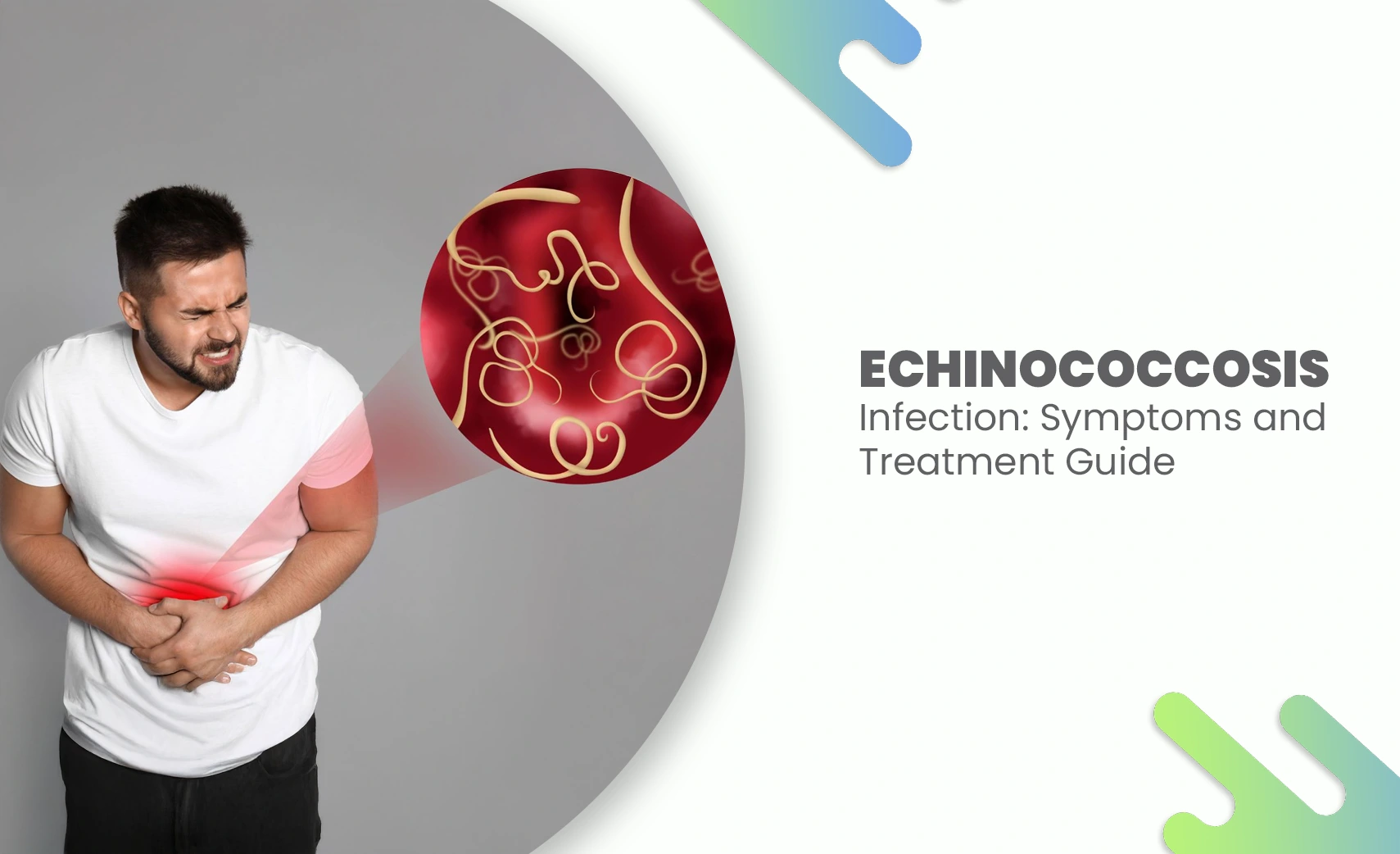
Inside the body, those eggs hatch into larvae that travel to your organs, usually the liver or lungs, where they form cysts. Slowly, quietly, they grow. That’s echinococcosis.
There are two main types: cystic and alveolar. The first grows like a balloon, the second behaves more like a creeping tumor. Either way, it’s not something you want hanging around.
You might be wondering why we don’t hear about it often. The truth is, it’s more common in areas where livestock farming happens, parts of South America, Africa, the Middle East, and even rural Europe. But with global travel, it’s not really a “foreign” disease anymore.
The Strange Thing About Symptoms
Here’s the thing about echinococcosis, it’s sneaky. For months, even years, it may not cause any obvious problems. Then one day, something feels off.
If the cysts are in the liver, you might feel bloated, nauseous, or experience dull pain on the right side of your belly. When they’re in the lungs, it’s more about coughing, chest pain, maybe even shortness of breath.
Sounds like a lot of other illnesses, right? That’s the trap. It hides behind everyday symptoms.
I once read about a farmer in Kazakhstan who went years thinking he just had recurring gastritis. Turned out, he had several large hydatid cysts. One had even ruptured, which can cause allergic shock. He was lucky to survive.
How Do Doctors Figure It Out?
Diagnosis can feel like detective work. Most cases are discovered through imaging ultrasound, CT scans, sometimes MRI. Blood tests can show antibodies, but they don’t always confirm things.
It’s not a quick “swab-and-done” kind of infection. Doctors have to look at the pattern, the cyst structure, and where it’s growing. Once confirmed, then comes the treatment plan, and that’s where Fensafe 222mg often becomes part of the conversation.
Treatment: Patience, Precision, and Pills
Treatment depends on how advanced the infection is. Some cysts are small enough to manage with antiparasitic medications alone. Others? Surgery might be the only way.
Fensafe 222mg is one of the drugs doctors use to stop the parasite from multiplying. It basically disrupts the tapeworm’s life cycle, keeping the cyst from expanding and helping your immune system do the rest.
It’s not an over-the-counter fix. Far from it. Patients usually need blood tests and scans while taking it, because antiparasitic meds can affect liver enzymes. That said, the results can be remarkable when used properly.
I came across a study from The Lancet Infectious Diseases that showed how early-stage patients treated with antiparasitic drugs like Fensafe 222mg often avoided surgery completely. That’s a huge win in areas with limited medical infrastructure.
To be honest, it’s one of those rare cases where the right pill, at the right time, can save someone from a major operation.
When Surgery Steps In
Of course, sometimes medication alone just isn’t enough. Large cysts, ruptured ones, or those pressing on vital organs usually need surgical removal. It’s delicate work, if the cyst bursts during surgery, it can spread the infection.
Surgeons have to remove or drain it very carefully. Afterwards, drugs like Fensafe 222mg are often prescribed for several weeks to clean up any remaining parasitic cells. Think of it as an insurance policy against recurrence.
There is also a newer method called PAIR, which stands for puncture, aspiration, injection, and reaspiration. It sounds complicated, but it’s minimally invasive and effective for certain types of cysts. It’s slowly replacing traditional surgery in many hospitals.
Can It Come Back?
Unfortunately, yes. If part of the cyst membrane or parasite survives, there is always a chance that the cyst will come back, even after successful treatment.
That’s why follow-up is non-negotiable. Patients usually need check-ups for years after treatment. Medications like Fensafe 222mg help reduce that risk, but vigilance is key.
One doctor I spoke with said, “You can cure the infection, but you can’t cure human forgetfulness.” Patients feel better and skip follow-ups, only to return years later with new cysts.
Prevention: The Unsung Hero
You know how they say prevention is better than cure? Nowhere does that ring truer than here.
The parasite’s cycle involves animals, soil, and food. So breaking that chain makes all the difference. Wash fruits and vegetables thoroughly, especially if grown near livestock. Deworm dogs regularly. Don’t let them feed on raw offal. And, honestly, hand hygiene, simple but powerful.
Interestingly, countries that introduced large-scale dog deworming programs saw echinococcosis cases drop dramatically. Just goes to show how intertwined human and animal health really are.
It’s not just a medical issue, it’s an ecological one too.
Living with Echinococcosis
Recovery can take time. Some people bounce back quickly; others struggle with fatigue or emotional stress. There’s something unnerving about knowing a parasite was living inside you.
A woman I read about in a WHO case report said she felt “betrayed by her own body.” She’d undergone surgery and was on Fensafe 222mg for months afterward. She’s fine now, but still checks her scans nervously. That emotional toll is real.
And here’s the kicker, many people in non-endemic regions are never even tested for it, which means some cases go undiagnosed until they’re advanced. It’s not as simple as saying, “It’s rare here.” Globalization means these infections travel just like we do.
Why Awareness Still Matters
Echinococcosis is labeled a neglected tropical disease by the WHO, and that phrase “neglected” says it all. It doesn’t get much attention, not in funding, not in the media. But it affects thousands quietly.
The availability of treatments like Fensafe 222mg is vital for controlling outbreaks, especially where advanced care isn’t accessible. Raising awareness, among farmers, travelers, veterinarians can literally save lives.
To be honest, the part that frustrates me is how treatable it is when caught early, yet so many people only find out when it’s too late.
Final Thoughts
Echinococcosis isn’t the kind of infection that makes headlines. It does not spread fast nor does it cause panic. It’s slow, subtle, almost polite in how it takes over. But that’s what makes it dangerous.
The good news? You can stop it and treat it. It can be controlled with good hygiene, proper animal care, and quick diagnosis. And if you catch it early, drugs like Fensafe 222mg can stop it before it gets dangerous.
So, next time someone brushes off “a little stomach pain,” maybe remember this story. Occasionally, a seemingly insignificant thing may be concealing something significant.
It’s not about being scared; it’s about being aware. And that’s what keeps us safe more than anything else.
FAQs
- How do people usually catch echinococcosis?
What most people do not realize is that how easy it can happen. The infection starts when someone accidentally swallows Echinococcus eggs, often from contaminated food, water, or contact with infected dogs. It’s more common in farming regions where livestock and dogs share close space. Washing your hands and vegetables properly really does make a difference, even if it sounds like overkill. - Can echinococcosis go away without treatment?
Sadly, no. The cysts caused by the parasite don’t just disappear on their own. They may grow very slowly, which tricks people into thinking things are fine. But eventually, they start pressing on organs. That’s when treatment is very important. It could involve surgery and medications such as Fensafe 222mg to inhibit the parasite’s growth and eradicate it. - What does Fensafe 222mg actually do?
In short, Fensafe 222mg stops the parasite from growing inside the body. It makes it harder for the worm to get nutrients and stops cysts from forming. Doctors often give this medicine to people as part of a longer treatment plan for their infection. - Are there any side effects of taking Fensafe 222mg?
Like any strong antiparasitic medication, Fensafe 222mg can have some side effects, mostly mild. A few people report nausea, fatigue, or temporary liver enzyme changes. That’s why it’s always taken under medical supervision with periodic blood tests. Most patients tolerate it well when the dosage is carefully managed. - How can I prevent this infection in the first place?
Honestly, prevention is simple, but it requires consistency. Wash hands before eating or handling food, deworm dogs regularly, and never let them eat raw animal organs. If you live or travel in rural areas, wash your fruits and vegetables well and only drink safe water. Those habits may seem simple, but they are what keep echinococcosis and other infections away.